
Poor sleep shouldn’t be an inevitable part of aging. For seniors, a well-chosen mattress can mean the difference between waking up in pain and starting the day with ease. As people age, their bodies change in ways that directly affect sleep quality, making the right mattress essential for health, safety, and comfort. This guide walks you through exactly how to choose a mattress for the elderly, covering the features that matter most for pain relief, mobility, and restful sleep.
You’ll learn which mattress types address common senior sleep challenges, what performance metrics matter most, and which specific models earn top marks from experts. Whether you’re shopping for yourself or helping a loved one, this article gives you the knowledge to make a confident, health-first decision.
Core Sleep Challenges Seniors Face
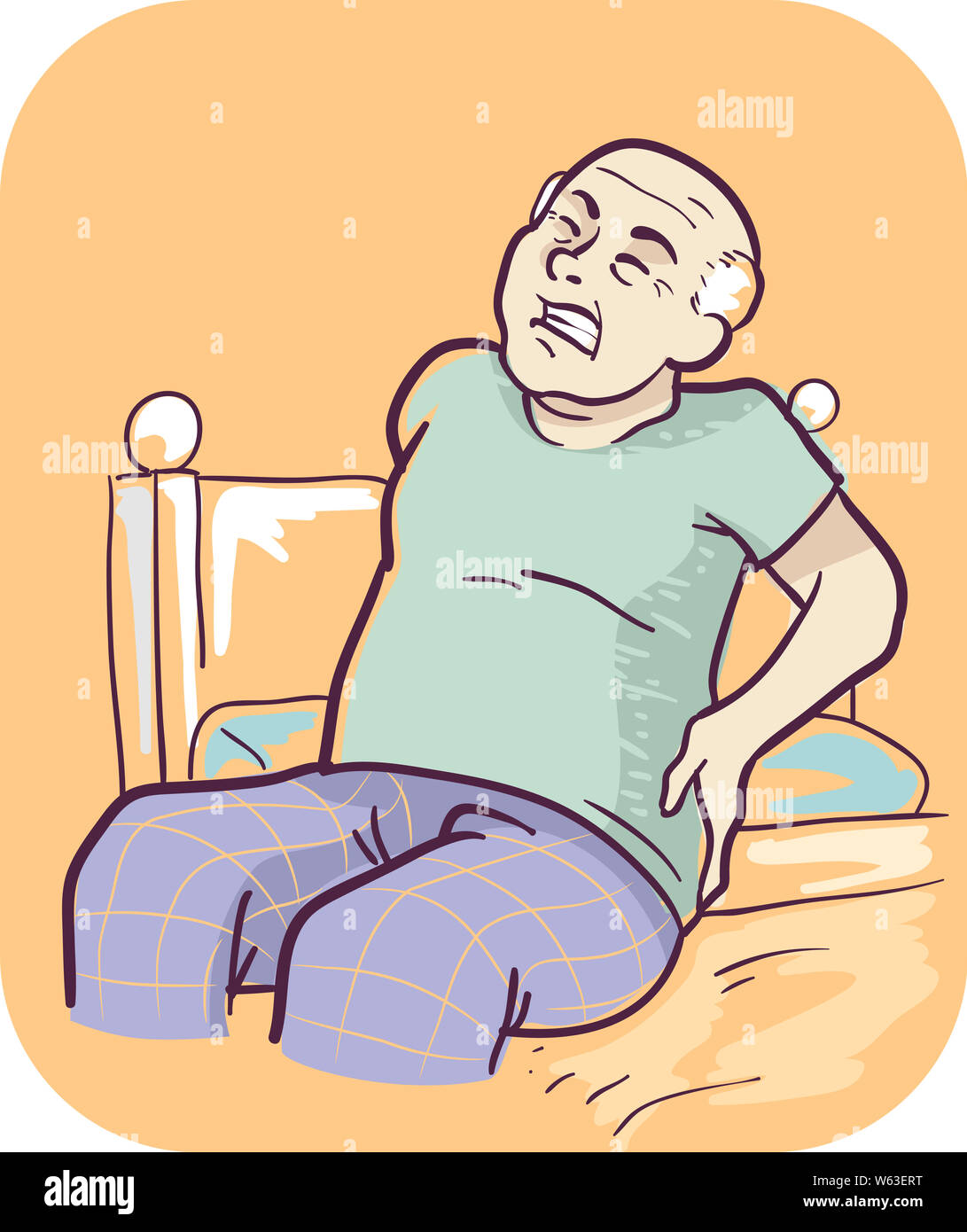
Aging brings physical changes that directly impact sleep quality. Understanding these challenges helps you prioritize the right features when shopping for a mattress.
Joint and Back Pain Management
Arthritis, spinal degeneration, and worn joints make mornings painful for many seniors. A poor mattress worsens stiffness by failing to cushion hips and shoulders or support the lower back. The ideal bed distributes weight evenly and maintains neutral spinal alignment, reducing strain on joints and muscles. Look for materials that conform to the body without sinking too deeply, which is especially important for side sleepers who need cushioning at the hips and shoulders.
Fall Risk and Mobility Considerations
Over 36 million falls occur annually among older adults, and bedroom environments contribute significantly to these incidents. Weak edges on a mattress increase fall risk during bed entry and exit. A stable perimeter allows safer sitting and standing, while a responsive surface helps users reposition with less effort. This matters greatly for those with limited strength or conditions like Parkinson’s that affect movement. When learning how to choose a mattress for elderly individuals, edge support and responsiveness should top your priority list.
Temperature Regulation Problems
Many seniors struggle with night sweats or cold sensitivity due to slower metabolism and certain medications. Foam-heavy mattresses can trap heat, disrupting sleep and causing frequent awakenings. Choose models with breathable covers, open-cell foams, or coil ventilation to maintain a neutral sleeping temperature. Natural materials like latex, wool, or Tencel enhance airflow and moisture control, helping seniors sleep more comfortably through the night.
Pressure Ulcer Prevention
Thinning skin and reduced fat padding increase the risk of pressure sores, especially in less mobile seniors. Prolonged pressure on the hips, tailbone, and heels restricts blood flow and can cause tissue breakdown. A mattress with excellent pressure distribution and low point-load stress helps prevent pressure ulcers. High-scoring pressure relief becomes non-negotiable for seniors at risk due to limited mobility.
Sleep Fragmentation Issues
Older adults experience less deep sleep and more nighttime awakenings than younger people. Partner movement, discomfort, or overheating can further disrupt rest. A mattress with strong motion isolation keeps disturbances minimal, supporting longer, more restorative sleep cycles. This feature proves especially valuable for couples where one partner moves frequently during sleep.
Key Mattress Performance Metrics to Evaluate
Not all mattresses perform equally for senior needs. Understanding these metrics helps you identify quality products that address elderly sleep requirements.
Pressure Relief Quality
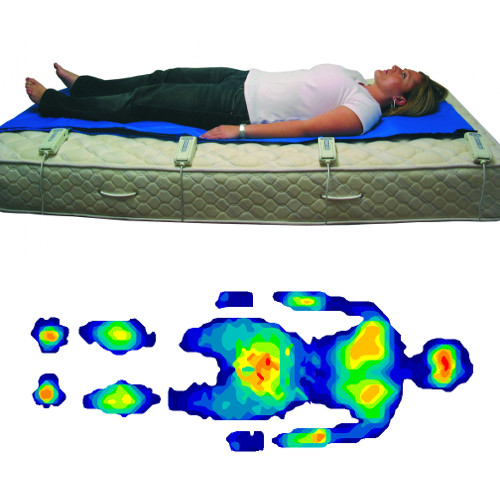
Even weight distribution prevents painful pressure points, especially at the hips and shoulders. This matters greatly for seniors with arthritis or those who spend extended time in bed. Testing uses electronic pressure mapping systems to measure peak pressure and contact area in side, back, and stomach positions. Mattresses scoring 4 out of 5 or better in these tests deliver the pressure relief seniors need. Memory foam, latex, and zoned hybrids consistently perform best in this category.
Edge Support Strength
Stable edges reduce fall risk and make getting in and out of bed easier. They also expand usable sleeping space, which benefits couples. Testing involves applying weighted plates of 200 to 250 pounds to the perimeter. Sinkage over 2 inches indicates poor edge support, while under 1 inch represents ideal performance. Reinforced perimeter coils, high-density foam, or steel encasement provide strong edges. Hybrid and latex models typically excel in this area.
Responsiveness Level
Seniors need to move easily during the night without feeling trapped in the mattress. Slow-responding foams can make rolling over difficult and tiring, increasing fall risk when getting up. Testing measures ease of repositioning through timed roll tests and motion sensors. Latex, innerspring, and hybrid models respond quickly, while traditional memory foam scores lower. Choosing a responsive mattress reduces fatigue and supports greater independence.
Cooling and Breathability
Overheating disrupts sleep and worsens night sweats, which seniors experience more due to impaired thermoregulation. Testing uses thermal imaging over 8-hour cycles and measures airflow through porosity testing. Surface temperatures within 2 degrees Fahrenheit of room temperature indicate good cooling performance. Latex, hybrid, and innerspring models breathe best. Look for Tencel covers, gel infusion, or phase-change materials for optimal temperature control.
Motion Isolation Effectiveness
For couples, motion isolation prevents one person’s movements from disturbing the other. This matters because seniors already experience fragmented sleep and need minimal disruptions. Testing uses accelerometers to detect movement transfer, with high performers absorbing over 90 percent of motion. Memory foam and pocketed coil hybrids lead in motion isolation, while traditional innersprings transfer more movement.
Durability and Longevity
Frequent mattress replacements are costly and stressful. A durable mattress maintains support and comfort for years. Testing simulates 10 or more years of use through robotic rollers and measures sagging after thousands of compression cycles. Less than 1.5 inches of sag after 7 to 10 years indicates good durability. Foam density of 3 pounds per cubic foot or higher and coils of 12 to 15 gauge suggest long-lasting construction.
Best Mattress Types for Elderly Sleepers
Each mattress type offers distinct benefits. Matching your specific needs to the right construction ensures better sleep outcomes.
Innerspring Mattresses
Innerspring mattresses use steel coils for support and typically feature thin comfort layers. They provide responsive surfaces that make movement easy, which benefits seniors with mobility limitations. The open coil structure promotes airflow and heat dissipation, ideal for seniors who sleep hot. These mattresses generally cost less than other options, making them budget-friendly.
However, basic innerspring models may lack sufficient pressure relief for seniors with joint pain. Motion transfer can disturb partners unless the model features pocketed coils. Edge support varies significantly among innerspring mattresses, so look for reinforced perimeter coils. These mattresses work best for seniors who sleep hot, prefer a bouncy feel, or have budget constraints.
Memory Foam Mattresses
Memory foam excels at pressure relief by conforming closely to the body, making it ideal for seniors with joint pain and arthritis. It absorbs movement effectively, minimizing disturbances from a sleeping partner. The contouring support helps maintain spinal alignment when properly selected.
Traditional memory foam traps heat, but newer models address this with gel infusions, open-cell structures, and phase-change materials. Some seniors report feeling stuck in traditional memory foam due to slow response times. Modern cooling-enhanced versions resolve many of these concerns. Memory foam works best for side sleepers, chronic pain sufferers, and couples where one partner moves frequently.
Hybrid Mattresses
Hybrid mattresses combine innerspring coils with thick foam or latex comfort layers, offering balanced performance. They provide both contouring from foam and structural support from coils. Reinforced coil edges create strong perimeters that resist sagging. The coil layer allows air circulation, reducing heat retention compared to all-foam beds.
Hybrids feel responsive yet supportive, making movement easier than with traditional memory foam. They tend to be heavier and more expensive than basic models. Quality varies widely, so look for high coil counts of 600 or more, pocketed coils, and quality foam layers. Hybrids suit most seniors, especially those seeking a compromise between support, comfort, and cooling.
Latex Mattresses
Latex mattresses offer exceptional durability, maintaining shape and support for 8 to 10 years or longer. The responsive, buoyant feel allows easy movement without the stuck sensation common with memory foam. Latex naturally resists heat buildup and provides excellent breathability. Its hypoallergenic and antimicrobial properties benefit allergy-prone seniors.
Latex feels firmer than memory foam, so side sleepers may need a softer topper for adequate hip and shoulder cushioning. Natural latex mattresses cost more, but the longevity often justifies the investment. Latex suits seniors who need durability, temperature regulation, and responsive support.
Adjustable Air Beds
Adjustable air beds use air chambers with customizable firmness controlled by a remote. This allows completely personalized comfort, ideal for couples with differing preferences. They work seamlessly with adjustable bases, enabling positioning that helps with reflux, snoring, and circulation.
Initial costs run higher, and potential issues include air leaks or pump noise over time. Not all air beds offer strong edge support. These mattresses work best for seniors with specific health conditions like acid reflux, snoring, or edema that benefit from elevated positioning.
Critical Features for Senior Comfort and Safety
Beyond mattress type, specific design elements significantly influence usability and safety for older adults.
Optimal Firmness Selection
The recommended firmness range for seniors is medium to medium-firm, rating 5 to 7 on a 10-point scale. A mattress too soft causes spinal misalignment and makes getting up difficult. One too firm increases pressure on joints, worsening pain. Research from Kovacs FM et al. found that medium-firm mattresses provided greater pain relief for chronic low back pain than very firm or very soft options.
Side sleepers typically prefer slightly softer mattresses, around 5 to 6.5, to cushion hips and shoulders. Back and stomach sleepers benefit from medium-firm support, 6 to 8, to prevent lower back sagging. Body weight also matters: seniors under 130 pounds often need softer surfaces, 130 to 230 pounds suit medium options, and those over 230 pounds typically need firmer support to prevent excessive sinkage.
Mattress Height and Accessibility
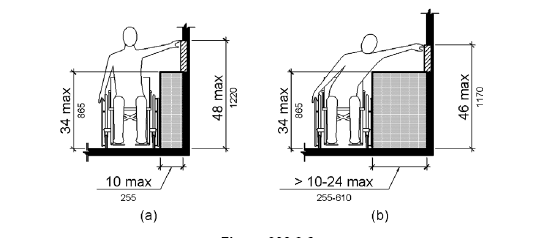
The ADA recommends bed heights of 20 to 23 inches from floor to mattress top. This allows feet to rest flat when seated, facilitating safe standing. Mattress thickness of 10 to 12 inches works well for most seniors. Thicker than 14 inches may be too high, especially for shorter individuals. Ultra-thin profiles under 8 inches can make exiting the bed difficult.
Adjust height using bed risers to raise low beds or choose low-profile foundations if the bed feels too tall. Consider hospital-style beds or adjustable bases for maximum customization. When selecting how to choose a mattress for elderly family members, factor in their specific height and mobility to ensure safe bed access.
Cooling Features That Actually Work
Look for breathable covers made from Tencel, cotton, bamboo, or wool. Gel-infused foams help dissipate heat, while open-cell foam structures enhance airflow. Phase-change materials absorb and release heat to regulate temperature. Coil-based designs naturally promote ventilation. Avoid solid foam blocks without airflow channels, as these trap heat most effectively.
Adjustable Base Compatibility
Adjustable bases offer significant benefits for seniors, including improved circulation from leg elevation, reduced snoring and sleep apnea symptoms from head elevation, and easier entry and exit in zero-gravity positions. Look for bases with programmable memory settings, under-bed lighting, massage functions, and remotes with large, easy-to-read buttons.
Most foam, latex, and hybrid mattresses work with adjustable bases. Avoid traditional innerspring unless specifically labeled as compatible. Ensure the mattress has flexible construction that bends without damage. When learning how to choose a mattress for elderly relatives with health concerns, consider whether an adjustable base would provide meaningful benefits.
Solutions for Senior Couples
Partners often have different sleep needs, which complicates mattress selection. Several solutions address these differences effectively.
Split King Configurations
A split king uses two twin XL mattresses on an adjustable base, allowing each partner to set independent firmness levels. This eliminates compromises on comfort and positioning. One partner can elevate while the other stays flat, perfect for couples with different health needs or sleep preferences.
Dual-Firmness Mattresses
Some manufacturers offer mattresses with different firmness levels on each side. This allows couples to choose their ideal surface without sharing the same feel. Dual-firmness options work with or without adjustable bases.
Zoned Support Systems
Advanced mattresses feature targeted support zones, with firmer support under the lumbar area and softer cushioning at the hips and shoulders. This improves spinal alignment for both partners simultaneously, addressing individual needs through intelligent design.
Top Mattress Picks for Seniors
Based on comprehensive testing and expert reviews, these models consistently perform well for elderly sleepers.
Helix Midnight Luxe
This hybrid mattress offers exceptional edge support through reinforced perimeter construction. The gel-infused foam and breathable Tencel cover provide effective cooling. It responds quickly enough for easy movement while delivering pressure relief for pain sufferers. The medium firmness, rated 6.5 out of 10, suits most sleep positions and body types. This model represents the best overall choice for most seniors learning how to choose a mattress for elderly family members.
Saatva Classic
This luxury hybrid features a dual coil system and euro pillow top for those seeking plush comfort with strong support. The eco-friendly materials appeal to environmentally conscious shoppers. It performs especially well for back sleepers who want luxury without sacrificing support.
Tempur-Adapt
As a memory foam option, this mattress excels in pressure relief for arthritis and chronic pain sufferers. The adaptive support contours to the body while maintaining spinal alignment. It suits seniors who prioritize pain relief over cooling performance.
Avocado Green Mattress
This latex hybrid uses organic materials and provides zoned support for excellent durability. The hypoallergenic construction benefits sensitive seniors, while the long lifespan justifies the higher initial investment.
Purple Mattress
The unique hyper-elastic polymer grid technology provides exceptional airflow and pressure relief simultaneously. It works particularly well for hot sleepers and those with sciatica or joint pain who need both cooling and cushioning.
Sleep Number 360 i8
This smart air bed offers dual chambers with independent firmness control and built-in sleep tracking. The auto-adjust feature responds to movement during the night. It suits couples with differing preferences and seniors who value personalized comfort settings.
WinkBed
This hybrid features four firmness options and zoned support throughout the mattress. Reinforced edges provide strong perimeter stability. It accommodates all sleep positions and offers excellent long-term durability.
When shopping, prioritize brands offering 100-night trials or longer and 10-year non-prorated warranties. Free returns and white-glove delivery services prove especially valuable for seniors.
How to Test and Choose the Right Mattress
Making an informed decision involves both research and hands-on evaluation.
In-Store Testing Guidelines
Spend at least 15 minutes on each mattress you’re considering. Lie in your preferred sleeping position rather than briefly sitting. Bring your own pillow to simulate real sleep conditions accurately. Check whether you feel pressure on hips, shoulders, or lower back. Test how easily you can roll over. Sit on the edges to assess stability. Note whether the surface feels too hot or too cold.
Evaluating Real-World Feedback
Prioritize reviews from verified purchasers with similar profiles. Look for feedback after 6 months or more of use to assess durability. Pay attention to comments about edge durability over time, changes in firmness, temperature regulation, and ease of movement. Reviews from other seniors provide the most relevant insights.
Understanding Expert Testing
Certified sleep science coaches and medical professionals contribute clinical insights into senior sleep needs. Expert testing panels include diverse body types and sleep positions. Performance is weighted by importance: pressure relief, edge support, and responsiveness receive highest priority, followed by cooling, motion isolation, and durability.
Maintenance and When to Replace
Proper care extends mattress lifespan, but eventually replacement becomes necessary.
Extending Mattress Life
Use a protective mattress protector to prevent stains, allergens, and premature wear. Rotate the mattress every 3 to 6 months if the manufacturer allows. Vacuum regularly and spot-clean spills immediately. Ensure the bed frame fully supports the perimeter to prevent edge collapse. A quality foundation or platform supports the mattress properly and maintains warranty validity.
Warranty and Trial Periods
Look for sleep trials of at least 100 nights to allow proper evaluation. Warranties should cover at least 10 years, with sagging defined as 1.5 inches or more. Ensure free returns and white-glove delivery are available, especially for heavy hybrid mattresses.
Signs It’s Time for Replacement
Replace mattresses every 7 to 10 years, or sooner if you wake with new or worsening pain. Visible sagging or permanent body impressions exceeding 1.5 inches indicate structural failure. If you sleep better elsewhere, your mattress no longer supports restful sleep. Noisy creaking sounds signal deteriorating coils. Even appearing fine, mattresses over 10 years have lost support and should be replaced.
Persistent pain or sleep disturbances may indicate underlying conditions. See a doctor if discomfort continues after mattress replacement, as issues like osteoarthritis or sleep apnea may require medical attention.
Frequently Asked Questions About Choosing a Mattress for the Elderly
What firmness level is best for seniors?
Medium to medium-firm, rated 5 to 7 on a firmness scale, works best for most seniors. Side sleepers may prefer slightly softer options around 5 to 6.5, while back and stomach sleepers typically need firmer support, 6 to 8. The right firmness depends on sleep position, body weight, and specific pain concerns.
How often should elderly individuals replace their mattress?
Most mattresses need replacement every 7 to 10 years. Seniors should replace sooner if they wake with new pain, notice visible sagging over 1.5 inches, sleep better elsewhere, or hear creaking sounds from deteriorating components.
What mattress features help prevent falls?
Strong edge support provides stable surfaces for sitting and standing. Responsive materials make repositioning easier during the night. Optimal bed height of 20 to 23 inches allows feet to touch the floor when seated. These features reduce fall risk during bed entry, exit, and movement during sleep.
Are memory foam mattresses safe for seniors?
Yes, modern memory foam mattresses work well for seniors, particularly those with joint pain. Look for gel-infused or open-cell versions that address the heat retention issues of traditional memory foam. Ensure the mattress feels responsive enough for easy movement, as some seniors report feeling stuck in slow-responding foams.
Do cooling features matter for elderly sleepers?
Absolutely. Many seniors experience night sweats or temperature regulation issues due to medications, metabolic changes, or health conditions. Cooling features like breathable covers, gel infusions, and coil-based construction prevent overheating and support continuous, restful sleep.
Should seniors use adjustable bases with their mattress?
Adjustable bases benefit seniors with reflux, snoring, circulation issues, or mobility limitations. The ability to elevate the head or legs provides meaningful health benefits. Most foam, latex, and hybrid mattresses work with adjustable bases, though traditional innersprings may not flex properly.
Key Takeaways for Finding the Perfect Mattress
Choosing how to choose a mattress for the elderly comes down to prioritizing safety, comfort, and health over aesthetics or price alone. The ideal mattress provides balanced support and pressure relief to alleviate joint and back pain, features strong edge support for safe bed access, offers responsive surfaces that facilitate easy movement, and promotes cool sleep through breathable materials. It should fit within the ADA-recommended bed height range, last 7 to 10 years with proper care, and work with an adjustable base if needed for specific health conditions.
Test mattresses in-store for at least 15 minutes in your actual sleep position. Prioritize edge support and responsiveness when comparing options. Choose medium to medium-firm unless your specific situation requires adjustment. Look for cooling materials if night sweats are a concern. Select models with 100-night trials and 10-year warranties to ensure satisfaction and protect your investment.
The Helix Midnight Luxe stands out as a top-performing option for most seniors, combining critical performance features with durability and comfort. However, individual needs vary, especially regarding health conditions, mobility limitations, and sleeping preferences. Use this guide to identify your priorities, test accordingly, and find a mattress that supports restful sleep and greater independence for years to come.