Choosing the right wheelchair for an elderly loved one can dramatically improve mobility, independence, and quality of life. With so many models, features, and financial options available, the decision can feel overwhelming. The key is matching the wheelchair to the individual’s physical abilities, daily routines, home environment, and long-term needs. This guide cuts through the confusion with clear, actionable advice, helping you select a wheelchair that supports safety, comfort, and dignity.
Assess Mobility Needs Before Shopping
Before browsing models, determine the level of support required. A healthcare professional like a doctor, physical therapist, or occupational therapist should evaluate strength, balance, coordination, and medical conditions such as arthritis, stroke recovery, or Parkinson’s disease.
Determine Usage Duration
Temporary needs such as post-surgery recovery often make renting a better option. Organizations like the Red Cross or local medical suppliers offer short-term loans. Long-term or permanent use calls for purchasing a durable, customizable model. Early investment in adjustability ensures the chair grows with changing needs.
Evaluate User Independence
Ask these key questions to guide your choice. Can the person propel themselves using upper body strength? Do they need caregiver assistance for movement? Are cognitive or vision issues present that might affect control? These answers determine whether you need a self-propelled, attendant-driven, or powered model.
Address Emotional Readiness
Many seniors resist wheelchairs due to stigma or fear of dependence. Involving them in the selection process fosters acceptance. Focus on benefits such as greater freedom, safer mobility, and easier participation in family outings or community events.
Manual vs. Powered Wheelchairs: Key Differences
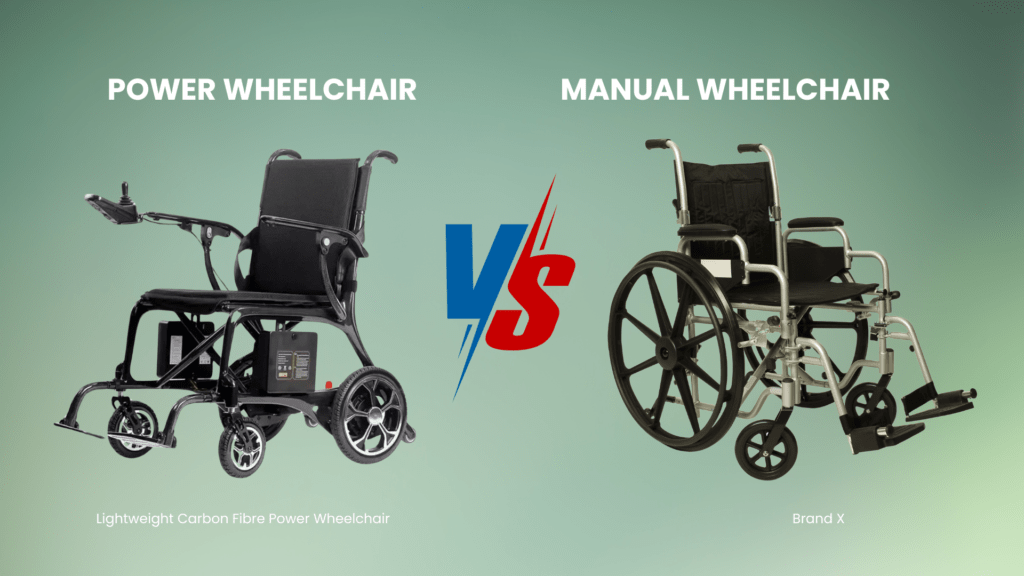
The two main categories serve different needs. Choosing the right type starts with understanding what the user can do independently.
When Manual Wheelchairs Work Best
Manual wheelchairs suit users with good arm and hand function. Self-propelled models feature large rear wheels with hand rims for independent movement. They include push handles for occasional caregiver help and are ideal for those who walk short distances with a cane but tire easily. Look for quick-release wheels to simplify car transport.
Transport wheelchairs are designed to be pushed by a caregiver. They are lighter and more compact than self-propelled chairs, but smaller wheels limit curb and uneven terrain use. These are perfect for doctor visits or shopping trips but not for daily independence.
Lightweight options made from aluminum or carbon fiber sometimes weigh under 20 pounds. Foldable frames fit in car trunks or airplane overhead bins. These prioritize portability over heavy-duty support, making them ideal as a backup chair.
Bariatric wheelchairs accommodate users up to 600 pounds or more. They feature wider seats, reinforced frames, and heavy-duty casters. Pressure-relieving cushions prevent sores, and these chairs offer stability for long-term, full-time use.
When Powered Wheelchairs Are Necessary
Electric models provide independence when pushing a manual chair is not possible. Indoor models are compact, lightweight, and highly maneuverable. They excel in homes, clinics, or stores but struggle on grass, gravel, or slopes. These often disassemble for vehicle transport and are classified as Class 2 mobility vehicles, allowed on pavements only.
Outdoor models feature larger wheels, strong suspension, and high ground clearance. They handle curbs, gravel, and hills with ease but may limit indoor navigation due to bulky design. These work best for active users spending significant time outside.
Hybrid indoor/outdoor models balance agility and terrain capability. They suit daily home use and community outings. Moderate size fits most doorways and elevators, making them ideal for seniors with dynamic lifestyles.
Choosing Drive Wheel Configuration
The motor’s wheel position affects handling and stability. Front-wheel drive offers superior traction over bumps and curbs and performs well on varied terrain. Mid-wheel drive provides the smallest turning radius, excelling in tight spaces and narrow hallways. Rear-wheel drive delivers better outdoor speed and rough terrain control but requires more space to turn.
Getting the Right Fit and Comfort
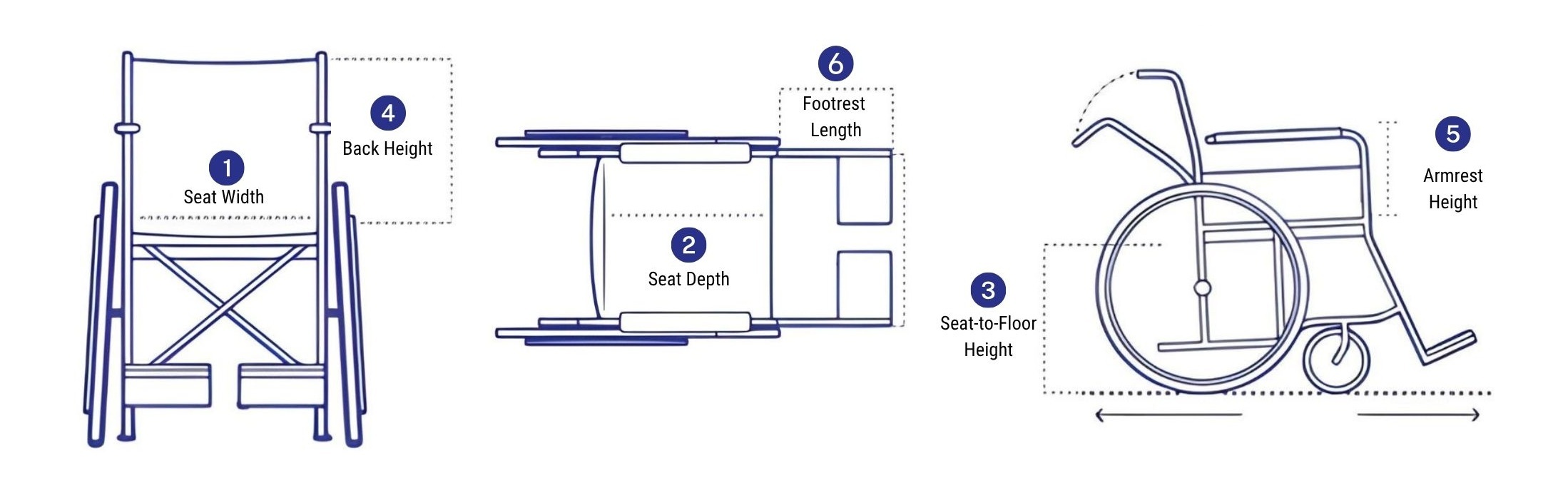
A poorly fitted wheelchair causes discomfort, pressure sores, and poor posture. Always prioritize adjustability and user-specific measurements.
Measuring for Correct Seat Size
Seat width requires measuring the hips and adding 1 to 2 inches for comfort. Seat depth measures from buttocks to back of knees, minus 1 to 2 inches. Seat height places feet flat on footrests with knees at 90 degrees. A seat too wide creates poor posture, while one too deep causes pressure behind the knees.
Customizing Key Components
Look for adjustable armrests that flip back or remove to aid transfers. Swing-away or elevating footrests improve circulation and leg comfort. Reclining backrests or tilt-in-space seats help redistribute pressure for full-time users. Elevating seats let users reach counters or maintain eye-level conversation.
Preventing Pressure Sores
This is essential for users sitting more than 2 hours daily. Use gel, air, or high-density foam cushions. Choose breathable, wipeable upholstery. Encourage regular weight shifts every 15 to 30 minutes to maintain skin health.
Matching the Wheelchair to Your Home Environment
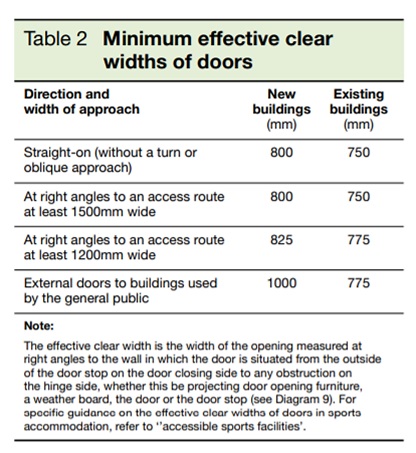
Even the best wheelchair fails if it does not suit the user’s surroundings. Evaluate the living space before purchasing.
Checking Doorways and Hallways
Measure doorways, aiming for a minimum of 32 inches clear width. Check hallway width and turning space, with a 5-foot diameter recommended. Narrow homes need narrow-width chairs, typically 16 to 18 inches wide. Consider ramps for stairs or thresholds.
Testing Real-World Navigation
Can the chair fit in the bathroom? Is there space to turn around near the bed or couch? Will it roll smoothly over carpet, tile, or thresholds? An occupational therapist can assess the home and recommend modifications like grab bars or roll-under sinks.
Planning for Transportation
Will the chair go in a car? Look for foldable or lightweight models. Need air travel? Choose airline-approved or disassemblable designs. Powered chairs may require a ramp or lift-equipped vehicle.
Prioritizing Safety Features
Safety features prevent accidents and boost confidence. Essential add-ons include push-to-lock brakes that are easy to engage and reduce rollaway risk. Anti-tip wheels prevent backward or forward tipping on slopes. Seat belts are especially important for users with weak trunk control. LED lights or reflectors improve visibility in low light.
Optimizing for Indoor Agility
A smaller footprint means easier navigation. Mid-wheel drive offers the tightest turn, ideal for small bathrooms. Front caster size affects bump absorption, with larger casters rolling over obstacles better.
Exploring Financial Options and Funding
Wheelchairs vary widely in price. Know your options to reduce out-of-pocket costs.
Understanding Price Ranges
Folding manual wheelchairs cost between $600 and $1,200. Lightweight manual models range from $800 to $2,000. Bariatric manual chairs cost $1,000 to $3,000 or more. Basic electric wheelchairs run $3,000 to $5,000, while advanced hybrid models reach $5,000 to $15,000 or higher.
Insurance and Government Programs
Medicare covers wheelchairs deemed medically necessary with a doctor’s prescription. It only pays for chairs used inside the home and may start with a rental before approving purchase. Medicaid varies by state and often covers powered wheelchairs with proper documentation. The NHS provides wheelchairs on loan after occupational therapy assessment, with some areas offering vouchers toward private purchase. The Motability Scheme in the UK allows individuals to exchange mobility allowance for a leased powered wheelchair including insurance and servicing.
Charities and Hire Services
The Red Cross offers short-term loans, often donation-based. Local Disabled Living Centres provide free trials and expert advice. Private hire companies deliver wheelchairs nationwide for holidays or recovery. National Trust, zoos, and gardens offer free day-use chairs if booked ahead. In the UK, privately purchased wheelchairs are VAT-free for chronically ill or disabled individuals.
Must-Have Accessories and Add-Ons
Customize the chair to enhance function and independence.
Essential Add-Ons
Under-seat or backpack storage carries medication, wallet, and phone. Cup holders prevent spills and improve convenience. USB chargers power phones or medical devices on the go. Walking cane holders keep mobility aids secure.
Specialized Upgrades
Pressure-relief cushions are critical for long sitting periods. Oxygen tank holders serve users on supplemental oxygen. Lap trays allow eating, writing, or using a tablet while seated. Power assist wheels attach to manual chairs to reduce pushing effort.
Battery Tips for Electric Models
Lithium-ion batteries are lighter, longer-lasting, and charge faster. Lead-acid batteries are cheaper but heavier with shorter lifespan. Charge overnight, and most batteries last 8 to 10 hours. Range varies from 10 to 20 miles per charge depending on terrain and user weight. Remove batteries indoors to charge safely.
Always Test Before You Buy
Never skip a trial. Real-world testing reveals what specifications cannot tell you.
How to Test Effectively
Visit a mobility center or book a home demo. Try multiple models, focusing on comfort, reach, and ease of use. Test indoors and out, navigating hallways, doorways, curbs, and pavement. Practice transfers, getting in and out of the chair. Check controls to ensure the joystick is sensitive and easy to reach.
Involve the User Fully
Let them decide. Confidence in operation increases daily use. Ask whether it feels stable, if they can reach the wheels or joystick easily, and whether it remains comfortable after 10 minutes.
Considering Alternatives When Appropriate
Not every senior needs a full wheelchair. Alternatives may offer better support.
Mobility scooters work well for outdoor use at malls and parks but are less maneuverable indoors. Rollators provide stability with built-in seat and basket, ideal for those who walk but tire quickly. Knee walkers suit lower-leg injuries but not balance issues. Standing wheelchairs let users shift to a standing position, improving circulation and social interaction, though they are expensive and require training.
Final Checklist for Choosing a Wheelchair
Before making your final decision, verify each item. Have a healthcare professional assessed the needs. Confirm the chair matches the mobility level, whether manual or powered. Ensure it is properly sized and adjustable. Test it in real environments. Verify it fits through doorways and transports easily. Check coverage by insurance, NHS, or Motability. Confirm the user accepts and prefers the chair.
Pro Tips for Long-Term Success
Schedule annual check-ups with an occupational therapist to reassess needs. Clean and inspect the chair monthly, checking tires, brakes, and bolts. Store indoors to protect from weather damage. Teach caregivers proper pushing and transfer techniques.
Frequently Asked Questions About Choosing a Wheelchair for Elderly
What is the most important factor when selecting a wheelchair for an elderly person?
The most important factor is matching the wheelchair to the user’s specific mobility needs. This includes assessing their upper body strength, balance, coordination, and typical daily activities. A healthcare professional should evaluate these factors to recommend manual or powered options.
Does Medicare cover wheelchairs for elderly users?
Yes, Medicare covers wheelchairs deemed medically necessary, but it requires a doctor’s prescription and only covers chairs for use inside the home. A face-to-face exam is required, and Medicare may start with a rental before approving a purchase.
How do I know if a manual or powered wheelchair is better?
Choose a manual wheelchair if the user has good arm and hand strength and can self-propel. Choose a powered wheelchair if the user lacks sufficient upper body strength, has limited endurance, or needs caregiver assistance for movement.
What features prevent pressure sores in wheelchair users?
Pressure-relieving cushions made from gel, air, or high-density foam are essential. Breathable, wipeable upholstery helps maintain skin health. Regular weight shifts every 15 to 30 minutes and reclining or tilt-in-space features also prevent pressure sores.
Can I get a wheelchair for temporary use only?
Yes, temporary needs such as post-surgery recovery are often best served by renting. The Red Cross and local medical suppliers offer short-term loans. This approach is more cost-effective for short-term needs.
How do I ensure the wheelchair fits through my doorways?
Measure doorways, aiming for at least 32 inches of clear width. If doorways are narrower, look for narrow-width chairs typically 16 to 18 inches wide. An occupational therapist can assess your home and recommend appropriate models or modifications.
Key Takeaways for Selecting the Right Wheelchair
Choosing a wheelchair for an elderly loved one requires careful assessment of mobility needs, physical capabilities, and living environment. The right chair balances independence with safety, comfort with practicality, and initial cost with long-term value. Always involve the user in the decision-making process to ensure acceptance and consistent use. Consult healthcare professionals for assessments, test multiple models in real environments, and explore all financial options including insurance, NHS programs, or charities to reduce out-of-pocket expenses. With the right approach, selecting a wheelchair becomes an empowering step toward greater freedom and quality of life for your loved one.