
Low blood pressure in the elderly is more than just a number on a monitor. When readings drop below 90/60 mmHg, seniors often experience dizziness, confusion, and fainting episodes that dramatically increase fall risk and injury. In fact, even a sudden drop of 20 mmHg in systolic pressure can impair balance and lead to dangerous falls. Understanding how to raise BP in elderly individuals safely is essential for maintaining independence and preventing serious complications.
This guide provides evidence-based strategies to raise blood pressure quickly during acute episodes, dietary approaches for long-term stability, and clear guidance on when medical intervention becomes necessary. Whether managing orthostatic hypotension, post-meal blood pressure drops, or medication-related lows, these methods are specifically tailored for aging bodies.
Immediate Actions to Raise Blood Pressure in Seniors

When an elderly person feels lightheaded or weak, quick intervention can prevent falls and restore circulation within minutes.
Lie Down with Legs Elevated
Elevating the legs above heart level improves venous return, pushing blood back to the heart and increasing cardiac output. This simple maneuver can raise systolic blood pressure within minutes.
To perform this correctly, have the person lie flat on their back and raise the legs 30 to 45 degrees using pillows or by resting them against a wall. Stay in this position for 5 to 10 minutes until dizziness subsides. If lying down is not possible, sitting with legs crossed while leaning forward slightly can provide similar gravitational redistribution benefits.
Standing up quickly after feeling dizzy is a common mistake that worsens orthostatic hypotension. Always wait until symptoms fully resolve before attempting to stand.
Drink Water Immediately
Consuming 16 to 24 ounces of water (500 to 750 mL) can elevate blood pressure within 5 to 30 minutes by increasing blood volume. This fast fluid fix works because blood is approximately 83% water, and dehydration directly reduces plasma volume.
Older adults often have blunted thirst signals, making chronic dehydration surprisingly common even when they appear to be drinking normally. Keep water within reach at all times and consider using a marked bottle to track daily intake. Adding lemon or cucumber can make plain water more appealing.
Aim for 2 liters (8 to 10 cups) of water daily unless restricted due to heart or kidney conditions. Increase intake during hot weather or physical activity.
Perform Muscle Tensing Maneuvers
Isometric exercises act as a skeletal muscle pump, pushing blood back to the heart during moments when standing causes dizziness. These techniques are especially effective for neurogenic orthostatic hypotension common in Parkinson’s disease or diabetes.
For hand grip exercises, squeeze a stress ball or tightly clench a fist for 30 to 60 seconds, then release slowly. Repeat 2 to 3 times. This method can raise systolic blood pressure by 10 to 15 mmHg within 1 to 2 minutes.
For leg and core tensing, while seated or standing, cross the legs and tighten the thigh, gluteal, and abdominal muscles. Hold for 30 seconds, then relax. Perform this maneuver before standing up from bed or a chair to prevent postural drops.
Put On Compression Stockings
Graduated compression socks (15 to 30 mmHg) reduce blood pooling in the legs, improving circulation and raising standing blood pressure by up to 10 to 20 mmHg. These garments apply gentle pressure from ankle upward, preventing venous stasis during prolonged sitting or standing.
Put compression socks on first thing in the morning, before getting out of bed. Wear them during daytime hours and remove them at night. Choose knee-highs unless otherwise prescribed. This non-drug approach has no side effects and is safe for long-term use, while also lowering fall risk.
Consume Caffeine Quickly
Caffeine causes transient vasoconstriction and increases heart rate, both of which raise blood pressure temporarily. Effective sources include coffee (80 to 100 mg caffeine per 8 ounces), black tea (30 to 60 mg per cup), or green tea for a milder effect.
Blood pressure typically rises within 15 to 30 minutes and effects last 3 to 6 hours. The best timing is morning to combat naturally low morning blood pressure, or before walking or standing for extended periods.
Be aware that habitual coffee drinkers may develop tolerance, reducing effectiveness. Avoid late-day consumption to prevent insomnia.
Move to a Cooler Environment
Heat dilates blood vessels and shunts blood to the skin, reducing central circulation. This is a common cause of summer dizziness and post-exercise drops. Step into air conditioning or shade, remove excess clothing, and apply a cool cloth to the neck or wrists.
Avoid hot showers, saunas, and steam rooms. Limit outdoor activity during peak heat hours. Cooling measures can reverse vasodilation within minutes, which is especially helpful after meals or exercise.
Practice Slow Breathing Techniques
Emotional stress or vasovagal reactions can trigger sudden blood pressure drops. Controlled breathing counters vagal overactivity and stabilizes autonomic function.
Sit or lie down, then inhale slowly through the nose for 4 seconds and exhale gently through the mouth for 6 seconds. Repeat for 2 to 5 minutes. This technique is particularly useful during anxiety, pain, or bathroom straining, which are common triggers in elderly individuals.
Dietary Changes to Raise Blood Pressure in Older Adults
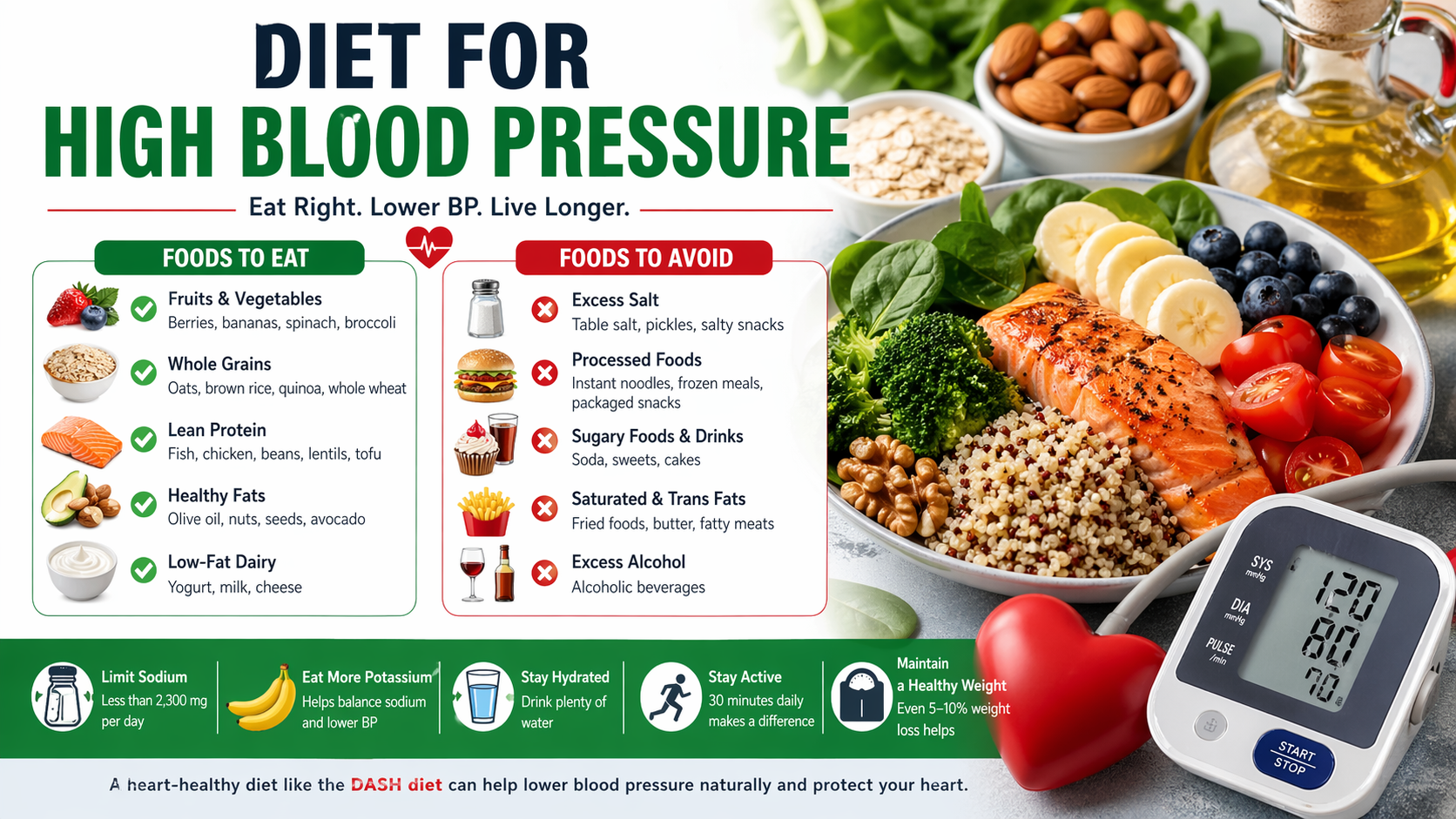
For chronic low blood pressure, diet provides powerful tools to increase blood volume, prevent anemia, and reduce post-meal drops.
Increase Salt Intake Under Medical Supervision
Sodium retains water in the bloodstream, raising blood volume and pressure. Recommended foods include pickles, olives, cottage cheese, canned soups (low-mercury, low-fat options), and broth-based stews.
Add one-half to one teaspoon of extra salt per day to meals, targeting 3,000 to 6,000 mg sodium daily only if no heart or kidney disease is present. Always consult a doctor first, especially if the person is taking diuretics, ACE inhibitors, or managing heart failure.
Eat More B12-Rich Foods
Vitamin B12 deficiency causes pernicious anemia, reducing red blood cell count and oxygen delivery, which leads to fatigue and low blood pressure. Top sources include eggs, chicken, fish (salmon, tuna), low-fat dairy, and fortified cereals.
Seniors with atrophic gastritis (common with age), those on proton-pump inhibitors like omeprazole, and vegetarians or vegans are at higher risk of deficiency. Consider sublingual B12 supplements (1,000 mcg daily) if dietary intake is low or absorption is impaired.
Boost Folate (B9) Intake
Folate deficiency also leads to megaloblastic anemia, contributing to dizziness and hypotension. Best food sources include spinach and dark leafy greens, broccoli, asparagus, lentils and black beans, and liver (in moderation).
Folate works synergistically with B12, so deficiency in either increases anemia risk. Steam vegetables lightly to preserve B vitamins, as boiling leaches nutrients.
Choose Smaller, Frequent Meals
Large meals, especially carbohydrate-heavy ones, cause postprandial hypotension by diverting blood to the gut. Replace three large meals with five to six small meals per day and avoid overeating at breakfast or dinner.
Optimal snack choices include protein-rich options like hard-boiled eggs, Greek yogurt, and nuts, along with complex carbs like oats and quinoa (in moderation), and healthy fats like avocado and olive oil.
Wait 30 to 60 minutes after eating before standing or walking long distances to allow blood pressure to stabilize.
Limit Refined Carbohydrates
White bread, pastries, and sugary foods spike insulin, causing splanchnic vasodilation and subsequent blood pressure drops. Avoid donuts, muffins, white rice, sugary cereals, and soda.
Better alternatives include whole grain toast, steel-cut oats, and non-starchy vegetables. Evidence shows low-carb diets reduce post-meal blood pressure drops in older adults.
Avoid Alcohol or Limit Strictly
Alcohol dilates blood vessels and acts as a diuretic, both of which lower blood pressure. Guidelines recommend a maximum of one drink per day for women and two drinks per day for men.
Alternate alcoholic drinks with water and avoid drinking during hot weather or illness. Even moderate drinking can trigger dizziness in sensitive seniors, and evening drinking increases fall risk.
Long-Term Strategies to Prevent Low BP in Elderly
Preventing recurrent low blood pressure requires daily habits that support circulation, hydration, and safe movement patterns.
Monitor Blood Pressure at Home Regularly
Tracking readings helps identify patterns and triggers. Use a validated upper-arm monitor and measure at the same times daily: morning (after waking, before medications), 30 minutes after meals, and before bedtime.
Record the date, time, reading (systolic and diastolic), any symptoms experienced, and recent food, activity, or medication changes. Look for trends such as whether blood pressure is lowest after lunch, when standing, or after certain medications.
Prevent Orthostatic Hypotension
A 20 mmHg drop in systolic blood pressure upon standing defines orthostatic hypotension, which is particularly common in elderly individuals. Prevention strategies include rising slowly: sit on the edge of the bed for 30 to 60 seconds before standing, and perform hand grip or leg tensing exercises before getting up.
Avoid standing still for long periods. Elevate the head of the bed by 6 to 8 inches (10 to 15 cm) to reduce nighttime urination and improve morning blood pressure stability.
Wear Supportive Compression Garments Daily
Beyond acute use, daily wear of 15 to 30 mmHg compression socks prevents chronic venous pooling. Benefits include maintaining upright blood pressure, reducing leg swelling, and lowering fall risk.
Replace compression garments every 3 to 6 months as elasticity fades. Ensure proper fit, as garments that are too tight can restrict circulation rather than improve it.
When to Seek Medical Help for Low Blood Pressure
Not all low blood pressure is manageable at home. Some cases require urgent evaluation to rule out serious underlying conditions.
Signs You Need a Doctor
Contact a healthcare provider if dizziness or lightheadedness occurs frequently, if there has been near-fainting or actual fainting, if blurred vision, confusion, or extreme fatigue accompany low readings, if blood pressure consistently stays below 90/60 mmHg with symptoms, or if signs of anemia appear (pale skin, weakness, shortness of breath).
Medical workup may include CBC to check for anemia, electrolyte and vitamin B12/folate levels, ECG or heart monitoring, tilt-table test for autonomic dysfunction, and comprehensive medication review.
Emergency Warning Signs
Seek emergency care (call 911) if loss of consciousness occurs, if cold clammy skin, rapid breathing, and weak pulse are present (signs of shock), if chest pain or pressure suggests possible heart attack, or if slurred speech, facial droop, or limb weakness indicate stroke.
When in doubt, make the call. Sudden blood pressure drops can signal serious underlying issues that require immediate intervention.
Special Considerations for Aging Bodies
Older adults face unique physiological challenges that affect blood pressure regulation and require tailored approaches.
Age-Related Changes Affecting Blood Pressure
Reduced baroreceptor sensitivity means the body responds more slowly to blood pressure changes. Decreased cardiac reserve means the heart cannot compensate as well during physical stress. Slower heart rate response means it takes longer to increase heart rate when needed.
Polypharmacy (multiple medications) is common, and many medications lower blood pressure unintentionally. Common culprits include diuretics, alpha-blockers, beta-blockers, antidepressants (especially tricyclics), and Parkinson’s drugs.
Review all medications annually with a doctor to identify potential contributors to hypotension.
Nutritional Barriers in Seniors
Even with good intentions, older adults may struggle to consume adequate nutrients. Common issues include poor appetite or taste changes, dental problems (missing teeth or ill-fitting dentures), difficulty shopping or cooking, and social isolation during meals.
Solutions include using flavor enhancers like herbs, spices, and citrus, offering soft nutrient-dense foods like smoothies and stews, considering meal delivery services, and eating with others when possible.
Key Takeaways for Raising BP in Elderly

Raising blood pressure in the elderly is not about hitting a specific number. It is about preventing symptoms, avoiding falls, and maintaining independence. Most improvements come from combining hydration strategies, dietary adjustments, movement techniques, and medical oversight.
Immediate interventions like lying down with elevated legs, drinking 500 to 750 mL of water, and performing muscle tensing maneuvers can stop dizziness within minutes. Dietary approaches including modest salt increases under medical supervision, B12 and folate-rich foods, and smaller frequent meals provide longer-term stability.
Compression stockings, regular blood pressure monitoring, and orthostatic hypotension prevention strategies address chronic issues. Always consult a healthcare provider before making major changes, especially when increasing salt intake or adjusting medications. With the right approach, stable and safe blood pressure is achievable at any age.
Frequently Asked Questions About Raising Blood Pressure in Seniors
What is considered dangerously low blood pressure in elderly individuals?
A blood pressure reading below 90/60 mmHg is generally considered hypotensive. However, what matters most is whether symptoms are present. Even a sudden drop of 20 mmHg systolic can be dangerous if it causes dizziness, fainting, or confusion. The combination of low readings with symptoms like blurred vision, weakness, or near-fainting warrants medical attention.
How quickly can you raise blood pressure at home?
Some methods work within minutes. Lying down with legs elevated improves venous return immediately. Drinking water can elevate blood pressure within 5 to 30 minutes. Muscle tensing techniques like hand grip exercises raise systolic pressure by 10 to 15 mmHg within 1 to 2 minutes. Caffeine takes 15 to 30 minutes to take effect, while dietary changes like increased salt may take hours to days.
Does caffeine help raise blood pressure in elderly adults?
Yes, caffeine causes vasoconstriction and increases heart rate, temporarily raising blood pressure. Effects begin within 15 to 30 minutes and last 3 to 6 hours. Coffee (80 to 100 mg per 8 ounces) and black tea (30 to 60 mg per cup) are effective sources. However, habitual users may develop tolerance, and late-day consumption can cause insomnia.
What foods raise blood pressure fast in elderly individuals?
Salt-containing foods like pickles, olives, cottage cheese, and broth-based soups increase blood volume through water retention. Small meals with protein and complex carbs prevent the blood pressure drops that follow large carbohydrate-heavy meals. B12 and folate-rich foods like eggs, fish, and leafy greens address anemia-related hypotension over time.
When should I worry about low blood pressure in an older adult?
Seek medical attention if low blood pressure occurs frequently, if fainting or near-fainting episodes happen, if symptoms like confusion, blurred vision, or extreme fatigue accompany low readings, or if readings consistently stay below 90/60 mmHg with symptoms. Prompt evaluation helps identify underlying causes.
Can dehydration cause low blood pressure in elderly individuals?
Yes, dehydration is a common cause of low blood pressure in seniors. Older adults often have diminished thirst perception, leading to chronic underhydration. Even mild dehydration reduces plasma volume, lowering blood pressure. Drinking 2 liters of water daily (unless restricted) helps maintain adequate blood volume and stable pressure.