If you’re a senior struggling with sleep, you’re not alone. Nearly half of adults over 65 experience some form of sleep disturbance, and many turn to melatonin for help. This hormone naturally produced by the body to regulate sleep declines with age, making it a tempting option for those battling insomnia or early awakenings. But how safe is melatonin for seniors? While widely available over the counter and often perceived as harmless, melatonin is a biologically active compound with real effects on the brain, heart, and metabolism.
This article cuts through the hype, delivering evidence-based insights on melatonin safety, risks, and appropriate use in older adults. You’ll learn what science actually says about its effectiveness, what dangers to watch for, and how to make informed decisions about sleep support.
Why Sleep Changes With Age
As people age, sleep naturally changes in ways that can be frustrating. Older adults often fall asleep earlier, wake up earlier, and experience more nighttime awakenings. Total sleep time decreases by about 10 minutes per decade, and deep restorative sleep diminishes significantly. These changes are part of normal aging, not necessarily a disorder.
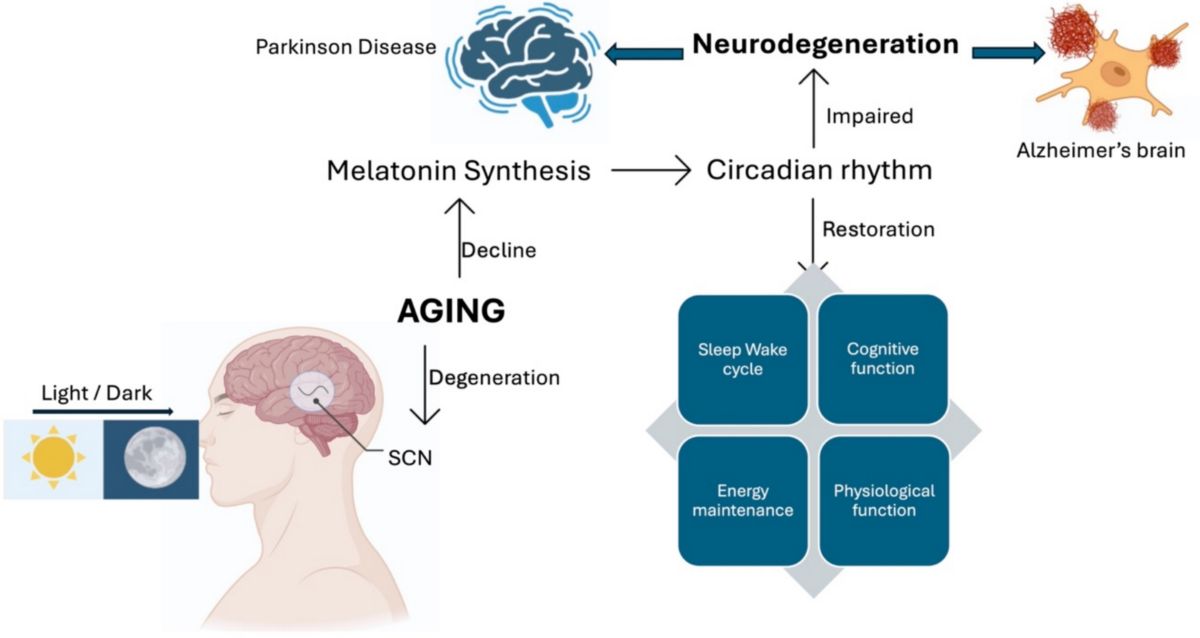
The body also produces less melatonin as you get older. This is due to pineal gland calcification, reduced sensitivity of the brain’s circadian clock, and general aging processes. By older age, endogenous melatonin levels can be up to 80% lower than in young adults. This decline disrupts the sleep-wake cycle, contributing to delayed sleep onset, frequent awakenings, and circadian misalignment.
Does Melatonin Actually Work for Seniors
Melatonin has modest, short-term benefits for older adults struggling to fall asleep. Research shows it reduces sleep onset latency by about 9 to 16 minutes compared to placebo. Total sleep time increases by roughly 12 to 13 minutes, but improvements in overall sleep quality are inconsistent.
The American Academy of Sleep Medicine does not recommend melatonin for general insomnia due to low-quality evidence. However, some benefit may exist in older populations, especially with low-dose prolonged-release formulations that mimic the body’s natural release pattern. These forms are more effective than high-dose immediate-release versions, which can cause next-day grogginess.
For seniors with Alzheimer’s or other dementias, melatonin’s effectiveness is even less clear. A 2016 Cochrane review found no significant improvement in total nighttime sleep with melatonin doses up to 10 mg. A 2020 update concluded it likely has little to no effect on sleep or cognition in dementia patients.
Common Side Effects Seniors Should Watch For
While melatonin is generally well tolerated in the short term, seniors are more sensitive to its effects. Common side effects include daytime drowsiness, dizziness, headaches, nausea, morning grogginess, vivid dreams, fatigue, and irritability.
Because melatonin can cause sedation, you should avoid driving or operating machinery for at least five hours after taking it. These effects are more pronounced with higher doses or immediate-release forms. Even low doses can impair balance and coordination, increasing fall risk, especially in frail or cognitively impaired individuals.
Some seniors report feeling hungover the next day, which can interfere with daily activities. These side effects are often mild but can significantly impact quality of life in older adults.
The Serious Fall and Fracture Risk
One of the most serious concerns with melatonin in seniors is the elevated risk of falls and fractures. Drowsiness, dizziness, and orthostatic hypotension can impair balance and reaction time. The American Academy of Sleep Medicine explicitly advises against melatonin use in elderly patients with dementia due to this risk.
In one 12-month trial, three melatonin users suffered falls resulting in fractures, though the link was not statistically significant. Given that falls are a leading cause of injury and death in older adults, even a small increase in risk is clinically important. Frail seniors, those with mobility issues, or individuals on sedating medications should be especially cautious.
Combining melatonin with other central nervous system depressants like benzodiazepines, opioids, or alcohol further amplifies this danger. Fall risk must be weighed carefully before using melatonin.
Long-Term Cardiovascular Concerns

A 2025 observational study using real-world data from over 1.5 million adults raised alarms about long-term melatonin use. It found that seniors with chronic insomnia who used melatonin for 12 months or longer had a 90% higher risk of heart failure, 3.5 times higher risk of heart failure hospitalization, and nearly double the risk of all-cause mortality.
While this study cannot prove causation, it highlights a potential danger. Melatonin has blood pressure-lowering effects, but in older adults with labile blood pressure, this can lead to hypotension, dizziness, and falls. The interaction between melatonin and existing heart conditions or antihypertensive medications is poorly understood.
Seniors with heart disease should use melatonin cautiously and monitor blood pressure regularly until more data is available.
Dangerous Drug Interactions
Melatonin is metabolized by enzymes in the liver, creating risks when combined with drugs that affect these pathways. Fluvoxamine, an antidepressant, increases melatonin levels by 12-fold due to enzyme inhibition, raising the risk of severe sedation.
Combining melatonin with SSRIs, SNRIs, or benzodiazepines can amplify sedation, impair cognition, and increase fall risk. Zolpidem users should avoid melatonin, as it worsens psychomotor impairment. Alcohol and opioids have additive sedative effects.
Melatonin may also increase bleeding risk in patients on warfarin. With antihypertensives, melatonin’s blood pressure-lowering effect can lead to excessive hypotension. Patients should monitor blood pressure when starting melatonin and report dizziness or lightheadedness.
Product Quality and Regulation Problems

A major safety issue is product inconsistency. A Canadian study found melatonin content ranging from 83 percent below to 478 percent above the label claim. Twenty-six percent of products tested contained serotonin, a neuroactive substance that can cause tremors, confusion, and serotonin syndrome.
A 2023 American Medical Association study found 88 percent of melatonin gummies were mislabeled, some containing three times the claimed dose. Gummies also risk accidental overdose in children due to their candy-like appearance.
Unlike prescription drugs, U.S. supplements are not tested for purity or potency. The FDA does not require pre-market approval, and adverse events are underreported. This lack of oversight means you cannot trust what is in the bottle.
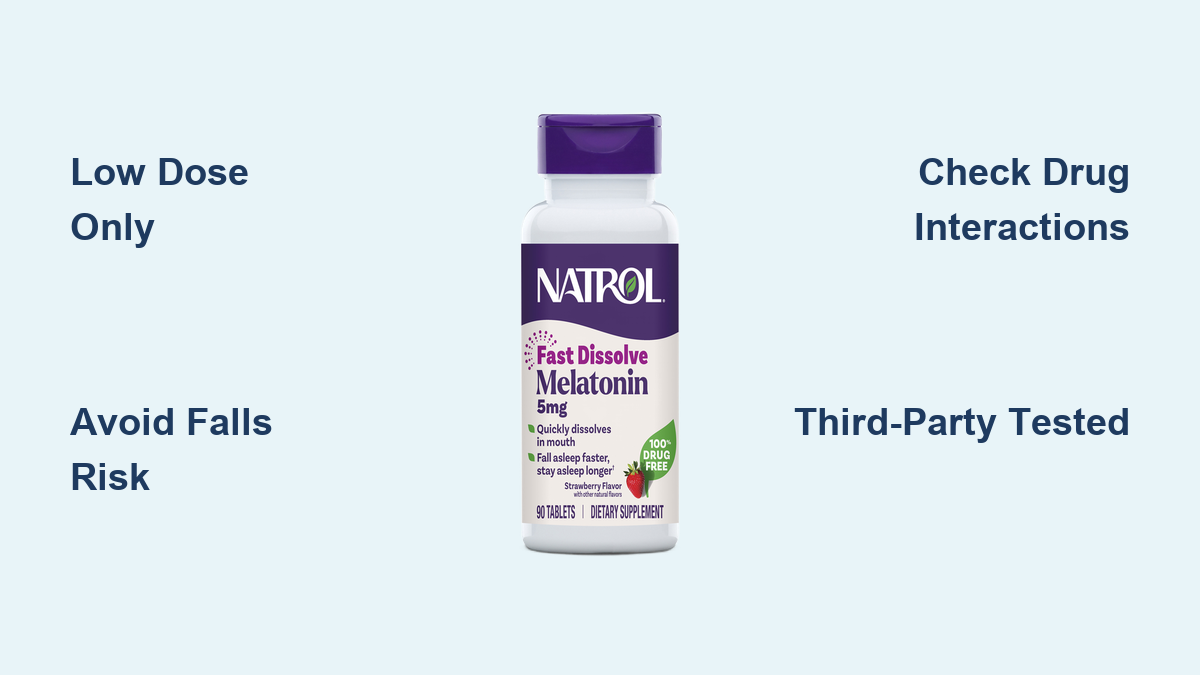
To reduce risk, choose products with third-party verification like USP, NSF, or ConsumerLab. Avoid gummy formulations and prefer pharmaceutical-grade melatonin when available.
Safer Alternatives to Consider
Cognitive behavioral therapy for insomnia is the gold standard for treating chronic insomnia in seniors. Unlike medications, it addresses root causes like poor sleep habits, anxiety, and maladaptive beliefs about sleep. It is effective, durable, and free of side effects.
Components of CBT-I include stimulus control, sleep restriction, relaxation training, cognitive restructuring, and sleep hygiene education. Online programs are available for those who cannot access in-person therapy.
Simple lifestyle changes can also improve sleep. Limit caffeine and alcohol, especially after noon. Avoid screens one hour before bed. Exercise daily but not within three hours of bedtime. Reduce daytime napping and keep a consistent sleep schedule. Optimize your bedroom with cool temperatures, darkness, and quiet.
Recommended Dosing for Seniors
If you choose to use melatonin, start low at 0.3 to 1 mg and increase slowly only if needed. The American Academy of Sleep Medicine recommends a maximum of 2 mg. Take it 30 to 60 minutes before bedtime for sleep onset.
Prolonged-release formulations are preferred because they mimic natural secretion. Avoid daytime use to prevent sedation and cognitive impairment.
For advanced sleep phase where you fall asleep too early, take melatonin 3 to 4 hours before your desired bedtime.
Who Should Avoid Melatonin
Melatonin is not recommended for seniors with dementia due to increased fall risk and lack of clear benefit. Those with severe liver disease should avoid it due to reduced clearance. People on warfarin, fluvoxamine, or other high-risk medications should use caution.
Frail seniors with a history of falls should also avoid melatonin. Always consult your healthcare provider before starting, especially if you take multiple medications.
Frequently Asked Questions About Melatonin Safety for Seniors
Is melatonin safe for seniors to take every night?
Melatonin is generally considered safe for short-term use, but its long-term safety in seniors remains uncertain. Emerging research suggests potential cardiovascular risks with use exceeding 12 months. For nightly use, start with the lowest effective dose and discuss with your doctor.
What is the safest melatonin dose for older adults?
The safest dose is 0.3 to 1 mg taken 30 to 60 minutes before bedtime. Higher doses do not improve sleep and increase side effects like drowsiness and fall risk. Prolonged-release formulations are preferred over immediate-release versions.
Can melatonin interact with my blood pressure medications?
Yes. Melatonin can lower blood pressure and may reduce the effectiveness of antihypertensive drugs like nifedipine. It can cause labile blood pressure, increasing your risk of falls. Monitor your blood pressure closely when starting melatonin and report any dizziness to your doctor.
Does melatonin increase the risk of dementia?
Current evidence does not show that melatonin causes or worsens dementia. However, the American Academy of Sleep Medicine recommends against its use in dementia patients due to increased fall risk and lack of proven benefit for sleep in this population.
Why do melatonin supplements vary so much in strength?
Melatonin supplements in the United States are regulated as dietary supplements, not drugs. This means they are not tested for accuracy, purity, or potency before sale. Studies have found that actual melatonin content can vary dramatically from what is listed on the label.
What are better alternatives to melatonin for senior insomnia?
Cognitive behavioral therapy for insomnia is the recommended first-line treatment. It addresses the underlying causes of poor sleep without medication. Lifestyle changes like limiting caffeine, maintaining a consistent sleep schedule, and creating a dark, cool sleeping environment are also effective and carry no risk.
Key Takeaways for Senior Melatonin Use
Melatonin is not a harmless supplement. It is a hormone with real effects and real risks. For seniors, it offers modest sleep benefits but carries significant fall, cardiovascular, and drug interaction concerns. It should be used cautiously, at low doses, and only after non-drug options are tried.
Always choose third-party verified products to ensure accurate dosing. Start with 0.3 to 1 mg and never exceed 2 mg without medical supervision. Monitor for side effects like drowsiness and dizziness, especially when combined with other medications.
Before trying melatonin, explore cognitive behavioral therapy for insomnia and lifestyle modifications. These approaches address root causes without the risks associated with any sleep aid. If you decide to use melatonin, treat it as a medication, not a vitamin, and discuss it with your healthcare provider to ensure it is appropriate for your specific situation.