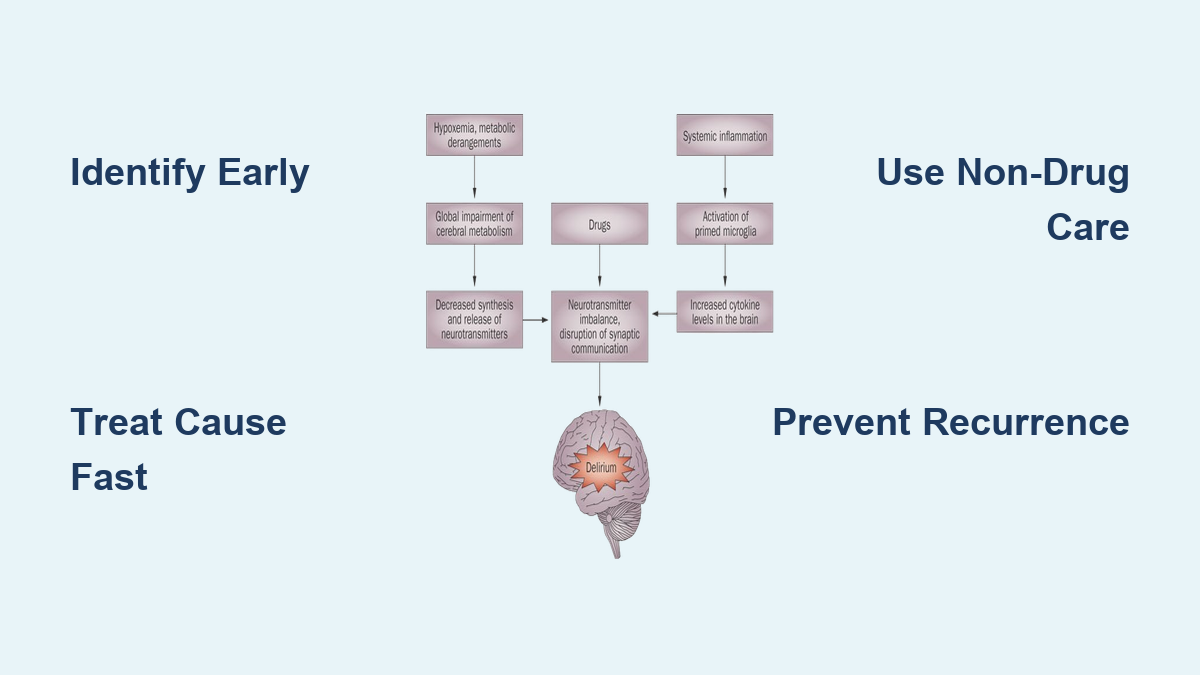
Delirium in the elderly is a sudden, serious change in mental function that affects attention, awareness, and cognition. Unlike dementia, which progresses slowly, delirium develops over hours or days and often signals an underlying medical crisis. Despite its urgency, 32% to 66% of cases go undiagnosed, especially in older adults. Left untreated, delirium increases risks of falls, long-term cognitive decline, prolonged hospitalization, and death. The good news? With prompt recognition and targeted treatment, many cases can be reversed.
Treating delirium in seniors is not about one quick fix. It requires identifying root causes, implementing non-drug strategies, and using medications only when necessary. This guide walks you through evidence-based steps to recognize, manage, and prevent delirium in older adults across hospital, home, and long-term care settings.
Identify Delirium Early
Recognize the Core Symptoms
Delirium disrupts attention and awareness. Key signs include inability to focus or follow a conversation, disorientation to time place or people, memory problems especially short-term, rambling or incoherent speech, hallucinations or delusions, and fluctuating alertness that worsens at night known as sundowning. Symptoms often worsen in the evening, mimicking dementia, but the acute onset and day-to-day changes are telltale clues.
Use Validated Screening Tools
Rely on clinical tools, not guesswork, to detect delirium.
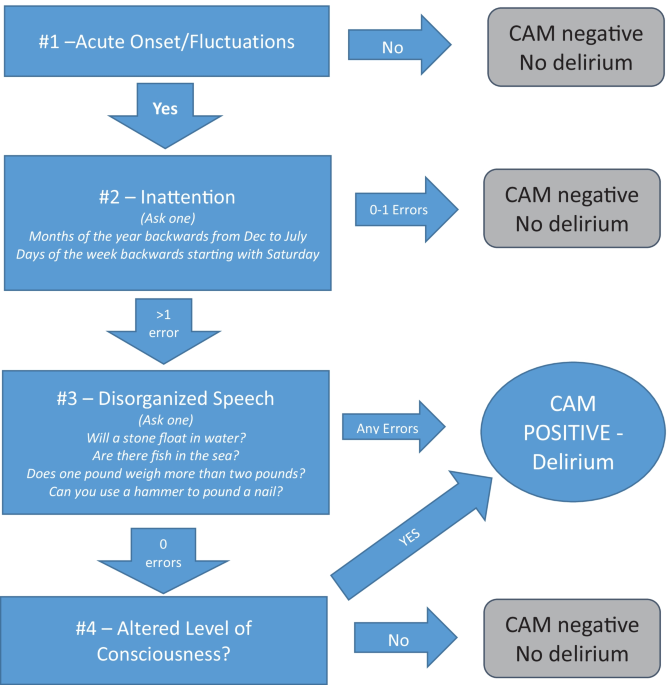
Apply the Confusion Assessment Method (CAM)
The gold standard for diagnosis requires acute onset and fluctuating course, inattention, and either disorganized thinking or altered consciousness. A positive result on all three criteria confirms delirium with 94% to 100% accuracy.
Involve Family with FAM-CAM
Caregivers can use the Family Confusion Assessment Method (FAM-CAM) to spot early changes. Studies show it has 86% sensitivity and 98% specificity when used by trained family members. Visit hospitalelderlifeprogram.org for access.
Monitor Severity with CAM-S
Use the CAM-Severity (CAM-S) scale to track symptom intensity and response to treatment over time.
Diagnose the Underlying Cause
Conduct a Rapid Medical Workup
Delirium is a symptom, not a diagnosis. Always search for the root cause. Start with this essential diagnostic panel.
| Test | Purpose |
|---|---|
| CBC | Check for infection or anemia |
| Electrolytes, BUN, Creatinine | Find imbalances like hyponatremia or kidney failure |
| Glucose | Rule out hypo- or hyperglycemia |
| Urinalysis plus Culture | Detect UTI |
| Liver Panel | Assess hepatic encephalopathy |
| Thyroid Function | Identify hypo- or hyperthyroidism |
| B12 and Folate | Correct deficiency-related confusion |
| Chest X-ray | Look for pneumonia or heart failure |
| ECG | Detect arrhythmias or ischemia |
| Head CT | If new neurological deficits or trauma |
| Blood Cultures | Suspect sepsis |
| ABG | Evaluate oxygenation in respiratory illness |
| EEG | Consider if seizures suspected; delirium shows diffuse slowing |
Reassess Baseline Cognition
Compare current function to prior levels using tools like the Mini-Mental State Exam (MMSE), Mini-Cog, or SPMSQ (Short Portable Mental Status Questionnaire). This helps distinguish delirium from dementia.
Address Precipitating Triggers
Treat Common Medical Causes
Most delirium stems from treatable conditions.
Fight Infections
UTI, pneumonia, or sepsis are top triggers. Start antibiotics promptly if infection is confirmed or strongly suspected.
Correct Metabolic Imbalances
Fix electrolyte disturbances like low sodium or high calcium. Manage hyperglycemia or hypoglycemia immediately. Treat liver or kidney failure with specialist input.
Relieve Physical Obstructions
Check for urinary retention using bladder scan. Treat constipation with laxatives or enemas. Address hypoxia with oxygen therapy if needed.
Manage Pain Effectively
Uncontrolled pain worsens delirium. Use appropriate analgesics, even opioids, when indicated. Do not withhold pain relief due to delirium fears.
Evaluate Post-Surgical Status
Delirium affects 5% to 15% after surgery, especially hip or cardiac procedures. Optimize pain control, hydration, and early mobilization.
Optimize Medication Safety

Discontinue Deliriogenic Drugs
Many medications trigger or worsen delirium. Review all prescriptions daily. High-risk drugs to avoid or stop include anticholinergics like diphenhydramine or oxybutynin, benzodiazepines like lorazepam or diazepam, opioids especially high-dose or with abrupt changes, corticosteroids, antiparkinsonian agents, and H2 blockers like ranitidine. Use the Anticholinergic Cognitive Burden (ACB) Scale to assess risk.
Prevent Withdrawal Syndromes
Abruptly stopping alcohol or benzodiazepines can cause delirium tremens. If withdrawal is suspected, use lorazepam as first-line treatment. Taper gradually under supervision. Monitor for agitation, tremors, or seizures.
Apply Non-Pharmacological Interventions
First-Line Treatment: Environment and Routine
Non-drug strategies are most effective and should be used in every case, regardless of setting.
Reorient the Patient Frequently
Place a large clock and calendar in view. Gently remind of date, time, and location. Explain care steps before performing them.
Maximize Sensory Input
Ensure access to glasses, hearing aids, and dentures. These are often lost in hospitals, increasing confusion.
Normalize Sleep-Wake Cycles
During daytime, keep lights bright and encourage activity and social interaction. At night, reduce noise, dim lights, and silence alarms when safe. Avoid waking for non-urgent tasks like vitals or blood draws.
Reduce Environmental Stress
Keep room clutter-free. Remove unnecessary IV lines, catheters, or monitors. Limit staff changes and loud conversations.
Promote Early Mobility
Help patient sit in a chair, walk with assistance, or do chair exercises. Prevent deconditioning and immobility complications.
Encourage Family Presence
Familiar faces reduce anxiety and improve orientation. Train family to recognize worsening signs and report them.
Support Nutrition and Hydration
Assist with meals if needed. Offer fluids regularly to prevent dehydration.
Use Medications Judiciously
Reserve Drugs for Severe Symptoms
There are no FDA-approved drugs for delirium. Medications should only be used when non-drug methods fail, patient is a danger to self or others, or hallucinations or paranoia cause distress. Always use the lowest dose for shortest time.
Choose the Right Antipsychotic
Start with Haloperidol
First-line for agitation, hallucinations, or paranoia. Available in oral, IV, and IM forms. Begin with 0.25 to 0.5 mg at night or as needed. Monitor for extrapyramidal side effects and QT prolongation.
Consider Atypical Antipsychotics
Use when haloperidol is contraindicated. Quetiapine at 12.5 to 25 mg nightly offers less motor side effects and more sedation. Olanzapine at 2.5 to 5 mg has an IM option available. Risperidone at 0.25 to 0.5 mg twice daily carries higher risk of movement disorders. Avoid in dementia-related psychosis due to increased mortality risk.
Manage ICU Delirium with Dexmedetomidine
For agitated ICU patients, dexmedetomidine reduces delirium duration and need for sedation. It is preferred over benzodiazepines, which worsen confusion.
Regulate Sleep with Melatonin
For sleep-wake disruption, melatonin at 3 to 5 mg nightly may help reset circadian rhythm. Ramelteon, a melatonin receptor agonist, is an alternative. Evidence is modest but safe.
Use Palliative Sedation When Appropriate
In end-stage illness with refractory delirium, the goal shifts to comfort, not cure. Use midazolam, propofol, or opioids to relieve suffering. Involve family and ethics team in decisions.
Tailor Treatment by Setting
Hospital Management Protocol
Immediate actions include identifying and treating underlying causes, implementing non-pharmacological bundle, and screening for delirium daily. Multidisciplinary team roles include nurses monitoring behavior, reorienting, and promoting sleep, therapists encouraging mobility, pharmacists reviewing meds for deliriogenic risks, and doctors leading diagnostic workup and treatment plan. Use structured protocols to standardize care.
Home and Community Care
Educate caregivers to recognize early signs like confusion or restlessness, maintain routines and orientation, and ensure hydration and medication safety. Provide written red flags requiring urgent care, including sudden confusion with fever, breathing difficulties, chest pain, new weakness or speech issues, or severe agitation. Align care with advance directives regarding hospitalization and life-sustaining treatments.
Manage Delirium in Long-Term Care
Follow AMDA Guidelines
The American Medical Directors Association recommends routine screening for cognitive changes, staff training in delirium recognition, and rapid response to behavioral shifts.
Prevent Transitions of Care Triggers
Moving between facilities increases risk. Ensure medication reconciliation, sensory aids accompany the patient, and family involvement in care planning.
Palliative and End-of-Life Care
Recognize Terminal Delirium
Occurs in 20% to 83% of hospice patients. Often underdiagnosed as depression. Clinical clues include sudden onset near death, hypoactive form common with lethargy and withdrawal, and may precede death by days to weeks.
Focus on Comfort
Continue reorientation and family presence. Use haloperidol or risperidone for distressing symptoms. Initiate palliative sedation if agitation is unmanageable. Discuss goals early with patient if able and family.
Prevent Delirium Proactively
Implement the Hospital Elder Life Program (HELP)
Proven to reduce delirium by up to 40%. Core components include daily orientation, cognitive stimulation through games and conversation, early mobilization, sensory optimization, sleep protection, hydration and nutrition support, and medication review. Visit hospitalelderlifeprogram.org for implementation tools.
Identify High-Risk Patients
Use a simple predictive model.
| Risk Factor | Score |
|---|---|
| Age over 75 | Plus 1 |
| Cognitive impairment | Plus 1 |
| Severe illness (APACHE) | Plus 1 |
| Sensory deficits | Plus 1 |
Zero points indicates low risk at roughly 10%. One to two points means intermediate risk at roughly 25%. Three to four points signals high risk at roughly 80%. Target prevention efforts accordingly.
Support Caregivers and Teams
Train Families to Be Detectives
They know the patient baseline. Empower them to notice subtle changes, report concerns early, and participate in reorientation. Provide psychoeducation explaining delirium is reversible, not just old age.
Improve Team Communication
Use daily huddles to share observations. Document behavioral changes clearly. Standardize handoffs between shifts. A cohesive care narrative catches patterns missed in isolated notes.
Understand Prognosis and Risks
Anticipate Complications
Untreated delirium leads to falls and fractures, aspiration pneumonia, pressure ulcers, self-harm or aggression, longer hospital stays, and higher care placement rates.
Know the Long-Term Outlook
Delirium has serious consequences. Mortality ranges from 14.5% to 37% in hospitalized seniors. There is increased risk of persistent cognitive decline, new-onset dementia, functional disability, and death after discharge. Poor prognosis links to hypoactive subtype, prolonged duration, multiple causes, and discharge with unresolved delirium. Better outcomes come with early detection, rapid treatment, and prevention programs.
Follow Best Practice Guidelines
Evidence-Based Recommendations
| Level | Recommendation |
|---|---|
| SORT A | Multicomponent non-drug programs reduce delirium |
| SORT B | Haloperidol helps agitation; melatonin may prevent |
| SORT C | Avoid antipsychotics in hypoactive delirium without psychosis |
Choose Wisely Principles
Avoid antipsychotics unless safety or severe symptoms require them. Do not use physical restraints unless absolutely necessary. Eliminate anticholinergic medications whenever possible.
Final Note
Delirium in the elderly is a medical emergency, not a normal part of aging. With early action, most cases can be reversed. The key is swift diagnosis, treating the cause, optimizing the environment, and involving families. By combining medical care with compassionate support, we can reduce suffering, prevent decline, and improve outcomes for older adults. Never dismiss confusion as just old age. Act fast, treat thoroughly, and prevent whenever possible.
Frequently Asked Questions About Treating Delirium in Elderly
What is the fastest way to treat delirium in an elderly person?
The fastest approach is identifying and treating the underlying cause. Start a rapid medical workup to find triggers like infection, medication effects, or metabolic imbalance. Simultaneously implement non-pharmacological interventions including reorientation, optimizing sensory aids, and normalizing sleep-wake cycles. Most mild to moderate cases improve within days once the trigger is addressed.
What is the first-line treatment for delirium in the elderly?
Non-pharmacological interventions are the first-line treatment for all delirium cases. These include frequent reorientation, ensuring access to glasses and hearing aids, promoting normal sleep-wake cycles, reducing environmental stress, encouraging early mobility, and involving family members. These strategies are supported by SORT A evidence and should be implemented regardless of whether medications are also needed.
What medications are used to treat severe delirium agitation?
Haloperidol is the first-line medication for severe agitation, hallucinations, or paranoia. Start with 0.25 to 0.5 mg orally, IV, or IM. Atypical antipsychotics like quetiapine, olanzapine, or risperidone are alternatives when haloperidol is contraindicated. Medications are reserved for cases where non-drug strategies fail and the patient is a danger to self or others.
How long does it take for delirium to resolve in seniors?
Resolution time varies depending on the cause and how quickly it is treated. With prompt identification and treatment of the underlying trigger, many elderly patients improve within 3 to 7 days. However, some cases persist for weeks, and up to 25% of patients may have persistent symptoms at discharge. Early intervention significantly improves recovery timelines.
Can delirium in elderly be prevented?
Yes, delirium is largely preventable through multicomponent non-pharmacological programs. The Hospital Elder Life Program (HELP) has been proven to reduce delirium incidence by up to 40%. Key prevention strategies include daily orientation, cognitive stimulation, early mobilization, sensory optimization, sleep protection, hydration support, and medication review to eliminate deliriogenic drugs.
What is the difference between delirium and dementia in elderly patients?
The key differences are onset and course. Delirium develops suddenly over hours to days with fluctuating symptoms that worsen at night. Dementia develops slowly over months or years with progressive decline. Delirium is often reversible when the underlying cause is treated, while dementia is typically progressive and permanent. Attention and awareness are severely impaired in delirium, while memory and language are more affected in dementia.
Key Takeaways for Treating Delirium in Elderly
Delirium in older adults is a medical emergency that demands immediate action. The cornerstone of treatment is identifying and addressing the underlying cause through a comprehensive medical workup. Common triggers include infections, medication effects, metabolic imbalances, and pain. Always search for the root cause rather than treating only the symptoms.
Non-pharmacological interventions are the foundation of both treatment and prevention. These evidence-based strategies include frequent reorientation, optimizing sensory function, normalizing sleep-wake cycles, reducing environmental stress, promoting early mobility, and involving family members. These approaches have strong evidence supporting their effectiveness and should be used in every case.
Medications should be used sparingly and only when necessary. Reserve antipsychotics for severe agitation, hallucinations, or when safety is at risk. Haloperidol remains first-line, but always use the lowest effective dose for the shortest duration. Avoid benzodiazepines except for alcohol withdrawal and avoid antipsychotics in hypoactive delirium without psychotic features.
Prevention is possible and cost-effective. Implement structured programs like the Hospital Elder Life Program to reduce delirium incidence by up to 40%. Identify high-risk patients using validated predictive models and target prevention efforts accordingly. Family involvement and staff training are critical components of successful prevention and management.