
Low sodium levels in older adults, called hyponatremia, are one of the most common electrolyte imbalances in geriatric care. With serum sodium below 135 mEq/L, this condition affects up to 20% of hospitalized seniors and can lead to fatigue, confusion, falls, seizures, or even coma if left untreated. Unlike younger individuals, elderly patients often develop hyponatremia due to a mix of age-related changes, chronic conditions, and medication use, not just poor diet. Simply eating more salt is not always safe or effective without medical guidance.
This guide provides a clear, actionable plan for safely increasing sodium levels in seniors through dietary adjustments, fluid management, medication review, and clinical interventions under professional supervision. You will learn how to recognize early signs, choose the right sodium-rich foods, avoid dangerous overcorrection, and work with healthcare providers to restore balance.
Identify Common Causes of Hyponatremia in Seniors
Understanding what is driving low sodium is essential before starting any treatment. In older adults, hyponatremia rarely stems from diet alone. It is usually caused by underlying medical or pharmacological factors that require addressing alongside any dietary changes.
Review Medication Side Effects
Certain medications are leading culprits in elderly hyponatremia. Thiazide diuretics like hydrochlorothiazide increase water retention relative to sodium, causing dilution. SSRIs and tricyclic antidepressants trigger SIADH, reducing urine output and diluting sodium. NSAIDs and opioids impair kidney function and disrupt fluid balance. Antipsychotics and anticonvulsants alter ADH regulation, increasing water retention.
Action step: Ask your doctor for a full medication review. Never stop a prescription on your own, but discuss alternatives or dose adjustments if hyponatremia is confirmed.
Evaluate Chronic Health Conditions
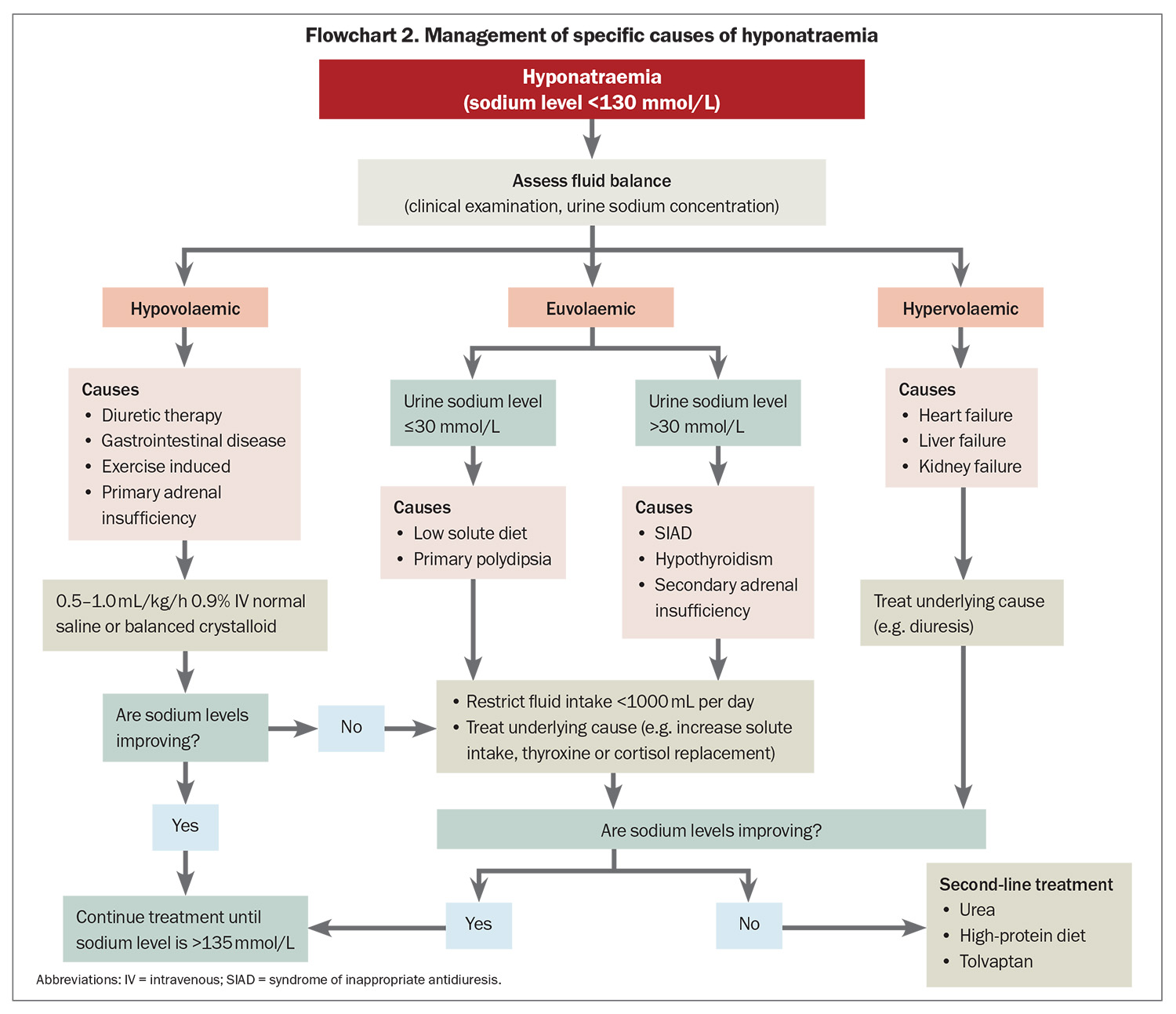
Several long-term illnesses contribute to low sodium. Heart failure leads to fluid overload and dilutional hyponatremia. Kidney disease reduces sodium reabsorption and water excretion. Liver cirrhosis causes fluid buildup in the abdomen and bloodstream. Hypothyroidism and adrenal insufficiency disrupt hormone systems that regulate sodium. Lung cancer sometimes secretes ADH, mimicking SIADH.
These conditions require coordinated care. Correcting sodium often means managing the root disease first.
Check for Infections and Acute Illnesses
UTIs, pneumonia, and other infections are common in seniors and can trigger hyponatremia via inflammation or SIADH. Even mild illness may cause fluid shifts that lower sodium, especially in frail individuals.
Pro tip: Sudden confusion or weakness during an infection should prompt immediate blood testing for electrolytes.
Recognize Early Symptoms of Low Sodium
Symptoms of hyponatremia can be subtle and easily mistaken for normal aging or dementia. Early detection improves outcomes and prevents hospitalization.
Cognitive and Neurological Signs
Confusion or disorientation is often misdiagnosed as Alzheimer or delirium. Memory lapses and poor concentration are common. Irritability and mood changes may occur. Drowsiness or lethargy that seems out of character should raise concern.
If symptoms improve after sodium correction, hyponatremia was likely the cause rather than dementia.
Physical Symptoms to Watch For
Muscle cramps, spasms, or weakness signal neuromuscular dysfunction. Dizziness or unsteadiness increases fall risk significantly. Headaches are common in mild cases. Nausea or vomiting may occur. Fatigue with minimal exertion is frequently reported.
Severe cases may progress to seizures, respiratory distress, or coma, requiring emergency IV treatment.
Red flag: Any sudden change in mental status warrants urgent medical evaluation. Do not assume it is just aging.
Add Sodium-Rich Foods Safely

Dietary changes are often the first step in mild hyponatremia but must be balanced to avoid worsening heart or kidney issues.
Choose High-Sodium, Nutrient-Dense Options
Focus on foods that boost sodium without excess fat or sugar. Tomato juice provides 878 mg per 8 oz serving. Vegetable juice cocktail offers 887 mg per 8 oz. Low-fat cottage cheese contains 350 to 450 mg per half cup. Canned soup (regular, not low-sodium) provides 600 to 900 mg per cup. Pickles or olives deliver 500 to 1,000 mg per serving. Aged cheese like cheddar or feta has 175 to 300 mg per ounce. Smoked salmon provides 600 to 900 mg per 3 oz serving. Whole-grain bread contains 150 to 250 mg per slice.
Avoid potato chips, processed meats high in saturated fat, or salty snacks that increase thirst and water intake.
Practical Meal Ideas for Increased Sodium
Breakfast could include scrambled eggs with cheese plus tomato juice. Lunch might feature tuna salad with pickles, whole-grain crackers, and vegetable broth. Dinner could be grilled chicken with sauteed carrots and beets plus a side of cottage cheese. Snacks like olives, lightly salted nuts, or yogurt with a pinch of sea salt work well.
Pro tip: Cook vegetables in salted water to naturally increase sodium content without added fat.
Manage Fluid Intake Wisely
One of the most effective ways to raise sodium levels is not adding salt but limiting excess water. Many seniors drink large amounts of plain water, believing it is healthy. But in those prone to hyponatremia, this can dangerously dilute sodium.
Prevent Overhydration
Limit fluid intake to 1 to 1.5 liters per day if advised by a doctor. Sip fluids slowly throughout the day instead of drinking large volumes at once. Replace plain water with electrolyte drinks during illness or hot weather.
Use Electrolyte-Replacement Beverages
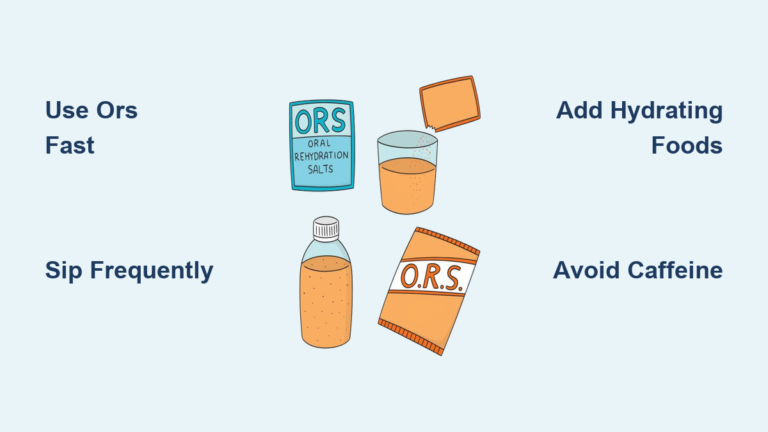
Choose drinks that contain sodium and potassium. Pedialyte provides 450 mg sodium per liter. Gatorade contains 160 mg per 8 oz. Coconut water (regular, not low-sodium) offers 60 to 100 mg per 8 oz. Homemade oral rehydration solution works by mixing half a teaspoon of salt with six teaspoons of sugar in one liter of water.
Note: Avoid low-sodium versions of these drinks. They will not help correct hyponatremia.
Review and Adjust Medications
Medication changes are often the key to resolving persistent hyponatremia. A thorough medication review with your healthcare provider is essential.
Stop or Switch High-Risk Drugs
Thiazide diuretics are often replaced with potassium-sparing diuretics like spironolactone. SSRIs may be switched to non-SIADH-inducing alternatives if depression treatment is still needed. NSAIDs are replaced with acetaminophen for pain when possible.
Critical: Only a physician should make these decisions. Abruptly stopping medications can be dangerous.
Monitor After Changes
Sodium levels should be rechecked within one to two weeks after any medication adjustment. Improvement may take several days, but many patients see correction within a week.
Monitor Sodium with Regular Blood Tests
Routine lab work is essential for safe correction and long-term management of hyponatremia.
Key Diagnostic Tests
Serum sodium level confirms hyponatremia and tracks progress. Comprehensive metabolic panel checks kidney function, glucose, and other electrolytes. Urine sodium and osmolality help determine if the kidneys are wasting sodium or retaining water. Thyroid and cortisol tests rule out endocrine causes. Chest X-ray or CT scan is used if lung cancer or infection is suspected.
Frequency: Seniors on high-risk medications or with chronic illness should have electrolytes checked at least once a year, or more often if symptoms arise.
Use Medical Treatments When Needed
In moderate to severe cases, diet and fluid changes are not enough. Medical intervention ensures safe, controlled correction.
Oral Sodium Supplements
Sodium chloride tablets (500 to 1,000 mg doses) may be prescribed for gradual correction. Taken with food to avoid stomach upset. Used under close monitoring to prevent overshooting.
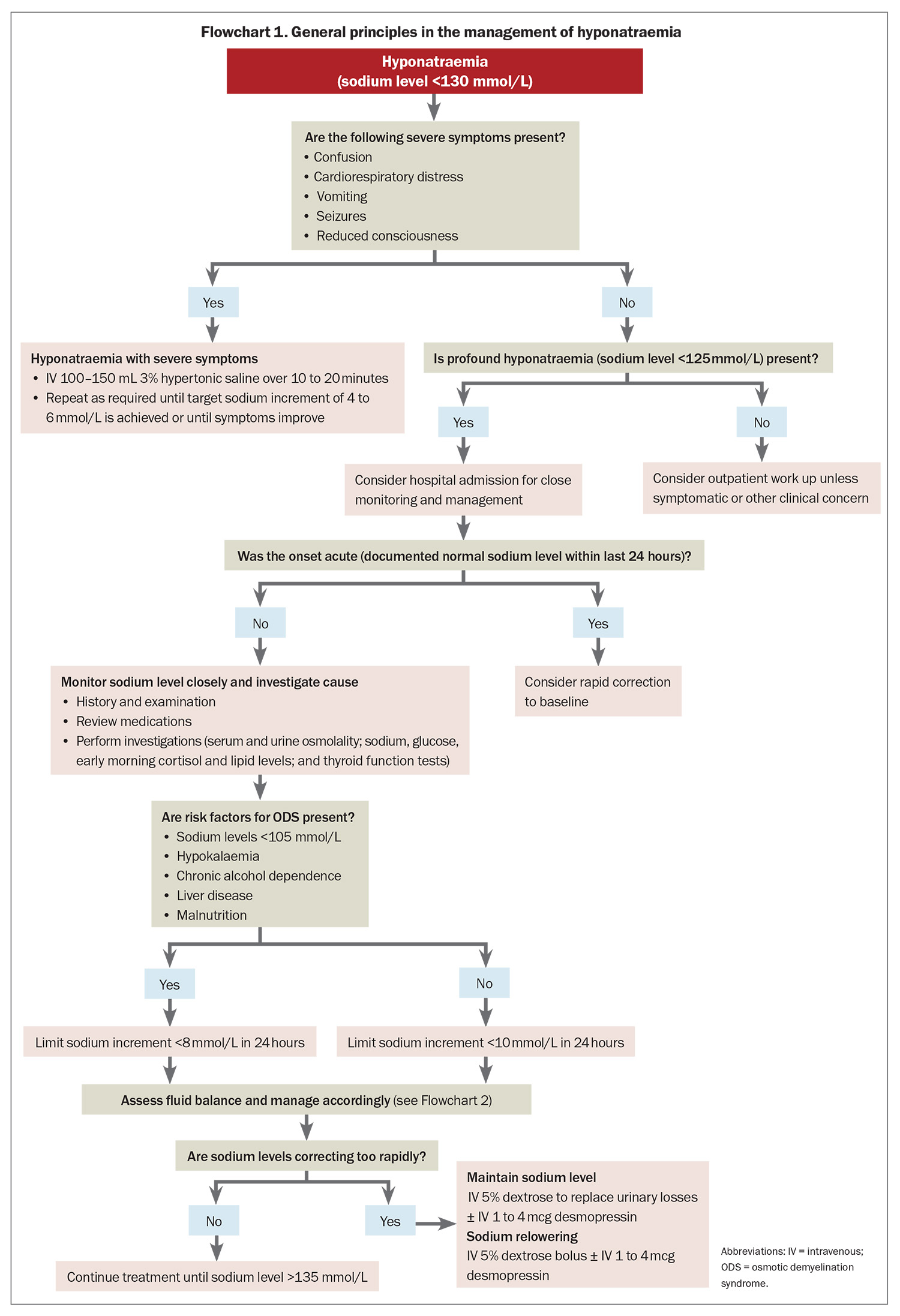
Warning: Never take salt tablets without a prescription. Rapid sodium rise can cause osmotic demyelination syndrome, a rare but devastating brain injury.
Intravenous Saline Therapy
Used in acute or symptomatic hyponatremia. Isotonic saline (0.9% NaCl) is first-line for volume-depleted patients. Hypertonic saline (3% NaCl) is reserved for severe symptoms like seizures or coma, given slowly in the hospital.
Correction goal: No more than 8 to 10 mEq/L in 24 hours to avoid brain damage.
Vaptans for SIADH
Tolvaptan (Samsca) is a vasopressin receptor blocker that helps the body excrete excess water without losing sodium. Used in euvolemic hyponatremia due to SIADH. Requires daily monitoring and is not for long-term use.
Note: Vaptans are expensive and not suitable for all patients. They are used only when other methods fail.
Follow Daily Sodium Intake Guidelines
While correcting hyponatremia, temporary increases in sodium intake may be necessary. But long-term high salt intake poses risks.
| Condition | Daily Sodium Goal |
|---|---|
| General seniors (no heart or kidney disease) | Up to 2,300 mg/day |
| With hypertension, heart failure, or CKD | 1,500 mg/day or less |
| During active hyponatremia (short-term) | May exceed 2,300 mg under medical supervision |
| Minimum needed for function | At least 500 mg/day |
Balance is key. The goal is correction, not lifelong high-salt eating. Once levels stabilize, return to heart-healthy guidelines.
Support Seniors with Caregiver Strategies
Caregivers play a vital role in preventing, detecting, and managing low sodium in elderly individuals.
Monitor for Warning Signs
Track daily behaviors. Is the person more confused, sleepy, or unsteady? Watch for new-onset falls or muscle twitching. Keep a symptom log to share with doctors.
Prepare Balanced, Sodium-Boosted Meals
Use recipes that include natural sodium sources like tomato juice, broth, or cheese. Avoid bland meals that discourage eating. Palatable food improves intake. Work with a registered dietitian for personalized plans.
Coordinate Medical Care
Attend appointments and bring medication lists. Report any changes in cognition or energy. Ensure follow-up blood tests are completed.
Pro tip: Hyponatremia can recur. Ongoing vigilance is crucial.
Know When to Seek Emergency Help
Some symptoms require immediate medical attention.
Emergency Warning Signs
Sudden confusion or disorientation needs urgent care. Seizures are always an emergency. Severe muscle weakness or inability to stand is serious. Persistent vomiting or loss of consciousness requires immediate intervention.
Go to the ER or call 911. These indicate acute hyponatremia, which can be life-threatening.
Non-Emergency but Concerning Symptoms
Ongoing fatigue, frequent dizziness, or mild memory issues warrant a doctor visit within a few days. Early testing can prevent escalation.
Key Takeaways for Increasing Sodium in Elderly
Increasing sodium levels in the elderly requires a careful, individualized approach. While dietary changes and fluid management help in mild cases, medication review and medical supervision are often essential. Never attempt rapid correction at home. Slow, controlled treatment prevents serious complications like osmotic demyelination syndrome.
The most important steps include identifying underlying causes through medication review and diagnostic testing, adding sodium-rich foods like tomato juice, cottage cheese, and smoked fish to meals, managing fluid intake to prevent overhydration, and working closely with healthcare providers for any medication adjustments or supplements.
With proper care, most seniors can safely restore normal sodium levels and enjoy improved energy, clarity, and stability. Regular monitoring and caregiver vigilance help prevent recurrence and ensure long-term health.
Frequently Asked Questions About Increasing Sodium in Elderly
What is considered a low sodium level in seniors?
A serum sodium level below 135 mEq/L is considered hyponatremia. The normal range is 135 to 145 mEq/L. Levels below 125 mEq/L indicate severe hyponatremia and require immediate medical attention.
How quickly can sodium levels be increased safely in elderly patients?
Safe correction rate is no more than 8 to 10 mEq/L in 24 hours. Rapid correction can cause osmotic demyelination syndrome, a serious brain injury. Treatment typically takes several days to weeks depending on severity and underlying cause.
What foods are best for naturally increasing sodium in elderly?
Sodium-rich foods include tomato juice, vegetable juice cocktail, cottage cheese, canned soups, pickles, olives, aged cheese, smoked salmon, and whole-grain bread. These provide sodium along with nutrients, unlike processed salty snacks.
When should I take my elderly parent to the hospital for low sodium?
Seek emergency care for sudden confusion, seizures, severe muscle weakness, persistent vomiting, or loss of consciousness. These indicate acute, severe hyponatremia that can be life-threatening.
Can drinking more water help with low sodium?
Not necessarily. In fact, drinking excessive plain water can worsen dilutional hyponatremia. Fluid restriction is often needed. Replace plain water with electrolyte drinks like Pedialyte or Gatorade when appropriate.
How often should seniors have their sodium levels checked?
Seniors on high-risk medications like diuretics or antidepressants, or those with chronic conditions like heart failure or kidney disease, should have electrolytes checked at least annually. Those with a history of hyponatremia may need testing every three to six months.