
Losing weight after 60 doesn’t have to feel impossible. While aging brings slower metabolism, muscle loss, and hormonal shifts, how seniors lose weight safely and effectively comes down to smart nutrition, consistent movement, and medical support. Unlike crash diets designed for younger adults, senior weight loss must prioritize muscle preservation, nutrient density, and long-term sustainability.
Excess weight increases risks for type 2 diabetes, heart disease, joint pain, and mobility decline. But research shows that even a 5–10% reduction in body weight can significantly improve blood pressure, blood sugar, and daily function. This guide delivers actionable, evidence-based answers to how seniors can lose weight without sacrificing health.
Optimize Protein Intake at Every Meal

Protein is the cornerstone of healthy senior weight loss. As muscle naturally declines with age, maintaining lean mass becomes critical for metabolism, balance, and independence.
Target 25–35 Grams Per Meal
To maximize muscle protein synthesis, spread protein evenly across all meals instead of eating most at dinner.
High-Protein Options Include:
- 3 oz chicken or turkey provides approximately 26 grams
- 1 cup cottage cheese delivers about 28 grams
- 3 oz canned tuna offers roughly 20 grams
- 4 oz salmon contains approximately 25 grams
- 1 cup cooked beans provides around 15 grams
- 2 large eggs supply about 12 grams
Pro Tip: Add cottage cheese to fruit or blend Greek yogurt into smoothies for easy protein boosts throughout the day.
Calculate Your Daily Protein Needs
Seniors should consume 1.0 to 1.2 grams of protein per kilogram of body weight daily. For a 154-pound adult, this means 70–84 grams per day. Low protein intake during calorie restriction accelerates muscle loss, slows metabolism, and weakens strength.
Eat Every 2–3 Hours to Keep Metabolism Active
Fighting a slow metabolism means keeping it active throughout the day. Seniors who skip meals often experience energy crashes, overeating later, and reduced fat-burning efficiency.
Build Balanced Mini-Meals
Each snack or meal should include protein, fiber, and healthy fat.
Sample Mini-Meal Ideas:
- Apple slices with 1 tablespoon peanut butter
- Carrot sticks with hummus
- Cottage cheese with berries
- Hard-boiled egg with whole grain crackers
- Greek yogurt with chia seeds
Eating frequently stabilizes blood sugar, reduces hunger spikes, and supports steady energy. This approach is critical for staying active and maintaining motivation.
Fill Your Plate with Nutrient-Dense Foods
With smaller appetites and lower calorie needs, every bite must count. Focus on foods rich in vitamins, minerals, fiber, and protein while minimizing empty calories.
Top Superfoods for Seniors Include:
- Berries which are high in antioxidants and low in sugar
- Leafy greens like spinach and kale that provide vitamin K and folate
- Fatty fish such as salmon and mackerel for omega-3s that reduce inflammation
- Nuts and seeds that offer healthy fats and plant-based protein
- Whole grains like oats and quinoa for fiber and satiety
Avoid processed snacks, sugary drinks, and refined carbs that spike blood sugar and contribute to fat storage.
Drink Water Before Meals to Curb Appetite
Dehydration is common in seniors due to a dulled thirst response. Often, what feels like hunger is actually thirst.
Hydration Guidelines to Follow:
- Aim for 64 ounces or 2 liters of fluids daily
- Check urine color as a simple hydration indicator—pale yellow means well-hydrated
- Include hydrating foods like watermelon, cucumbers, soups, and oranges
Drinking a glass of water 10–15 minutes before meals helps fill the stomach and reduces calorie intake naturally.
Warning: Never rely on thirst alone. Set phone reminders or carry a reusable water bottle to stay consistently hydrated.
Walk 30 Minutes Daily for Heart Health and Calorie Burn
Cardio burns calories and improves heart health, but it must be sustainable. Brisk walking is the number one recommended exercise for seniors because it is low-impact, free, and easy to start.
Meet CDC Guidelines:
- Aim for 150 minutes per week of moderate aerobic activity
- Break walks into 10-minute sessions if needed
- Consider mall walking, neighborhood strolls, gardening, or dancing
Even short walks after meals help regulate blood sugar and aid digestion.
Pro Tip: Use a pedometer or smartwatch to track steps. Aim for 7,000–10,000 steps per day to support weight loss.
Strength Train Twice Weekly to Preserve Muscle
Muscle burns more calories than fat, even at rest. Resistance training is essential for preserving metabolism and preventing frailty.
Effective Strength-Building Options:
- Resistance bands for progressive resistance
- Light dumbbells for upper body work
- Bodyweight exercises like chair squats and wall push-ups
- Pilates or SilverSneakers classes for guided instruction
Beginner Routine to Follow 2–3 Times Weekly:
- Chair squats: 2 sets of 10 repetitions
- Bicep curls with 2–5 pound weights: 2 sets of 12 repetitions
- Seated leg extensions: 2 sets of 12 repetitions
- Resistance band rows: 2 sets of 10 repetitions
- Wall push-ups: 2 sets of 8–10 repetitions
Safety First: Consult your doctor before starting any exercise program. Work with a physical therapist if you have joint pain or balance issues.
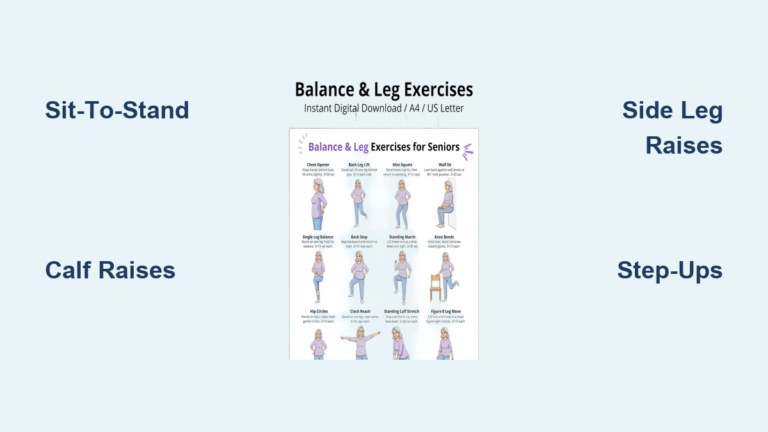
Add Balance Exercises Three Times Weekly
Falls are a leading cause of injury in seniors. Poor balance limits activity, which reduces calorie burn and accelerates weight gain.
Recommended Balance Practices:
- Tai chi for flowing, controlled movements
- Yoga in chair or gentle styles for flexibility and stability
- Heel-to-toe walking to improve gait coordination
- Standing on one leg while holding a counter for support
- Balance board exercises for proprioception training
These practices also reduce stress and improve mental well-being, which supports long-term motivation.
Use Smaller Plates to Control Portions
Simple environmental changes can reduce portion sizes without feeling deprived.
Visual Tricks That Actually Work:
- Use 9-inch plates instead of 12-inch plates
- Serve food in the kitchen rather than at the table to avoid second helpings
- Eat slowly because it takes 20 minutes for fullness signals to reach the brain
Behavioral Hack: Brush your teeth after dinner. This simple act signals the brain that eating is finished for the day.
Track Food and Activity for Awareness
Awareness is the first step toward change. Keeping a simple journal helps identify patterns like emotional eating or inactive days.
What to Track Consistently:
- Meals and snacks including portion sizes
- Daily steps or exercise completed
- Energy levels throughout the day
- Mood and sleep quality
Use a notebook or free apps like MyFitnessPal or Lose It. Even tracking for two weeks builds mindfulness and reveals hidden eating patterns.
Pro Tip: Weigh yourself once a week at the same time and day. Avoid daily fluctuations that cause discouragement.
Consult Your Doctor Before Starting
Before beginning any weight loss plan, seniors should get medical clearance, especially when managing chronic conditions like diabetes, heart disease, or arthritis.
Key Pre-Checklist Items:
- Review medications that may cause weight gain such as beta-blockers, insulin, or antidepressants
- Rule out hypothyroidism or other metabolic issues
- Assess mobility limitations or pain that affects exercise
Your doctor may refer you to a registered dietitian or physical therapist for personalized support tailored to your health situation.
Leverage Medicare Benefits for Support
Many U.S. seniors do not realize that Medicare covers weight management services.
What’s Typically Included:
- Annual weight screening at no cost
- Behavioral counseling for obesity when BMI is 30 or higher
- Medicare Advantage plans often include SilverSneakers fitness memberships with free gym access or home workouts
- Nutritional counseling and wellness coaching
- Home exercise kits for at-home strength training
Action Step: Call your plan provider or visit SilverSneakers.com to discover what benefits you qualify for.
Avoid Fad Diets Completely
Crash diets, juice cleanses, and extreme restrictions are dangerous for seniors. These approaches lead to muscle loss, nutrient deficiencies, slower metabolism, and fatigue.
Instead, Focus on Small Consistent Changes:
- Swap soda for sparkling water
- Add a daily 10-minute walk
- Include protein at every breakfast
- Replace white bread with whole grain options
Rule of Thumb: If a diet sounds too good to be true, it probably is.
Address Common Appetite Challenges
Many seniors struggle with low appetite due to reduced taste or smell, dental problems, dry mouth, or feelings of loneliness and depression.
Practical Solutions to Improve Appetite:
- Boost flavor with herbs, spices, citrus, or umami-rich ingredients like soy sauce and mushrooms
- Improve texture by steaming vegetables, using ground meats, or making smoothies
- Eat socially by joining a senior center meal program
- Use supplements like Ensure or Boost when recommended by a doctor
Resource: Meals on Wheels delivers nutritious meals to homebound seniors, serving over 2 million people annually.
Watch for Unintentional Weight Loss
Losing more than 5% of body weight in 6–12 months without trying is a red flag that requires medical attention.
Possible Causes Include:
- Cancer and other serious conditions
- Hyperthyroidism that speeds metabolism
- Depression affecting appetite and motivation
- Gastrointestinal disorders interfering with absorption
- Dental or swallowing issues making eating difficult
Action Step: Monitor your weight monthly and report any unexplained loss to your doctor immediately.
Consider Medical Weight-Loss Options If Needed
If lifestyle changes are not enough, talk to your doctor about advanced options.
GLP-1 Medications to Discuss:
- Examples include semaglutide (Wegovy) and tirzepatide (Zepbound)
- These reduce appetite and slow digestion
- They require a prescription and ongoing medical monitoring
- Side effects may include nausea or gastrointestinal issues
Bariatric Surgery Considerations:
- Typically considered for BMI of 40 or higher, or 35 or higher with health conditions
- Effective but involves risks and lifelong dietary changes
- Requires evaluation by a multidisciplinary medical team
These options are not first-line treatments but may be appropriate for specific cases under medical supervision.
Build a Support System for Lasting Success
Social support increases success rates significantly. Seniors who lose weight with others are more likely to keep it off long-term.
Ways to Stay Connected:
- Join a weight-loss group in your community or online
- Walk with a friend or neighbor for accountability
- Share meals with family members regularly
- Work with a health coach for personalized guidance
Even one supportive person can make a meaningful difference in your weight loss journey.
Frequently Asked Questions About Senior Weight Loss
How much weight is safe for seniors to lose per week?
A safe target is 1–2 pounds per week. This moderate rate preserves muscle mass while creating the caloric deficit needed for fat loss. Losing weight faster increases risk of muscle loss, nutrient deficiencies, and gallstones.
Can seniors build muscle while losing weight?
Yes, seniors can build muscle while losing weight by consuming adequate protein (1.0–1.2 grams per kilogram of body weight), performing resistance training 2–3 times weekly, and maintaining a moderate calorie deficit. This combination supports muscle protein synthesis while promoting fat loss.
What is the best exercise for seniors trying to lose weight?
Brisk walking is the best starting exercise because it is low-impact, accessible, and effective for calorie burning. Combine walking with strength training twice weekly to preserve muscle mass. Balance exercises three times weekly help prevent falls and maintain mobility.
Does metabolism really slow down after 60?
Yes, metabolism naturally slows after 60 due to muscle loss, hormonal changes, and reduced physical activity. Seniors typically burn 100–200 fewer calories per day at age 70 compared to age 50, even with identical activity levels. This makes calorie control and muscle preservation especially important.
How can seniors lose belly fat specifically?
Spot reduction is not possible, but overall fat loss reduces belly fat. Combine moderate calorie control with protein-rich meals, regular aerobic exercise like walking, and strength training. Reducing refined carbohydrates and added sugars also helps decrease visceral fat accumulation.
Should seniors skip meals to lose weight faster?
No, skipping meals is not recommended for seniors. Eating every 2–3 hours keeps metabolism active, prevents energy crashes, and reduces the likelihood of overeating later. Skipping meals can also lead to muscle loss and nutrient deficiencies.
Key Takeaways for Senior Weight Loss Success

How seniors lose weight effectively comes down to making sustainable, health-focused changes rather than following extreme diets. Prioritizing protein at every meal (25–35 grams) preserves muscle mass and supports metabolism. Walking for 30 minutes daily combined with strength training twice weekly creates the calorie deficit needed while maintaining functional strength. Staying hydrated, using smaller plates, and tracking progress build awareness and reinforce positive behaviors.
Medical consultation before starting any weight loss program is essential, especially for those with chronic conditions. Medicare and Advantage plans offer valuable resources including fitness programs and nutritional counseling that many seniors overlook. Building a support system through friends, family, or community groups increases adherence and long-term success.
Start with one small change today. Add a daily walk, swap one sugary drink for water, or include protein at breakfast. Focus on progress rather than perfection, and celebrate non-scale victories like improved energy, better sleep, and easier movement. Your health transformation is within reach.