Dementia in the elderly is a growing health challenge affecting millions worldwide. While not a normal part of aging, it impacts memory, thinking, behavior, and the ability to perform everyday tasks. The most common form, Alzheimer’s disease, accounts for 60–80% of cases, but other types like vascular dementia, Lewy body dementia, and frontotemporal dementia also contribute significantly. Although there is no cure for most forms of dementia, effective treatment strategies can slow symptom progression, improve quality of life, and support both patients and caregivers.
Treating dementia requires more than medication. It demands a holistic, stage-specific approach combining medical interventions, lifestyle changes, behavioral support, and caregiver involvement. Early diagnosis is key, especially since some causes of cognitive decline are reversible, such as vitamin deficiencies, hypothyroidism, or medication side effects. This guide breaks down evidence-based treatments, from pharmacological options to non-drug therapies, offering a clear roadmap for managing dementia at every stage.
Identify Dementia Type and Stage

Accurate classification of dementia type and disease stage is essential for effective treatment planning. Each form of dementia has distinct symptoms, progression patterns, and therapeutic responses.
Confirm Dementia Type
Differentiating between Alzheimer’s, vascular dementia, Lewy body dementia, and frontotemporal dementia ensures targeted care.
• Alzheimer’s disease: Progressive memory loss, disorientation, and word-finding difficulty confirmed by amyloid plaques and neurofibrillary tangles.
• Vascular dementia: Stepwise decline following strokes or small vessel disease, often including executive dysfunction and gait issues.
• Lewy body dementia: Fluctuating cognition, visual hallucinations, REM sleep behavior disorder, and parkinsonism.
• Frontotemporal dementia: Early personality changes, inappropriate behaviors, or language problems with relative preservation of memory early on.
• Mixed dementia: Combination of Alzheimer’s and vascular pathology, common in older adults.
Diagnostic tools include cognitive testing, blood work to rule out reversible causes, and brain imaging.
Assess Disease Progression
Treatment intensity and goals shift across three main stages.
Early-stage focuses on maintaining independence with mild forgetfulness and difficulty with planning. Patients remain self-sufficient but benefit from early lifestyle and medical intervention. The emphasis is on cognitive stimulation, exercise, diet, and advance care planning.
Middle-stage requires supporting daily function as confusion increases and supervision becomes necessary. Behavioral changes like agitation and wandering may emerge. Assistance is needed for dressing, cooking, and finances. The focus shifts to symptom management, caregiver training, and home safety.
Late-stage involves full-time care needs due to severe cognitive decline and limited speech or mobility. Patients require help with eating, bathing, and toileting. The priority becomes comfort, preventing complications like pneumonia and pressure sores, and palliative care.
Use FDA-Approved Medications
Pharmacological treatments can temporarily stabilize symptoms and slow functional decline, particularly in Alzheimer’s and related dementias.
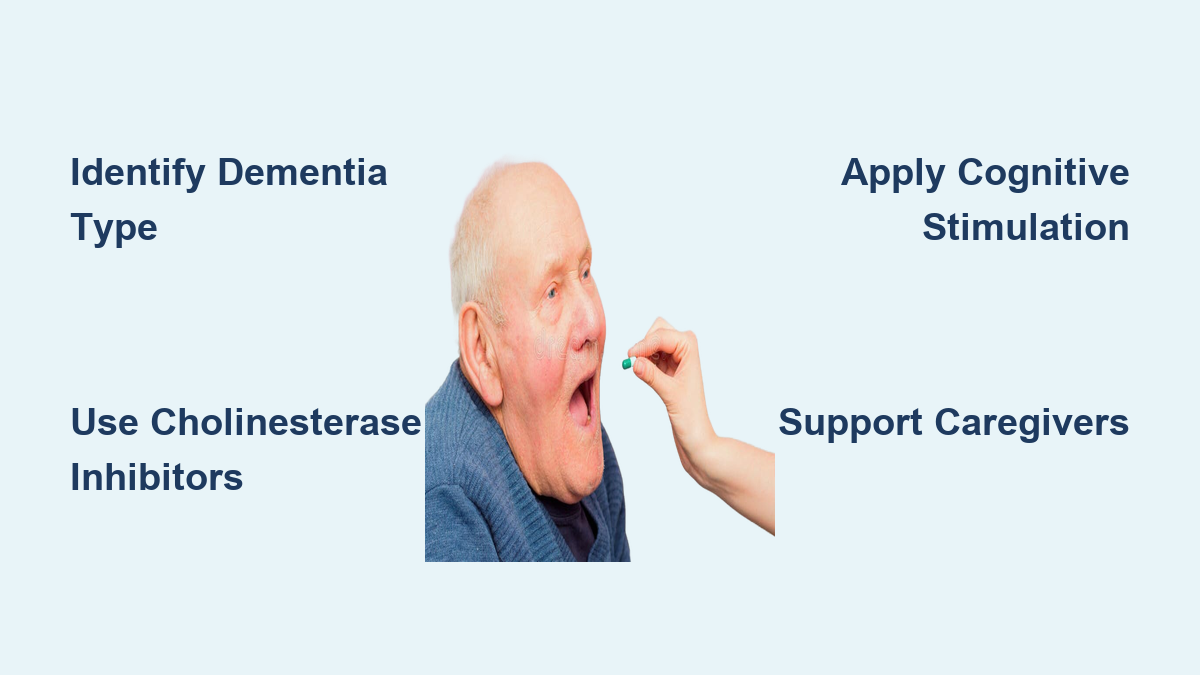
Prescribe Cholinesterase Inhibitors
These drugs boost acetylcholine, a neurotransmitter critical for memory and learning.
Donepezil (Aricept) is approved for all stages of Alzheimer’s and also used in Lewy body dementia. The dosing is once daily, starting at 5 mg and increasing to 10 mg after 4–6 weeks. Side effects include nausea, diarrhea, muscle cramps, and slow heart rate. Monitor patients with cardiac conditions carefully.
Rivastigmine (Exelon) is used for mild-to-moderate Alzheimer’s and Parkinson’s disease dementia. It comes as capsule, liquid, or transdermal patch, with the patch reducing gastrointestinal side effects. Dosing is twice daily, titrated slowly to minimize nausea.
Galantamine (Razadyne) works for mild-to-moderate Alzheimer’s through dual mechanisms: cholinesterase inhibition and nicotinic receptor modulation. Take with meals to reduce stomach upset.
All cholinesterase inhibitors may worsen sleep if taken at night, so morning administration is recommended.
Administer Memantine for Advanced Stages
Memantine regulates glutamate, protecting brain cells from excitotoxic damage.
This medication is used in moderate-to-severe Alzheimer’s and can be combined with donepezil for enhanced effect. The dose starts at 5 mg daily, increasing weekly to a target of 10 mg twice daily. Side effects include dizziness, headache, and constipation.
Combination therapy with donepezil plus memantine is standard for advanced Alzheimer’s and may delay nursing home placement.
Consider Disease-Modifying Therapies
New monoclonal antibodies target the underlying pathology of Alzheimer’s.
Lecanemab (Leqembi) and Aducanumab (Aduhelm) target amyloid-beta plaques in early Alzheimer’s. These require confirmation of amyloid via PET scan or spinal fluid test and are given as IV infusions every 2–4 weeks. They may modestly slow cognitive decline by 27–30% over 18 months.
Risks and monitoring include ARIA (amyloid-related imaging abnormalities), which are brain swelling or microhemorrhages. Regular MRI monitoring is required before infusion and periodically. These therapies are not suitable for patients on anticoagulants or with significant brain microbleeds.
Apply Non-Drug Cognitive Therapies
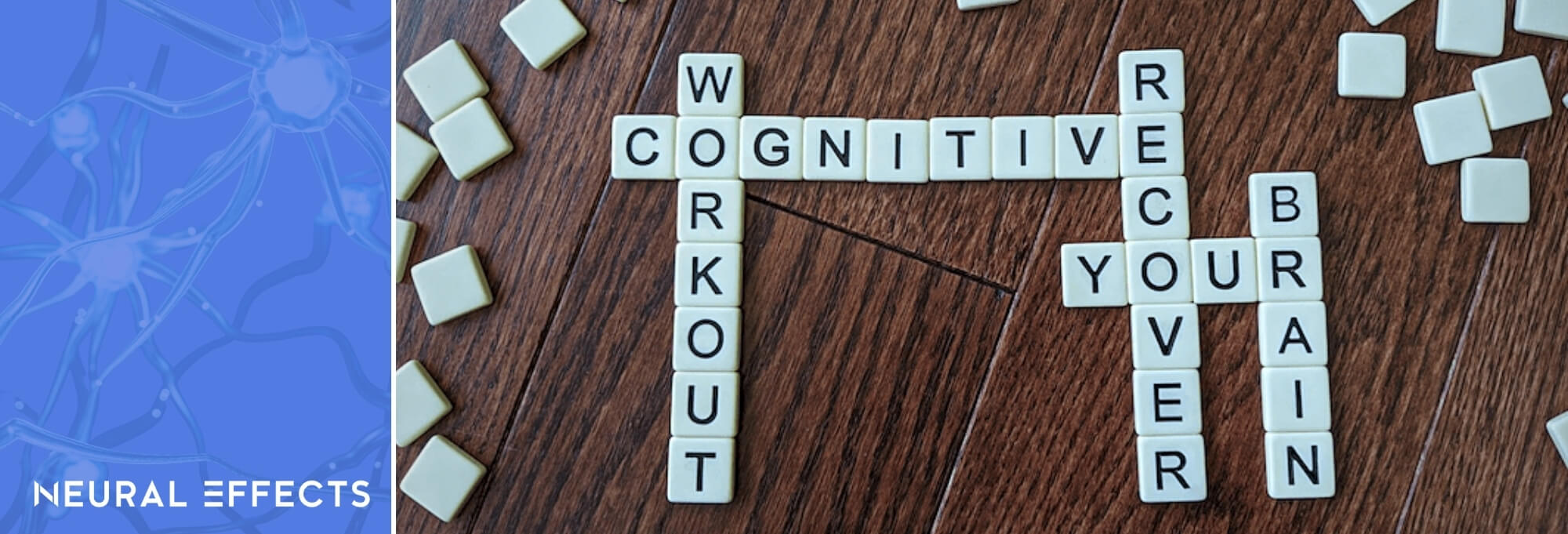
Non-pharmacological approaches are safe, effective, and should be integrated at every stage of dementia.
Engage in Cognitive Stimulation
Structured mental activities preserve cognitive function and improve mood.
Cognitive Stimulation Therapy (CST) involves group sessions 2–3 times weekly focusing on themes like music, food, and nature. Sessions include discussions, games, and creative activities proven to improve memory, attention, and quality of life in mild-to-moderate dementia.
Daily brain exercises like puzzles, crosswords, Sudoku, and memory apps help maintain function. Learning new skills such as playing an instrument, painting, or using technology provides additional benefits. Aim for 30 minutes of enjoyable, low-stress cognitive engagement daily. Avoid frustrating tasks since success builds confidence and motivation.
Promote Physical Activity
Exercise enhances brain blood flow, reduces inflammation, and increases BDNF (brain-derived neurotrophic factor).
Recommended routine includes aerobic exercise for 30 minutes, 5–7 days per week through walking, dancing, or cycling. Strength training should occur 2–3 days per week using resistance bands or light weights. Balance and flexibility work through tai chi or yoga helps prevent falls.
Even light activity like gardening or housework provides benefits when intense exercise is not possible. Physical activity slows cognitive decline in MCI and early dementia while improving sleep, mood, and mobility. It also reduces risk of falls and cardiovascular complications.
Start slow and adapt to ability, since consistency matters more than intensity.
Optimize Nutrition and Supplements
Diet plays a powerful role in brain health and may influence dementia progression.
Follow Brain-Healthy Diets
Three evidence-backed eating patterns reduce cognitive decline.
MIND Diet emphasizes leafy greens (6 or more servings weekly), berries, nuts, whole grains, fish, poultry, and olive oil. It limits red meat, butter, cheese, fried foods, and pastries. This diet is associated with brain aging slowed by 7.5 years.
Mediterranean Diet is rich in vegetables, fruits, legumes, fish, and olive oil with moderate wine. It is linked to 30% lower risk of Alzheimer’s.
DASH Diet was originally for hypertension but also supports brain health while lowering stroke risk, a major contributor to vascular dementia.
Combine elements of all three for maximum protection.
Use Supplements Cautiously
Only certain supplements show promise and only under medical supervision.
• Omega-3 (DHA) supports neuron membranes and has anti-inflammatory effects. Best obtained from fatty fish, though supplements may help early-stage dementia.
• Vitamin B12 and Folate correct deficiency and lower homocysteine. Essential if deficiency is present.
• Vitamin D deficiency is linked to faster decline. Test levels and supplement if low.
• Vitamin E as an antioxidant may slow functional decline but use no more than 400 IU daily. Avoid with anticoagulants.
• Melatonin regulates sleep cycles. Use less than 5 mg at bedtime for sleep issues.
• Zinc plus Vitamin C supports synaptic function at 10–30 mg zinc plus 130–500 mg vitamin C daily.
Avoid unproven supplements like curcumin, resveratrol, or coconut oil, since no strong human evidence supports their use. Always consult a doctor due to potential drug interactions.
Manage Behavioral and Sleep Symptoms
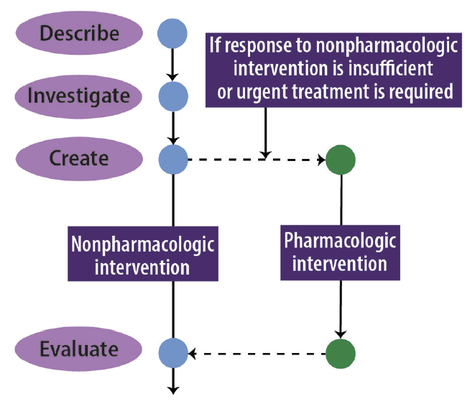
Behavioral and psychological symptoms affect up to 90% of dementia patients and are leading causes of caregiver stress.
Reduce Agitation Without Drugs
Before prescribing antipsychotics, identify and address underlying triggers.
• Pain: Check for infections, constipation, or dental issues.
• Unmet needs: Hunger, thirst, fatigue, or need to urinate.
• Environmental stress: Noise, overcrowding, or poor lighting.
• Overstimulation or understimulation.
Non-drug interventions that work include reminiscence therapy using photos or music to talk about past experiences. Validation therapy acknowledges feelings even if facts are wrong. Distraction techniques redirect attention with favorite activities. Always use a calm tone and simple sentences, avoiding confrontation.
Improve Sleep Hygiene
Sleep disturbances worsen confusion and accelerate decline.
Establish a sleep routine by waking and sleeping at consistent times. Limit daytime naps to 20 minutes or avoid them entirely. Avoid caffeine after noon and dim lights in the evening while increasing natural light in the morning.
Bright light therapy exposes the person to a 10,000 lux lightbox for 30–60 minutes each morning. This resets circadian rhythm, reduces sundowning (evening agitation), and improves sleep quality and daytime alertness.
Consider melatonin starting with 3–5 mg, 30 minutes before bed. It is safe for long-term use with minimal side effects. It does not improve cognition but helps regulate sleep.
Note that donepezil may cause insomnia, so take it in the morning to reduce this risk.
Implement Sensory and Emotional Therapies
Preserved sensory pathways offer powerful ways to connect, calm, and stimulate even in late-stage dementia.
Use Music Therapy Effectively
Music activates deep brain networks and evokes strong emotional memories.
How to apply music therapy involves creating personalized playlists of favorite songs from youth or early adulthood. Play during meals, bathing, or agitation episodes. Encourage singing, tapping, or dancing when possible.
Benefits include reduced agitation and aggression, enhanced mood and social interaction, and improved eating and sleep patterns. Music therapy can be delivered at home with minimal cost and improves quality of life more than any other non-drug intervention.
Apply Aromatherapy and Massage
These therapies reduce anxiety and promote relaxation.
Aromatherapy uses lavender oil to calm agitation when diffused or applied (diluted) to wrists. Lemon balm (Melissa officinalis) has been shown in trials to reduce restlessness and improve calmness. Always use via diffuser, spray, or massage with dilution in carrier oil.
Massage therapy involves gentle hand or foot massage for 10–15 minutes. This reduces cortisol (stress hormone) and increases oxytocin. It is especially helpful during bathing or dressing routines. Combine with soothing music for maximum effect.
Try Acupuncture and Mind-Body Practices
Emerging evidence supports integrative therapies.
Acupuncture involves inserting fine needles at specific points. Studies report improved cognition, sleep, and mood in mild-to-moderate dementia. It is generally safe when performed by licensed practitioners.
Mindfulness and breathing teaches deep diaphragmatic breathing: inhale for 4 seconds, hold for 4, exhale for 6. Practice 10 minutes twice daily. This reduces caregiver and patient stress and may improve attention and emotional regulation.
Even simple breathing exercises can make a meaningful difference.
Create a Safe and Supportive Environment
A well-structured environment reduces confusion, prevents accidents, and supports independence.
Simplify the Living Space
Reduce sensory overload and enhance orientation.
Key adjustments include decluttering rooms and removing unnecessary furniture. Use high-contrast colors, such as a black toilet seat on a white floor. Install motion-sensor nightlights and label drawers and doors with pictures or words.
Visual aids like a large-print calendar and clock showing day, date, and time help with orientation. Family photos with names and a memory board with daily schedule and reminders support independence. Predictable environments reduce anxiety and resistance.
Prevent Wandering and Falls
Safety risks increase as dementia progresses.
Wandering prevention involves installing door alarms or pressure mats. Use GPS tracking devices (wristband or shoe insert) and provide ID bracelets with contact information. Fence the yard with secured gates.
Fall reduction removes rugs, cords, and clutter. Install grab bars in bathrooms and handrails on stairs. Use non-slip mats in showers and kitchens and ensure proper footwear with good grip. Regular vision and hearing checks also reduce fall risk.
Support Caregivers and Plan Ahead
Caregiver well-being is directly linked to patient outcomes, and burnout leads to earlier institutionalization.
Provide Respite and Emotional Support
Caregivers need regular breaks and emotional resources.
Key supports include respite care through home health aides or adult day programs (2–3 days per week). Support groups through the Alzheimer’s Association, online forums, and local centers provide connection. Counseling helps with depression, anxiety, or grief. Educational training covers communication, behavior management, and legal issues.
Even a few hours of weekly relief improves mental health and caregiving quality.
Start Advance Care Planning Early
Critical decisions should be made while the patient can still participate.
Essential steps include creating an advance directive (living will) stating preferences for life-sustaining treatment. Designate a durable power of attorney for healthcare to name a trusted decision-maker. Discuss goals of care regarding hospitalization, intubation, and feeding tubes. Handle legal and financial planning including wills, trusts, and long-term care insurance.
These conversations are difficult but necessary, and delay increases family conflict later.
Prevent and Delay Dementia Onset
Up to 40% of dementia cases may be preventable through midlife lifestyle changes.
Control Cardiovascular Risks
Heart health equals brain health.
Action steps include treating hypertension to a goal of less than 130/80 mmHg. Manage diabetes and cholesterol levels. Quit smoking and use hearing aids if hearing loss is present.
Midlife hypertension is one of the strongest modifiable risk factors for dementia.
Stay Socially and Mentally Active
Cognitive reserve helps the brain compensate for damage.
Protective habits include engaging in lifelong learning through classes, reading, and puzzles. Maintain friendships and community involvement through volunteering, joining clubs, or attending religious services. Learn new skills like languages, instruments, or crafts.
Social engagement reduces depression and delays functional decline.
Avoid Head Trauma and Excessive Alcohol
Protect the brain from avoidable harm.
Wear seatbelts and helmets. Prevent falls at home by removing hazards and improving lighting. Limit alcohol to one drink per day for women and two for men.
Chronic heavy drinking increases dementia risk by 300%.
Key Takeaways for Treating Dementia in Elderly
Treating dementia in the elderly requires a comprehensive, individualized approach that combines multiple strategies. Early diagnosis is critical because some causes of cognitive decline are reversible, such as vitamin deficiencies, thyroid problems, or medication side effects. Identifying the specific type of dementia and its stage ensures treatment is tailored appropriately.
FDA-approved medications like cholinesterase inhibitors (donepezil, rivastigmine, galantamine) and memantine can temporarily stabilize symptoms and slow functional decline. New disease-modifying therapies like lecanemab offer hope for early-stage Alzheimer’s patients, though they require careful monitoring for side effects.
Non-drug therapies are equally important. Cognitive stimulation, physical exercise, brain-healthy diets (MIND, Mediterranean, DASH), and social engagement all contribute to better outcomes. Sensory therapies like music, aromatherapy, and massage improve quality of life effectively.
Creating a safe environment, managing behavioral symptoms without unnecessary medication, and supporting caregivers through respite care and advance planning are essential components of comprehensive dementia care. Preventing dementia through cardiovascular risk management, staying active, and avoiding head trauma and excessive alcohol can reduce risk by up to 40%.
The journey with dementia is challenging, but combining medical treatments with lifestyle interventions, environmental support, and strong caregiver resources offers the best chance to slow decline and maintain dignity. Take action early, involve healthcare providers, and build a support network to navigate this journey with confidence and compassion.
Frequently Asked Questions About Treating Dementia in Elderly
What is the most effective medication for treating dementia in elderly patients?
Cholinesterase inhibitors like donepezil (Aricept), rivastigmine (Exelon), and galantamine (Razadyne) are the most commonly prescribed medications for Alzheimer’s and related dementias. They work by boosting acetylcholine levels in the brain. For moderate-to-severe cases, memantine is often added. Newer disease-modifying drugs like lecanemab target amyloid plaques in early Alzheimer’s but require specific diagnosis and monitoring.
Can dementia be reversed with treatment?
Some types of cognitive decline are reversible when the underlying cause is treated. These include vitamin B12 or folate deficiency, hypothyroidism, medication side effects, normal pressure hydrocephalus, depression, and severe sleep apnea. However, most progressive dementias like Alzheimer’s cannot be reversed, though symptoms can be managed and progression slowed with proper treatment.
What lifestyle changes help slow dementia progression?
Evidence supports several lifestyle interventions. Regular physical exercise (150 minutes weekly) improves brain blood flow and reduces inflammation. Brain-healthy diets like the MIND, Mediterranean, or DASH diets slow cognitive decline. Cognitive stimulation through puzzles, learning new skills, and social engagement builds cognitive reserve. Managing cardiovascular risk factors (blood pressure, diabetes, cholesterol) is also crucial.
How do you manage agitation and behavioral symptoms in dementia patients?
Start by identifying triggers like pain, infection, hunger, thirst, or environmental stress. Non-drug approaches include reminiscence therapy, validation therapy, and distraction techniques. Maintain calm communication and simple instructions. Ensure adequate lighting, reduce noise, and establish predictable routines. Only consider antipsychotic medications as a last resort when safety is at risk.
When should someone with dementia consider moving to a care facility?
Consider moving to a care facility when the person’s safety is at risk at home, caregiver burnout is severe, or the person’s needs exceed what can be managed at home. Signs include frequent falls, wandering, inability to manage medications, aggression, or 24-hour supervision needs. Early planning and discussing preferences while the person can participate helps make this transition smoother.
How can caregivers prevent burnout while caring for someone with dementia?
Caregivers should seek regular respite through adult day programs, home health aides, or family help. Join support groups for emotional connection and practical advice. Take breaks even briefly each day and maintain personal health through exercise and proper nutrition. Accept help when offered and consider counseling if feeling overwhelmed. Remember that caregiver well-being directly impacts the quality of care they can provide.