
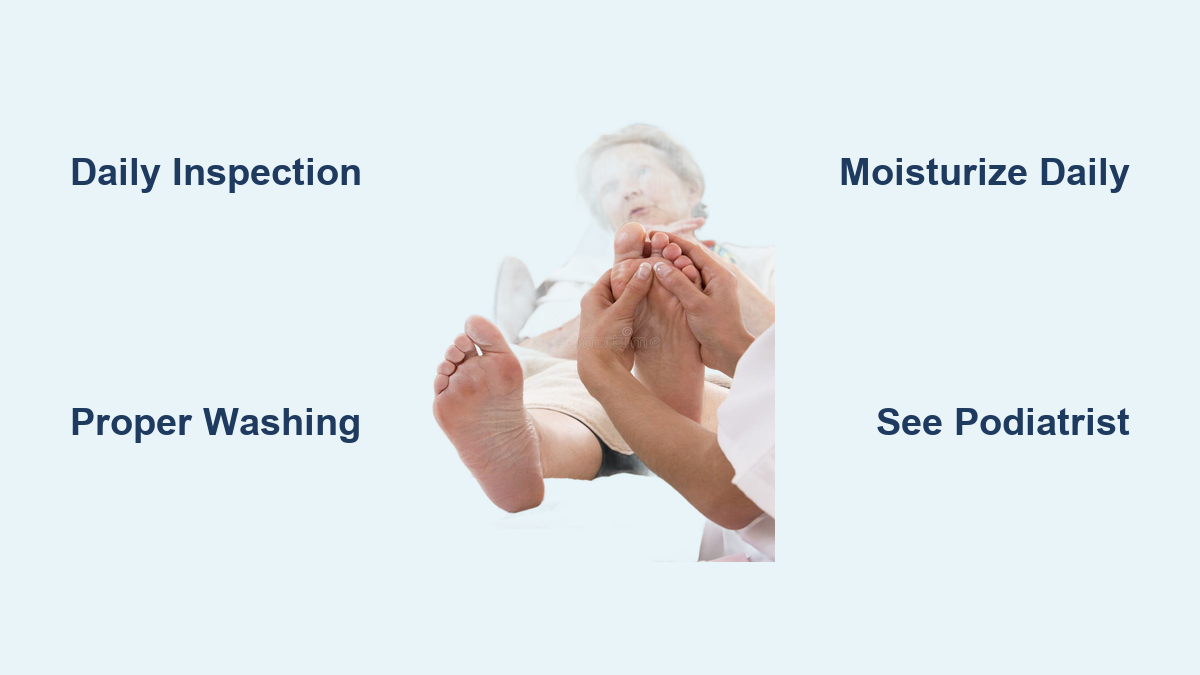
If you’re caring for an aging loved one—or are navigating your own senior years—you may have noticed changes in your feet: dry skin, thick nails, aching arches, or difficulty finding comfortable shoes. These aren’t just signs of getting older—they’re signals that foot care becomes more critical than ever in later life. With one-quarter of all bones in the body located in the feet, and up to 87% of adults experiencing foot pain at some point, neglecting senior foot health can lead to falls, infections, chronic pain, and even amputation, especially for those with diabetes. The good news? Most foot problems in older adults are preventable with simple, daily habits.
This guide delivers a clear, actionable plan to keep elderly feet healthy, mobile, and pain-free, covering everything from daily inspection and proper footwear to when to see a podiatrist.
Daily Foot Inspection Catches Problems Early

Checking feet every day is the single most important step in preventing serious complications, especially for seniors with diabetes or poor circulation. A small unnoticed blister can turn into a dangerous ulcer in just days.
What to Look for During Your Check
Use a long-handled mirror or smartphone camera to examine every surface: soles, heels, tops, sides, and between toes. Watch for these warning signs:
• Cuts, blisters, or sores, even tiny ones
• Redness, swelling, or warmth, which signals infection
• Discoloration such as pale, blue, or black skin indicating poor blood flow
• Cracks or deep fissures in the heels
• Calluses, corns, or thickened skin
• Nail changes like yellowing, thickening, or ingrown edges
Who Needs Help With Inspection
Seniors with poor eyesight, limited mobility, or neuropathy should never skip this step. Caregivers or family members should assist with daily checks. Up to 80% of diabetic amputations are preventable with daily foot inspection and early treatment.
Proper Washing and Drying Prevents Infection
Keeping feet clean and dry prevents infections, odor, and skin breakdown. The way you wash and dry matters as much as doing it daily.
Wash Feet the Right Way
Use lukewarm water and test with your elbow if sensation is impaired. Choose a mild, fragrance-free soap. Soak feet for 10 to 15 minutes only if skin is intact. Avoid soaking feet if you have open wounds or diabetes, as prolonged moisture can break down skin. Adding one-half cup of Epsom salts can soothe sore feet, but do not overuse.
Dry Thoroughly Every Time
Pat feet dry with a soft towel and never rub. Focus especially on the spaces between toes, as moisture here breeds fungus. If vision or flexibility is limited, use a caregiver or a handheld dryer on a cool setting. Never walk barefoot after washing. Put on dry socks or slippers immediately to avoid slips and contamination.
Moisturize to Prevent Painful Cracks
Dry, thin skin is common in older adults and can lead to painful fissures and infection. Regular moisturizing is essential to maintain skin integrity.
Choose the Right Foot Cream
Use urea-based lotions containing 10 to 20% urea or lanolin-containing formulas. Pick fragrance-free, hypoallergenic products to avoid skin irritation. Apply once daily, preferably after washing when skin is clean and pores are open.
Apply Moisturizer Correctly
Cover the soles, heels, and tops of feet with your chosen cream. Avoid applying between toes, as excess moisture encourages fungal growth. For severe dryness, apply at night and wear cotton socks to lock in moisture. Cracked heels aren’t just uncomfortable—they can become entry points for infection.
Safe Toenail Trimming Prevents Ingrown Nails
Thick, brittle nails are hard to cut and prone to ingrown toenails if trimmed incorrectly. Proper technique matters enormously.
Trim Nails the Safe Way
Cut straight across and never round the corners. Leave 1 to 2 millimeters of white nail tip visible. File edges gently with an emery board to smooth rough edges. Use sharp, clean clippers designed specifically for thick nails.
When to Skip DIY Nail Care
See a podiatrist for professional nail trimming instead of doing it yourself if you have diabetes, peripheral neuropathy or poor circulation, thickened or fungal nails, or poor vision or hand arthritis. Improper trimming is a leading cause of foot ulcers and infections in seniors. Schedule professional nail care every 6 to 8 weeks if you are high-risk.
Choose Socks That Protect Senior Feet
The right socks do more than keep feet warm. They protect skin, wick moisture, and prevent pressure sores that can lead to serious complications.
Best Materials for Senior Socks
Choose merino wool or synthetic blends that wick moisture away from the skin. Avoid 100% cotton, as it traps sweat and stays damp. Look for seamless or flat-seam designs to reduce friction and skin irritation.
Special Socks for High-Risk Seniors
Diabetic socks feature non-binding tops, extra cushioning, and antimicrobial fabric. Compression socks help with swelling or venous issues but should only be worn if prescribed by a doctor. Wear clean, dry socks every day and change immediately if feet get sweaty or damp. Rotate shoes to let them dry out, as damp interiors breed bacteria and fungus.
Wear Supportive Shoes to Prevent Pain and Falls

Ill-fitting shoes are a top cause of foot pain, corns, and falls in seniors. Choosing the right footwear is one of the most impactful changes you can make.
Key Features Every Senior Shoe Should Have
Look for these essential elements when shopping for shoes:
• Wide toe box to prevent bunions, hammertoes, and nail damage
• Cushioned soles to replace lost fat padding and reduce joint stress
• Firm heel counter to stabilize the foot and prevent slipping
• Non-slip outsole to reduce fall risk on hard floors
• Secure fastening using laces or Velcro to ensure proper fit
• Low heel of 1 inch or less to prevent forefoot overload
• Lightweight, breathable material to prevent overheating and odor
Well-cushioned running shoes often meet all these needs and are ideal for daily wear.
How to Fit Shoes Correctly
Get measured every time you buy shoes, as feet grow wider and longer with age. Shop in the afternoon when feet are slightly swollen. Wear the same socks you will use with the shoes. Allow one-half inch, about a thumb’s width, between your longest toe and the shoe tip. Walk around the store to test comfort and fit before buying.
When to Replace Worn Shoes
Change athletic shoes every 6 to 12 months or after 300 to 500 miles of use. Discard shoes with uneven sole wear, collapsed heels, loss of cushioning, or loose straps or laces. Worn-out shoes increase fall risk, joint pain, and blister formation.
Boost Circulation With Daily Movement
Poor blood flow and weak muscles make feet more vulnerable to injury and slow healing. Simple daily moves can dramatically improve foot health.
Simple Foot Exercises to Do at Home
Incorporate these exercises into your routine:
• Ankle circles, 10 in each direction
• Toe curls and spreads to strengthen intrinsic muscles
• Towel scrunches, using toes to pull a towel toward your body
• Marble pickups, using toes to move marbles into a cup
Walk at least 15 minutes a day to boost circulation and foot strength. Try low-impact activities like swimming or cycling for additional benefits.
Stretch to Prevent Stiffness
Perform the Achilles stretch by leaning into a wall with one leg back and heel pressed down. Do the plantar fascia stretch by gently pulling toes toward your shin. Hold each stretch for 30 seconds and repeat 2 to 3 times daily.
Improve Blood Flow Through Positioning
Elevate feet when sitting to reduce swelling. Use a footrest or ottoman. Never cross your legs, as it restricts circulation. Avoid heating pads or hot water bottles, as neuropathic feet cannot feel burns.
See a Podiatrist for Professional Foot Care
Professional foot care is not a luxury. It is essential for catching problems early and maintaining long-term foot health in seniors.
What Podiatrists Treat
Podiatrists diagnose and treat bunions, hammertoes, corns, calluses, warts, ingrown toenails, plantar fasciitis, ulcers and infections, and diabetic foot complications. They can also debride thick calluses, provide medical pedicures for high-risk patients, prescribe custom orthotics, order imaging like X-ray or Doppler, and refer to vascular specialists if needed.
How Often Seniors Should Visit
All seniors should see a podiatrist at least once a year. Diabetics should visit every 3 to 6 months. Those with neuropathy, prior ulcers, or other high-risk conditions should go as directed by their doctor.
Special Care for Diabetes and Chronic Conditions

Certain health issues require extra foot protection. Seniors with diabetes or circulation problems face the highest risk of serious complications.
Diabetes Foot Protection Essentials
Never walk barefoot, indoors or out. Check feet daily, as neuropathy hides injuries from you. Control blood sugar, as it affects healing. Wear diabetic shoes and socks every day. Get annual foot screenings including the monofilament test to check sensation, pulse check, and Doppler ultrasound if circulation is poor. Eighty-five percent of lower-limb amputations in diabetics start with a foot ulcer, and most are preventable.
Managing Arthritis in the Feet
Wear cushioned, supportive shoes to reduce joint stress. Use custom orthotics to redistribute pressure evenly across your feet. Apply heat or cold for pain relief as directed. Stay active with gentle range-of-motion exercises to maintain flexibility.
Warning Signs of circulation Problems
Watch for cold, pale, or bluish feet, leg pain when walking, and slow-healing wounds. Stop smoking, control blood pressure and cholesterol, and report non-healing sores immediately.
Prevent Senior Foot Problems With Daily Habits
Small, consistent habits add up to big foot health benefits over time. Making these practices part of your daily routine protects mobility and independence.
Essential Lifestyle Habits
Maintain a healthy weight, as every 5 to 10% weight loss reduces foot pressure and pain. Never go barefoot. Always wear supportive slippers or shoes indoors and closed-toe shoes outdoors. Remove rugs, cords, and clutter to prevent trips. Install grab bars and non-slip mats in bathrooms. Ensure bright lighting in hallways and bedrooms.
Quick Self-Care Techniques
Roll your foot over a tennis ball to loosen tight arches. Gently pull each toe to maintain flexibility. Rub moisturizer into heels and soles during TV time to make the habit effortless.
When to Seek Immediate Medical Help
Some foot issues need urgent care. Do not wait weeks to see if problems improve.
Red Flags Requiring Prompt Attention
Seek medical attention for open sores or ulcers that do not heal within 3 days, pus or increasing redness with fever, sudden swelling or discoloration including blue, black, or pale skin, ingrown toenails with severe pain or drainage, deep cracks that bleed, numbness, tingling, or burning indicating possible neuropathy, and persistent heel or foot pain that limits walking. If a foot problem does not improve within three weeks, see a professional.
Key Takeaways for Protecting Elderly Feet
Caring for elderly feet is not complicated, but it must be consistent. Think of it as maintenance for your mobility. With daily inspection, proper shoes, moisturizing, and regular podiatrist visits, most seniors can avoid pain, stay active, and protect their independence. For those with diabetes or circulation issues, these habits are not just helpful, they are life-saving.
Start today by picking one habit, like daily foot checks or replacing old shoes, and making it routine. Healthy feet mean more walks, fewer falls, and a better quality of life at any age.
Frequently Asked Questions About Elderly Foot Care
How often should I inspect an elderly person’s feet?
Check feet every day, ideally at the same time each day. This consistency helps you notice changes quickly and build a reliable habit.
What should I look for when checking elderly feet?
Look for cuts, blisters, sores, redness, swelling, discoloration, cracks, calluses, corns, and nail changes. Any of these could signal a problem needing attention.
Should elderly people see a podiatrist regularly?
Yes. All seniors should see a podiatrist at least once a year. Those with diabetes should go every 3 to 6 months, as they face higher risk of complications.
What are the best shoes for elderly feet?
Choose shoes with a wide toe box, cushioned soles, firm heel counter, non-slip outsole, and secure fastening. Running shoes often meet all these criteria and work well for daily wear.
Can I trim an elderly person’s toenails at home?
Only if they have no diabetes, neuropathy, poor circulation, or vision problems. Otherwise, see a podiatrist for safe professional trimming every 6 to 8 weeks.