
Is your aging feline moving more slowly, sleeping more, or seeming less interested in play? You’re not alone. As cats enter their golden years, typically around 12 to 14 years old, their bodies and minds change in ways that demand thoughtful care. The good news: with the right support, senior cats can enjoy a high quality of life well into their late teens or even early twenties. This guide shows you exactly how to make a senior cat comfortable, using proven strategies from veterinary experts and animal behaviorists.
Biannual Vet Checkups Are Crucial
Catching health issues early can extend your cat’s life and prevent suffering. Regular vet visits are the foundation of senior cat comfort.
Start Geriatric Screenings at Age 10
Even if your cat seems healthy, annual or biannual wellness exams should begin by age 10. For cats 15 and older, some vets recommend checkups every 4 to 6 months. These visits should include blood chemistry panel, complete blood count, urinalysis, thyroid testing, blood pressure measurement, and dental exam. These tests often uncover silent conditions like kidney disease, hyperthyroidism, or diabetes before symptoms appear.
Watch for Warning Signs at Home
You know your cat best. Track changes in behavior and report them promptly. Increased thirst or urination may indicate kidney disease or diabetes. Weight loss despite eating could signal hyperthyroidism. Limping or reluctance to jump often points to arthritis. Matted fur or greasy coat suggests pain or weakness affecting grooming. Nighttime vocalization may mean cognitive decline or pain. Don’t dismiss changes as just old age. Most are treatable.
Use Telehealth for Low-Stress Consultations
Many vets now offer telehealth appointments for minor concerns. This reduces stress from travel while still giving you professional advice. It’s ideal for frail or anxious seniors.
Make Your Home Senior-Cat Friendly
Aging cats struggle with movement, balance, and sensory perception. Modify your home to meet their evolving needs.
Install Ramps and Steps for Easy Access
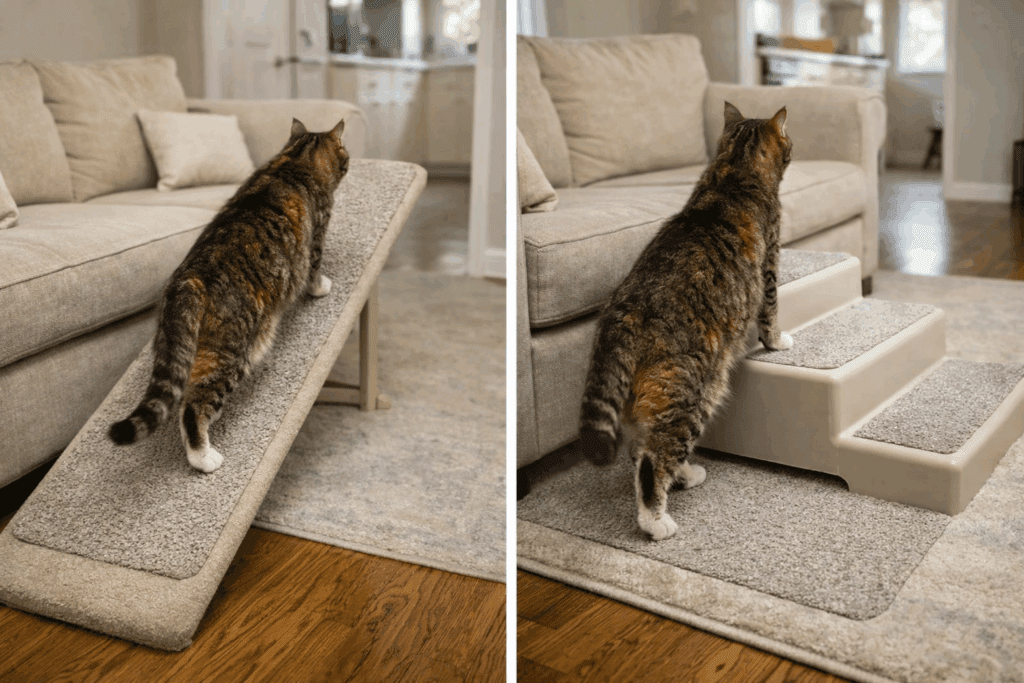
Arthritis makes jumping painful. Help your cat reach favorite spots with pet stairs or box steps to beds, sofas, or windowsills. Ramps with non-slip surfaces work well too. Low platforms between furniture create stepping stones. Place these near your cat’s preferred perches so they don’t miss out on bird-watching or sunbathing.
Prevent Slips on Smooth Floors
Slippery tiles or hardwood increase fall risk. Add safety with non-slip rugs or carpet runners in hallways. Rubber-backed mats near food, water, and litter boxes help. Avoid waxing or polishing floors frequently. Cats with weak hind legs especially benefit from traction support.
Secure Dangerous Areas
Vision and hearing loss make navigation harder. Protect your cat by installing window screens or catios for safe outdoor views. Block access to balconies, open windows, or stairwells. Store toxins like cleaners and plants out of reach. Even curious seniors need a secure environment.
Optimize Litter Box Accessibility

Inappropriate elimination is often mislabeled as behavioral when it’s actually a comfort issue.
Choose Low-Sided Boxes
High walls are hard to climb over. Use litter boxes with front-entry cutouts. Large plastic storage bins with one side trimmed down work well. Reusable baking sheets filled with litter offer a budget-friendly option. Ensure the entrance is no more than 4 inches high.
Place Boxes on Every Floor
Eliminate stair use by having at least one box per level. Keep them in quiet, low-traffic areas. Never place boxes next to noisy appliances.
Clean Daily and Use Soft Litter
Older cats are pickier. Scoop once or twice daily. Use unscented, fine-grained litter to avoid paw irritation. Replace full box every 1 to 2 weeks. Maintain one box per cat plus one extra in multi-cat homes.
Provide Supportive, Warm Sleeping Spots
Senior cats sleep 16 to 20 hours a day. Their beds should relieve pain and retain warmth.
Pick the Right Bed Type
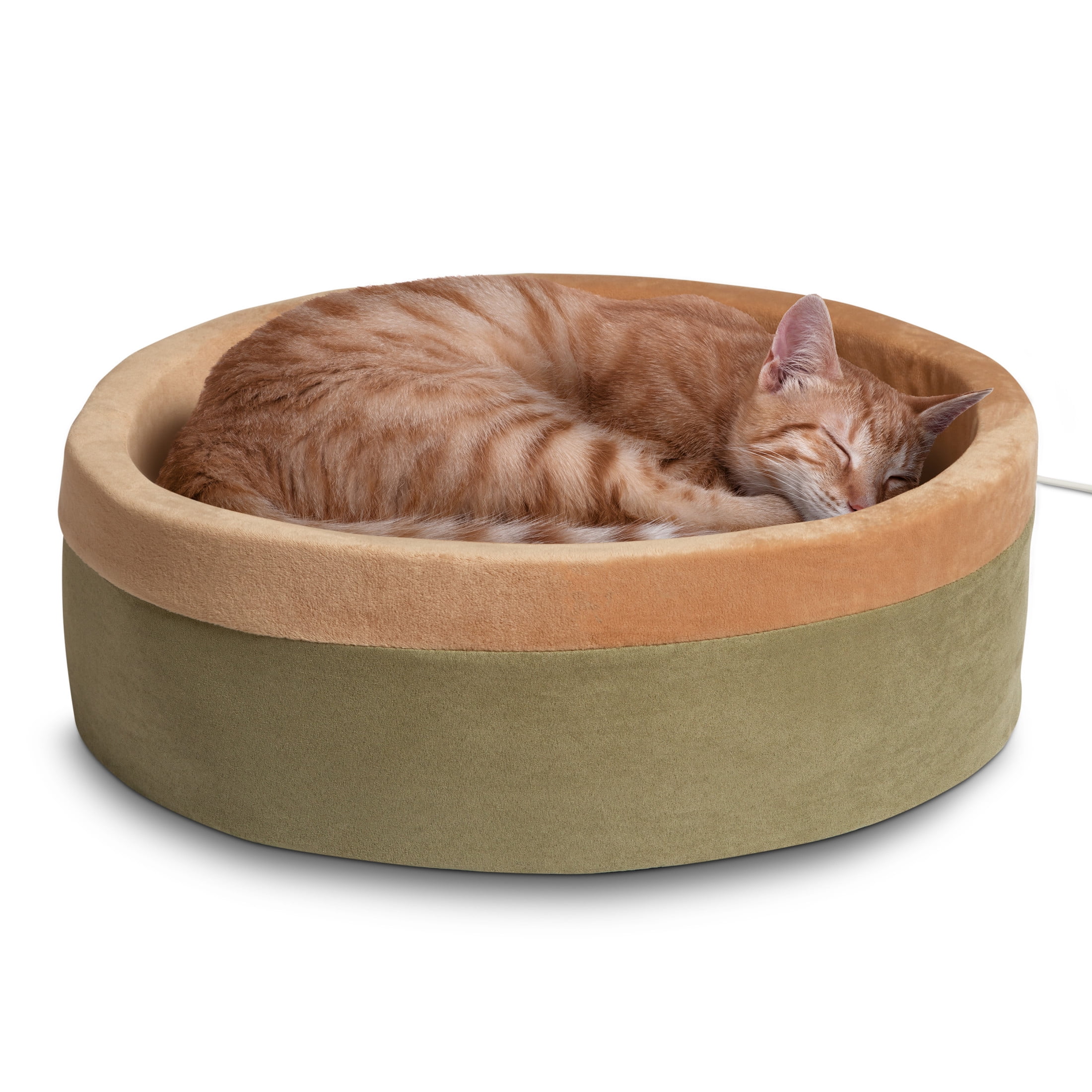
Look for memory foam padding to cushion achy joints. Walled or cave-style designs provide warmth and security. Washable, soft covers in fleece or plush work well. Heated beds with auto-shutoff are safe options. Never use human heating pads.
Position Beds Strategically
Avoid cold drafts and hard floors. Ideal placement includes away from vents, doors, or windows. Slightly elevated beds, 2 to 6 inches, reduce strain when rising. Near family activity areas provides companionship without disturbance. Offer multiple beds in different rooms so your cat can follow warmth or light.
Feed a Senior-Appropriate Diet

Nutrition directly impacts energy, coat health, and organ function.
Prioritize Hydration to Protect Kidneys
Chronic kidney disease is common in older cats. Fight dehydration with wet food daily, which contains 70 to 80 percent moisture versus 10 percent in dry food. Water fountains attract interest because moving water appeals to cats. Multiple water stations around the house encourage drinking. Broth or tuna water added to meals boosts intake. Warm food slightly to enhance smell since older cats often lose scent sensitivity.
Choose High-Quality, Joint-Supportive Food
Ideal senior cat diet includes high animal-based protein to maintain muscle. Reduced phosphorus supports kidney health. Omega-3 fatty acids benefit joints and skin. Glucosamine and chondroitin support cartilage. Antioxidants like vitamins E and C boost brain and immune health. Ask your vet about prescription diets if your cat has specific conditions.
Adjust Feeding Setup
Ease mealtime discomfort with elevated bowls, 4 to 6 inches, to reduce neck strain. Wide, shallow dishes prevent whisker stress. Small, frequent meals help if appetite declines. Warm food to body temperature to boost aroma and appeal.
Keep the Mind Active and Engaged
Cognitive decline affects up to 50 percent of cats over 15. Enrichment slows mental aging.
Use Puzzle Feeders and Foraging Games
Turn meals into brain workouts with treat-dispensing balls or snuffle mats. Hide kibble in paper bags or cardboard tubes. Rotate toys weekly to maintain interest. Start simple and increase difficulty as your cat adapts.
Train with Short, Positive Sessions
Even older cats can learn. Try five-minute daily training using clicker or treats. Teach touch by targeting your cat’s nose to a stick. Reward calm focus rather than speed. This builds confidence and strengthens your bond.
Offer Sensory Stimulation
Engage all five senses safely. Window perches with bird feeders outside provide visual entertainment. Cat-specific videos of birds or fish on a tablet engage sight. Catnip, silver vine, or valerian root in a scent box stimulate smell. Calming music designed for feline hearing soothes. Rotate stimuli weekly to prevent boredom.
Encourage Gentle Physical Activity
Movement preserves muscle, prevents stiffness, and boosts mood.
Play with Low-Impact Toys
Keep sessions short and calm. Feather wands waved slowly near the floor work well. Laser pointers engage cats, but end with a physical toy so your cat catches something. Crumpled paper balls provide batting fun. Chasing one kibble at a time across carpet encourages movement. Aim for 5 to 10 minutes, 1 to 2 times daily.
Provide Scratching and Stretching Outlets
Scratching maintains claw health and stretches stiff muscles. Offer horizontal and vertical scratchers. Low-height posts within easy reach encourage use. Cardboard or sisal surfaces appeal to most cats. Replace worn scratchers regularly.
Avoid Adding a Kitten for Company
Contrary to myth, kittens stress most senior cats. Their loud play, sudden movements, and invasion of space cause anxiety, hiding, or aggression. If you want another pet, adopt a calm adult cat instead.
Support Grooming and Hygiene Needs
Older cats may stop grooming due to pain or fatigue, leading to mats, odor, and skin issues.
Brush Daily
Use a soft-bristle or rubber grooming mitt. This removes loose fur and prevents mats. It stimulates blood flow and natural oils. It also lets you check for lumps, sores, or fleas. Pay extra attention to the back, tail base, and belly.
Trim Nails Every 2 to 4 Weeks
Overgrown nails can curl into the paw pad. Use cat clippers and trim just the tip, avoiding the pink quick. Reward with treats. File sharp edges. If you’re unsure, ask your vet or groomer to demonstrate.
Clean Face and Paws Gently
Use a warm, damp cloth to wipe eyes and remove crust. Clean the mouth area if food sticks. Wipe paws, especially between toes. Do this during quiet bonding time.
Adapt to Sensory Loss
Vision and hearing loss are common but manageable with small adjustments.
Help a Blind Cat Navigate
Keep furniture and key items in the same place. Use textured mats to mark paths like routes to the litter box. Install nightlights in hallways and bathrooms. Call your cat’s name before touching them. They’ll rely on memory and touch. Consistency is key.
Communicate with a Deaf Cat
Approach from the front so they see you. Stomp lightly to create vibrations. Use hand signals like flat palm for stop. Flash lights to get attention. Never startle them. Always let them know you’re nearby. Deaf cats should be indoor-only for safety.
Maintain Emotional Stability and Routine
Senior cats thrive on predictability and quiet affection.
Stick to a Consistent Schedule
Feed, play, and interact at the same times daily. Predictability reduces anxiety and confusion. This is especially important in cats with cognitive decline.
Minimize Household Disruptions
Avoid frequent furniture rearrangements. Limit loud parties or visitors. Don’t introduce new pets unless carefully managed. If changes are unavoidable, ease into them gradually.
Bond Through Quiet Presence
You don’t need constant interaction. Comfort comes from gentle petting along the head or chin. Slow blinking communicates love. Simply sitting nearby while reading or watching TV provides companionship. Let your cat choose when to engage.
Debunk Common Senior Cat Myths
Misconceptions can lead to neglect or poor decisions.
Myth: A Kitten Will Make My Old Cat Young Again
This is false. Most seniors find kittens overwhelming. The noise, chasing, and competition for resources cause stress, not joy. Worse, owners often shift attention to the kitten, leaving the senior cat feeling neglected.
Myth: Behavior Changes Are Just Aging
This is false. Any shift in habits, sleeping more, avoiding jumps, crying at night should be vet-checked. Conditions like arthritis, hyperthyroidism, or cognitive dysfunction are treatable.
Myth: Outdoor Time Is Good for Exercise
This is risky. Older cats have slower reflexes and weaker immune systems. They face greater danger from predators, cars, and disease. Instead, offer safe outdoor time via catios, harness walks if tolerated, or stroller rides for sensory enrichment.
Final Tips for Long-Term Comfort
Small, consistent actions make the biggest difference in your cat’s golden years.
Use the HHHHHMM Scale to Assess Quality of Life
This vet-recommended tool evaluates hurt, hunger, hydration, hygiene, happiness, mobility, and more good days than bad. Score each category. If most are positive, your cat is thriving.
Work Closely with Your Veterinarian
Your vet is your partner. Share observations, ask about supplements like joint support, and update care plans as your cat ages.
Frequently Asked Questions About Senior Cat Comfort
At What Age Is a Cat Considered Senior?
Cats are generally considered senior at 12 to 14 years of age. Some veterinarians start using the term around 10 years. Geriatric cats are typically those 15 years and older.
How Often Should I Take My Senior Cat to the Vet?
Biannual checkups are recommended for cats over 10 years old. For cats 15 and older, some vets suggest visits every 4 to 6 months to catch issues early.
What Are Signs of Pain in Senior Cats?
Signs include reluctance to jump or climb, matted fur from reduced grooming, changes in appetite, increased sleeping, hiding, or aggression when touched. Any sudden behavior change warrants a vet visit.
Should I Change My Senior Cat’s Diet?
Yes, senior cats benefit from high-quality protein, reduced phosphorus, omega-3 fatty acids, and moisture-rich food. Wet food helps with hydration. Your vet can recommend specific formulas based on your cat’s health.
How Can I Help My Senior Cat With Mobility Issues?
Install ramps or steps to favorite spots. Use low-sided litter boxes. Place non-slip mats on slippery floors. Provide supportive, elevated beds. Consider joint supplements recommended by your vet.
Is It Normal for Senior Cats to Sleep More?
Yes, senior cats sleep 16 to 20 hours daily. However, excessive sleep combined with other changes like weight loss or decreased appetite may indicate health issues. Monitor closely and consult your vet.
Key Takeaways for Keeping Your Senior Cat Comfortable
Creating a comfortable life for your senior cat requires attention to multiple areas. Regular veterinary care catches problems early and prevents suffering. Environmental modifications like ramps, non-slip mats, and accessible litter boxes make daily life easier. Proper nutrition and hydration support organ health and energy levels. Mental stimulation through puzzle feeders and sensory enrichment maintains cognitive function. Gentle exercise preserves mobility while strengthening your bond.
Small, consistent changes dramatically improve your cat’s quality of life. Observe your cat’s preferences and adjust accordingly. Work closely with your veterinarian to tailor care to your individual cat’s needs. With patience and love, you can ensure your senior cat enjoys their golden years in comfort and dignity.