
Fever in the elderly is a medical concern that demands prompt attention. Unlike younger adults, older individuals often have a blunted immune response, meaning a fever—even a mild one—can signal a serious underlying infection. A body temperature of 100.4°F (38°C) or higher is considered a fever in seniors and may indicate conditions like pneumonia, urinary tract infections, or sepsis. Because older adults may not show classic symptoms like chills or flushed skin, fever can go unnoticed until complications arise.
Managing fever in the elderly involves more than just lowering body temperature. It requires careful monitoring, hydration, and knowing when to seek medical help. This guide provides actionable steps to safely reduce fever in older adults while minimizing risks. You will learn how to measure temperature accurately, use non-drug methods effectively, choose the right medication, and recognize red flags that require emergency care.
Recognize Atypical Fever Symptoms in Seniors
Elderly individuals often present with subtle or atypical signs of fever, making early detection challenging. Traditional indicators like sweating or shivering may be absent, especially in those with dementia or chronic illness. Caregivers must remain vigilant for changes that might otherwise be dismissed as normal aging.
Watch for Non-Specific Signs
Fever in older adults may manifest through non-classical symptoms that require immediate attention.
• Sudden confusion or delirium, often the only sign of infection
• Lethargy or extreme fatigue, with unusual drowsiness despite adequate rest
• Loss of appetite or refusal to eat and drink without clear reason
• Functional decline, including difficulty walking, dressing, or using the bathroom independently
• Falls or dizziness resulting from fever-induced weakness or low blood pressure
• Agitation or mood changes such as new-onset restlessness or irritability
These symptoms can mimic aging or dementia but may actually indicate a treatable infection. Caregivers should treat any sudden behavioral or functional change as a potential sign of fever, even if no temperature is taken.
Use Accurate Temperature Measurement
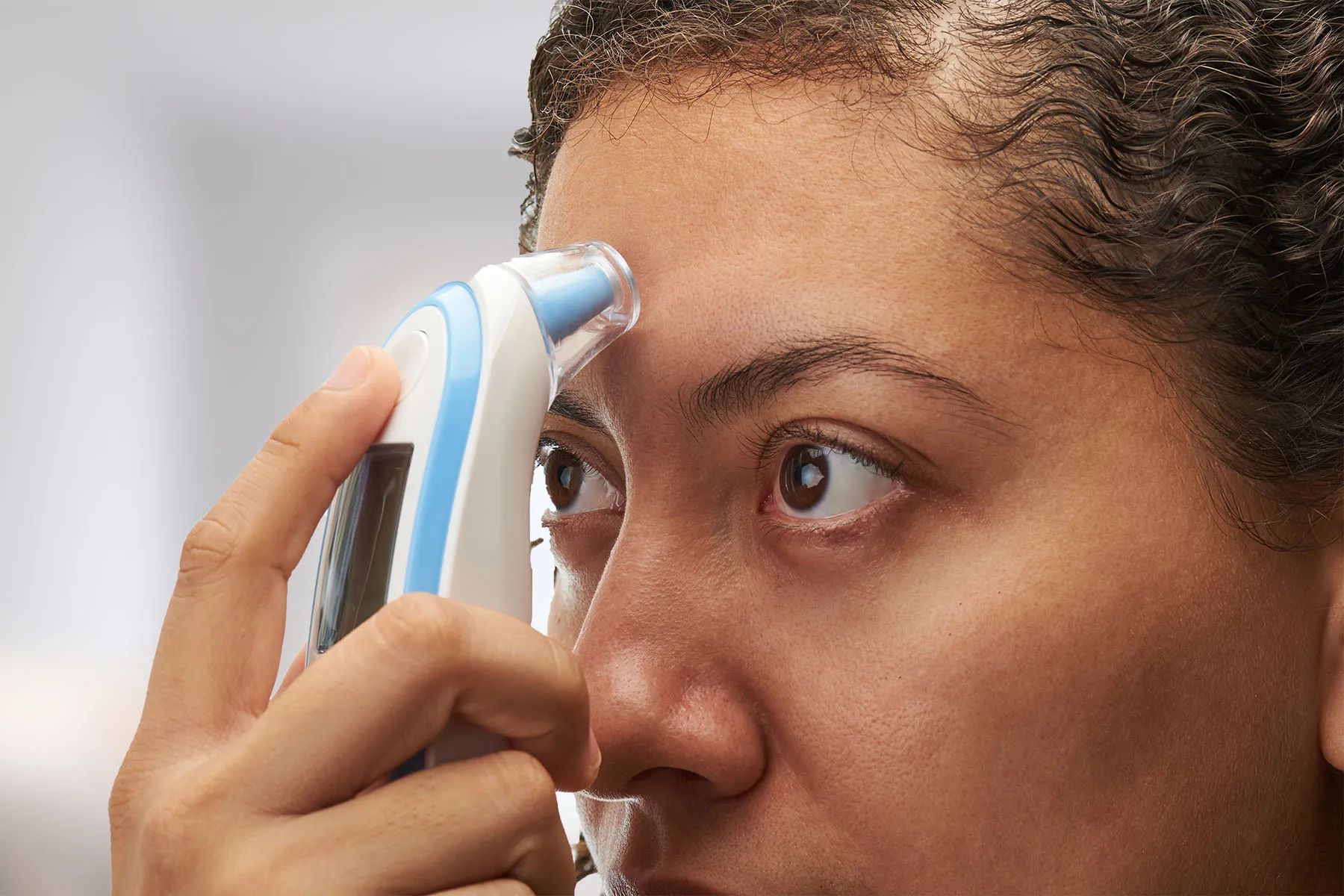
Correct thermometer use is essential for early detection. Inaccurate readings can delay treatment and increase the risk of complications. The method and device chosen matter significantly in this age group.
Choose the Right Thermometer
Selecting an appropriate thermometer improves accuracy and compliance.
• Temporal artery thermometer: best for elderly use, non-invasive, fast, and reliable
• Digital thermometer: safe for oral or underarm use; ensure proper cleaning between uses
Avoid tympanic thermometers due to wax buildup affecting accuracy. Never use rectal thermometers in frail or anticoagulated seniors due to injury risk.
Follow Proper Technique
For axillary measurement, follow these steps to ensure accuracy.
- Dry the armpit completely before placing the thermometer.
- Place the thermometer tip against bare skin.
- Hold the arm tightly across the chest.
- Wait for the beep before reading the temperature.
Check temperature twice daily, morning and evening, to establish a baseline. In nursing homes or home care settings, routine monitoring helps catch infections early, especially in non-verbal patients.
Maintain Hydration and Nutrition
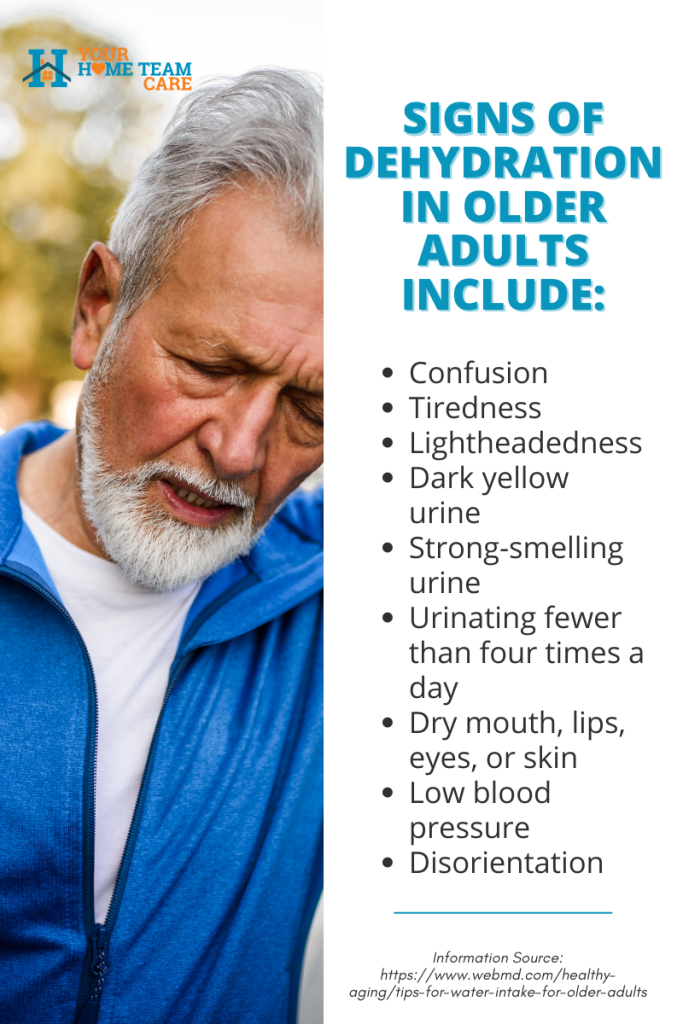
Dehydration worsens fever and increases the risk of delirium, falls, and hospitalization. Older adults have reduced thirst sensitivity, so fluids must be offered frequently rather than waiting for requests.
Promote Fluid Intake
Keeping the patient hydrated supports natural cooling and prevents complications.
• Offer water, clear broths, herbal teas, or oral rehydration solutions
• Use small, frequent sips if nausea is present
• Avoid caffeine and alcohol as they increase fluid loss
Monitor for signs of dehydration, including dry mouth or tongue, sunken eyes, low urine output with dark yellow color, and lethargy or dizziness.
Support Light Nutrition
When appetite allows, providing easy-to-digest foods helps maintain energy.
• Serve soft foods like bananas, toast, rice, applesauce, or yogurt
• Offer small meals every two to three hours
• Do not force eating, but encourage calorie intake to support immune function
Optimize Environment and Comfort
Creating a cool, restful environment supports natural cooling and improves comfort without medication. Small adjustments can make a significant difference in how the body regulates temperature.
Keep Room Temperature Ideal
Maintain room temperature between 68°F and 72°F (20°C to 22°C). Use fans or open windows for airflow, but avoid direct drafts on the patient.
Dress for Heat Dissipation
Proper clothing choices help the body release heat naturally.
• Use lightweight cotton clothing that breathes
• Replace heavy blankets with light sheets
• Add extra layers only during chills, and remove them once shivering stops
Apply External Cooling Safely
External cooling methods can provide relief when used correctly.
• Use cool compresses on the forehead, neck, or wrists
• Try a lukewarm sponge bath, focusing on armpits and groin areas
• Never use ice packs or cold water as they trigger shivering, which raises core temperature
Allow water to evaporate naturally to enhance cooling through convection.
Administer Safe Fever-Reducing Medications
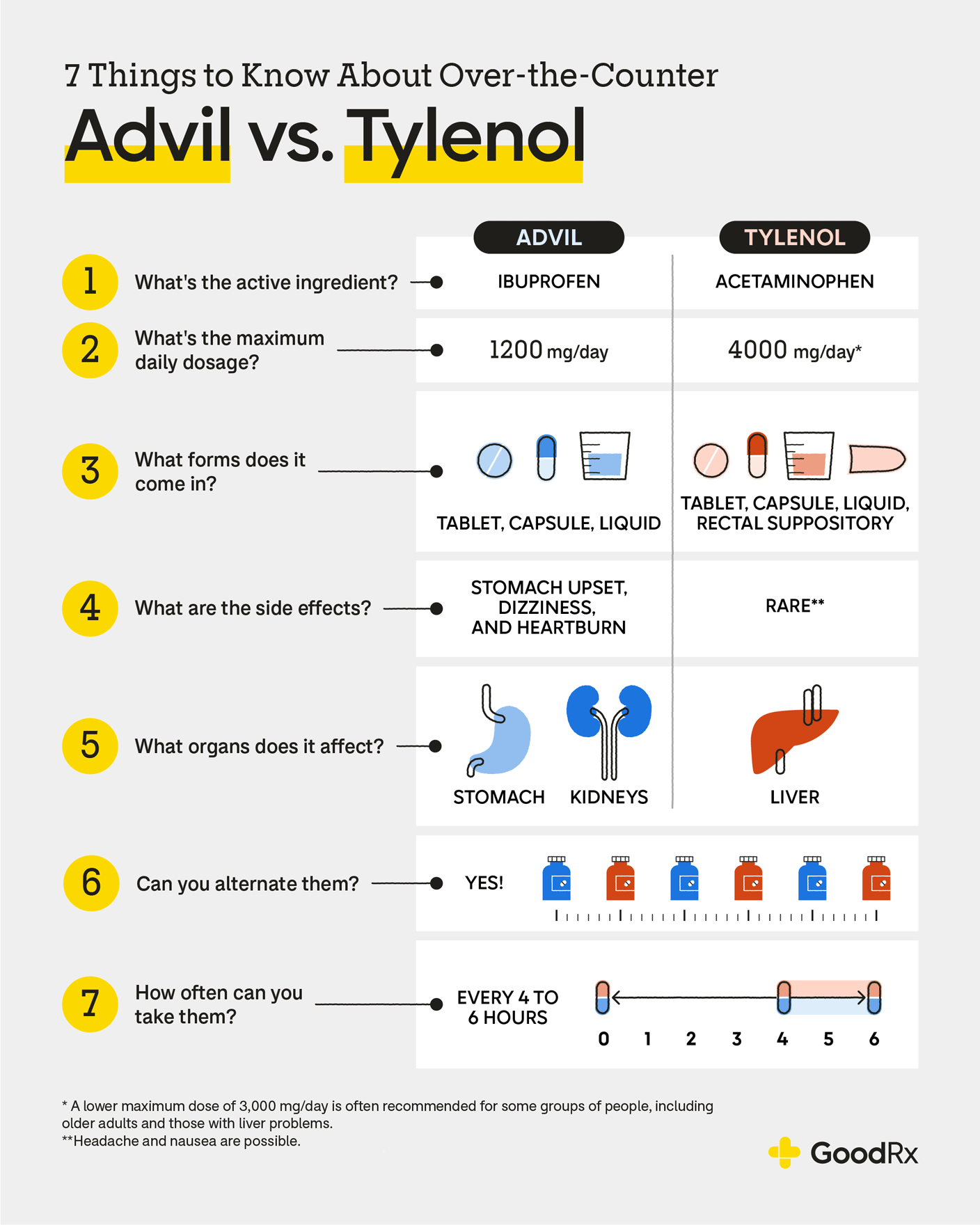
Medications should relieve discomfort rather than eliminate fever entirely, since mild fever actually helps fight infection. Use the lowest effective dose for the shortest duration needed.
Use Acetaminophen First
Acetaminophen is generally the preferred choice for elderly patients.
• Standard dose: 325 mg to 650 mg every four to six hours as needed
• Maximum daily limit: 3,000 mg, or lower if liver disease or malnutrition is present
• Advantages include being gentle on the stomach with low bleeding risk
• Risks involve liver damage with overdose or chronic use
Always check other medications for hidden acetaminophen content, such as cold remedies, to avoid accidental overdose.
Consider Ibuprofen Cautiously
Ibuprofen requires careful consideration in seniors due to potential side effects.
• Standard dose: 200 mg to 400 mg every six to eight hours, not exceeding 1,200 mg daily without medical approval
• Best suited for patients with pain or inflammation alongside fever
• Avoid if the patient has kidney disease, heart failure, ulcers, or is on blood thinners
Ibuprofen increases risks of kidney injury and gastrointestinal bleeding in seniors. Use only when benefits clearly outweigh risks.
Avoid Certain Drugs
Some medications are not suitable for elderly fever management.
• Aspirin: not recommended due to bleeding risk, except when prescribed for heart protection
• Combination antipyretics: never mix acetaminophen and ibuprofen without medical guidance
• Cold remedies: many contain decongestants that raise blood pressure or cause confusion
Always consult a doctor before giving medication to someone with chronic conditions or multiple prescriptions.
Monitor for Dangerous Complications
Fever in older adults can escalate quickly. Early recognition of worsening signs improves outcomes significantly. Staying alert to changes can mean the difference between recovery and hospitalization.
Identify Emergency Warning Signs
Seek immediate medical care if the person has any of these symptoms.
• Temperature at or above 103°F (39.4°C)
• Fever reaching 104°F (40°C), which is a medical emergency
• Confusion, disorientation, or hallucinations
• Shortness of breath or chest pain
• Severe headache with neck stiffness
• Persistent vomiting or inability to keep fluids down
• Sudden rash, especially purple spots
• Seizures or fainting episodes
• Abdominal pain or burning during urination
These may indicate sepsis, meningitis, pneumonia, or pulmonary embolism, all life-threatening in seniors.
Know When to Call a Doctor
Contact a healthcare provider in these situations.
• Fever lasts more than 48 to 72 hours despite treatment
• There is no clear cause of the fever
• The patient has diabetes, cancer, or heart disease
• Fever follows recent surgery or hospitalization
• Signs of dehydration persist despite fluid intake
In long-term care facilities, any unexplained fever should trigger a full clinical assessment including lab tests and imaging.
Prevent Future Fever Episodes
Proactive care reduces the risk of recurrent infections and complications. Prevention is always more effective than treatment.
Manage Chronic Conditions
Controlling underlying health issues reduces infection risk.
• Control blood sugar in diabetics since fever disrupts glucose metabolism
• Monitor heart failure patients closely as fever increases cardiac workload
• Review medications regularly since some drugs cause drug-induced fever
Reduce Infection Risk
Practical measures help keep infections at bay.
• Encourage hand hygiene for caregivers and visitors
• Ensure up-to-date vaccinations including flu, pneumococcal, shingles, and COVID-19 boosters
• Change incontinence products frequently to prevent urinary tract infections
• Inspect skin daily for pressure sores or early signs of infection
Educate Caregivers
Training family members and aides creates a safer environment.
• Teach them to recognize subtle signs of illness
• Show them how to take accurate temperatures
• Encourage tracking symptoms and reporting changes promptly
Early intervention saves lives.
Adjust Care for Special Populations
Tailor fever management based on individual health status and living environment. Not all elderly patients require the same approach.
Frail or Homebound Seniors
These patients need special consideration.
• Prioritize comfort and safety in all interventions
• Use remote monitoring tools like smart thermometers
• Schedule regular telehealth check-ins with a physician
Patients with Dementia
Cognitive impairment adds unique challenges.
• Observe behavior closely since verbal reporting is unreliable
• Look for new-onset agitation, withdrawal, or toileting accidents
• Maintain routines to reduce delirium risk
Hospitalized or Post-Op Patients
These patients require heightened vigilance.
• Monitor for post-surgical fever, common within 48 hours but requires evaluation if persistent
• Rule out pneumonia, wound infection, or catheter-related urinary tract infections
• Avoid overuse of antipyretics that mask infection progression
Key Takeaways for Reducing Fever in Elderly
Fever in the elderly is never just a fever. It can be the first and only sign of a life-threatening condition. By using accurate temperature checks, caregivers can detect problems early. Prioritizing hydration, applying safe cooling methods, and knowing when to act significantly improve outcomes. Always treat fever in older adults with urgency. Early recognition and response prevent hospitalization, sepsis, and death. When in doubt, seek medical advice immediately.
Frequently Asked Questions About Reducing Fever in Elderly
What temperature is considered a fever in elderly patients?
A body temperature of 100.4°F (38°C) or higher is considered a fever in seniors. This lower threshold accounts for the typically lower baseline temperatures in older adults. Temperatures above 103°F warrant immediate medical attention.
How often should I check an elderly person’s temperature during a fever?
Check temperature at least twice daily, once in the morning and once in the evening. If the fever is high or the patient is showing concerning symptoms, check every four to six hours. Consistent monitoring helps track the course of illness.
What is the safest fever reducer for elderly patients?
Acetaminophen is generally the safest first-line option for elderly patients. It is gentle on the stomach and has a lower risk of bleeding compared to other NSAIDs. Always follow dosing guidelines and check for interactions with other medications.
When should I take an elderly person with fever to the hospital?
Seek emergency care if fever reaches 104°F, if there is confusion, difficulty breathing, chest pain, or if the fever persists beyond 72 hours despite home treatment. Any sudden deterioration or inability to keep fluids down also warrants immediate evaluation.
Can dehydration cause fever in elderly patients?
Yes, dehydration can impair thermoregulation and either cause or worsen fever. Encouraging fluid intake is crucial during any illness. Watch for signs like dry mouth, dark urine, and decreased alertness.
How can I cool down an elderly person with a fever safely?
Use lukewarm sponge baths and cool compresses on the forehead, neck, or wrists. Avoid cold water or ice packs, as these can trigger shivering and raise core temperature. Keep the room comfortable and dress the patient in lightweight clothing.