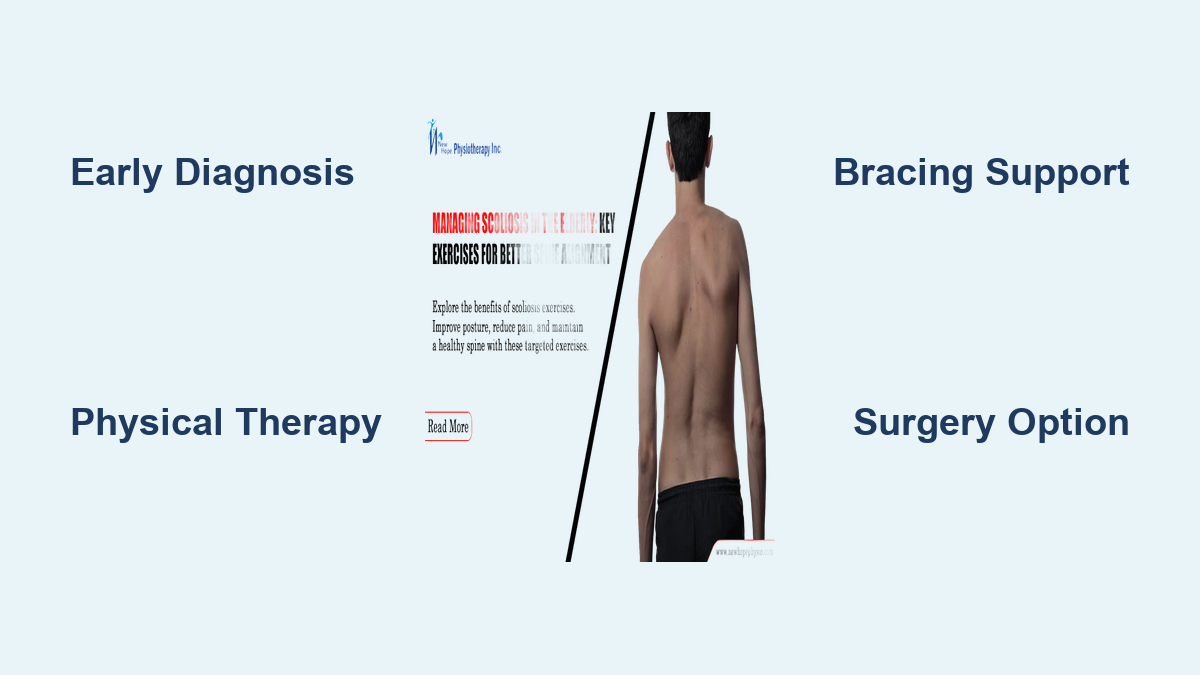
If you’re over 60 and experiencing chronic back pain, postural changes, or difficulty standing upright, scoliosis could be the cause. Scoliosis in seniors affects up to 68% of adults aged 60 to 90, yet it often goes undiagnosed until symptoms become disabling. Unlike adolescent scoliosis, adult-onset or progressive spinal curvature is primarily driven by degeneration, not growth. The goal of treatment isn’t perfect alignment. It’s pain relief, improved mobility, and maintaining independence. This guide delivers a clear, actionable roadmap for managing scoliosis in later life, from non-surgical strategies like targeted exercises and bracing to surgical options when necessary.
Recognize Senior Scoliosis Early
Scoliosis in older adults doesn’t always cause visible deformity. Pain is usually the first clue that something is wrong. Understanding the warning signs helps you seek treatment before the condition worsens and limits your daily activities.
Know the Warning Signs
Chronic back pain that worsens with walking or standing is one of the most common symptoms. Radiating leg pain or numbness often indicates spinal stenosis, which is frequently present alongside senior scoliosis. Other warning signs include uneven shoulders or hips, a tilted torso or rib hump, feeling off-balance or leaning to one side, reduced height over time, and difficulty dressing or bending. Don’t ignore subtle shifts in posture. A forward lean or uneven waistline can signal spinal imbalance that affects your entire body’s mechanics.
Why Pain Does Not Match Curve Size
Many seniors are surprised to learn that pain severity does not correlate with Cobb angle, which is the standard measure of spinal curvature. A 20-degree curve can be more painful than a 50-degree one. What matters more is spinal instability, nerve compression, sagittal imbalance which is poor front-to-back alignment, and degenerative disc disease or arthritis. These factors strain muscles, compress nerves, and reduce mobility, leading to fatigue, falls, and loss of independence.
Confirm Diagnosis Accurately

Getting an accurate diagnosis is the essential first step toward effective treatment. Without proper assessment, you risk pursuing the wrong approach and wasting valuable time.
Start with a Physical Exam
Your doctor will assess shoulder and hip symmetry, trunk shift which is lateral lean, rib prominence, gait and balance, and neurological function including reflexes, strength, and sensation. The Adam’s forward bend test, where you bend forward at the waist, helps reveal rotational deformity like a rib hump. This simple test provides valuable information about the nature and severity of your spinal curvature.
Get the Right Imaging
Diagnosis requires standing full-spine X-rays to measure the Cobb angle. A curvature of 10 degrees or more confirms scoliosis. Additional tests may include MRI to check for spinal stenosis, disc herniation, or nerve compression. CT scan provides detailed bone anatomy, especially before surgery. DEXA scan evaluates for osteoporosis, which increases fracture and surgical risk. Pulmonary function tests are needed if you have a large thoracic curve exceeding 70 degrees that affects breathing. Without proper imaging, treatment cannot be tailored effectively.
Use Targeted Physical Therapy
Physical therapy is the cornerstone of non-surgical treatment for scoliosis in seniors. Generic exercise is not enough. You need targeted, evidence-based programs designed specifically for spinal curves.
Choose Scoliosis-Specific Programs
Seniors benefit most from three-dimensional programs tailored to their unique curve patterns. These programs address posture, muscle imbalance, and breathing mechanics in ways that general fitness routines cannot match.
Try the Schroth Method
The Schroth Method is a gold-standard physical therapy approach that teaches postural awareness, uses de-rotation and elongation to stabilize the spine, improves breathing mechanics, and reduces pain and muscle fatigue. It is customized to your unique curve pattern and can be adapted for limited mobility. Many spine specialists consider it the most effective non-surgical option for adult scoliosis.
Consider ScoliBalance
ScoliBalance is another specialized program focusing on neuromuscular control, core stabilization, and postural realignment. Studies show it improves balance, reduces pain, and enhances function when combined with home exercises. This program works well alongside bracing and can be integrated into your daily routine.
Perform Daily Therapeutic Exercises
Consistent exercise maintains the gains you make in therapy. The following exercises target tight muscles and weak areas that contribute to scoliosis pain.
Stretch tight muscles with these moves. The Cat-Cow Stretch involves getting on hands and knees and alternating between arching and rounding your back, performing 10 to 15 reps in 2 to 3 sets daily. Child’s Pose requires sitting back on heels with arms extended forward, holding for 30 seconds and repeating 2 to 3 times. Side Bend Stretch is done standing with one arm reaching overhead while you lean sideways, holding 30 seconds per side for 2 sets.
Strengthen weak areas with these exercises. Bridge Pose involves lying on your back with knees bent and lifting your hips while squeezing your glutes, performing 10 to 15 reps in 2 to 3 sets three times per week. Bird-Dog requires starting on hands and knees and extending the opposite arm and leg, doing 10 reps per side for 2 sets. Seated Spinal Rotation is done sitting upright and twisting your torso while pressing the opposite hand on your knee, performing 10 reps per side daily.
Pro Tip: Perform exercises in front of a mirror to maintain proper alignment and catch any compensatory movements that could worsen your condition.
Stabilize With Bracing
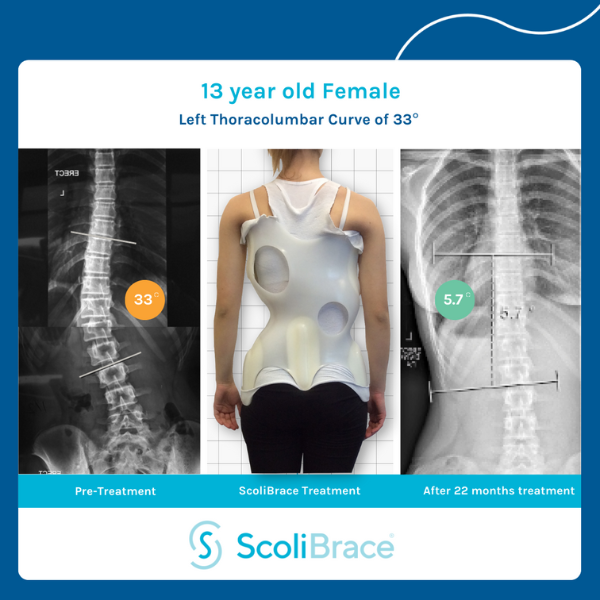
Bracing is a valuable tool for seniors with scoliosis, though it works differently than it does for younger patients. Understanding the goals and limitations of bracing helps you use it effectively.
Understand Bracing Goals in Seniors
Unlike in teens, bracing for seniors will not correct the curve. Instead, it helps reduce spinal movement and instability, alleviate pain, improve posture, and slow progression by unloading degenerating discs. Think of it as a splint for your spine, providing support during flare-ups or long periods of standing. The goal is stability and comfort, not correction.
Choose Modern 3D Braces
Traditional braces like the Boston or Milwaukee offer limited benefit for adults. ScoliBrace is the preferred modern option because it is custom-fitted using 3D scanning, applies corrective forces in all three planes, encourages upright posture, and can be worn 6 to 12 hours daily rather than around the clock. Some patients report improved balance and reduced reliance on pain medications within weeks of starting treatment.
Avoid Overuse Risks
Long-term bracing can lead to core muscle atrophy if used without accompanying physical therapy. Always combine bracing with targeted exercises to maintain strength. Use it intermittently, such as during travel or prolonged activity, unless your specialist recommends otherwise. The goal is to support your spine without weakening the muscles that stabilize it.
Manage Pain Effectively
Pain management is often the most immediate concern for seniors with scoliosis. A multi-modal approach typically works best, combining medications, procedures, and lifestyle adjustments.
Start With Medications
Over-the-counter options include acetaminophen for pain without inflammation, and NSAIDs like ibuprofen or naproxen that reduce inflammation and pain, though they must be used cautiously due to risks of stomach ulcers, kidney issues, and high blood pressure in seniors.
Prescription medications may include gabapentin or pregabalin for nerve-related leg pain, and short-term muscle relaxants like cyclobenzaprine for acute spasms. Always discuss long-term medication use with your doctor to avoid complications from prolonged use.
Try Interventional Procedures
When oral medications are not enough, minimally invasive options can provide relief. Epidural steroid injections deliver anti-inflammatory medicine near compressed nerves and are effective for leg pain and neurogenic claudication. Facet joint injections target arthritic spinal joints causing localized pain. Nerve blocks identify and treat specific pain sources. These are temporary solutions lasting weeks to months, but work best when paired with physical therapy.
Explore Safe Complementary Therapies
Complementary therapies can enhance your main treatment plan. Approach them with appropriate caution and realistic expectations.
Try Chiropractic Care Cautiously
Low-force, scoliosis-informed chiropractic adjustments may improve alignment and reduce pain. However, avoid high-velocity manipulation if you have osteoporosis, spinal instability, or neurological deficits. Seek practitioners experienced with adult spinal deformity. Some patients report improved mobility while others see no change. Proceed with realistic expectations about what chiropractic care can achieve.
Add Mind-Body Practices
Acupuncture may help modulate chronic pain through nervous system regulation, though multiple sessions are usually needed. Massage therapy relieves muscle tension, especially in overworked paraspinal muscles on the convex side of the curve. Tai Chi or adaptive yoga improve balance, flexibility, and mindfulness. Avoid deep twists or forward bends that could strain your spine. Choose classes tailored to seniors or spinal conditions.
Modify Activities and Posture
Daily habits significantly impact scoliosis symptoms. Small adjustments reduce spinal strain and prevent flare-ups.
Adjust Daily Habits
Avoid heavy lifting, especially with twisting motions. Limit high-impact activities like running or jumping. Take frequent posture breaks if sitting for long periods. These simple changes protect your spine from unnecessary stress and help you conserve energy for activities that matter.
Optimize Ergonomics
Use chairs with lumbar support to maintain proper spinal alignment. Install raised toilet seats and grab bars in bathrooms to reduce strain. Adjust desk height so your screen is at eye level. Wear supportive, low-heeled shoes. These adjustments reduce mechanical load and prevent pain flare-ups throughout the day.
Consider Surgery When Necessary
Surgery is not first-line treatment, but it may be right for certain seniors. Understanding when surgery becomes appropriate helps you make informed decisions.
Know When Surgery Is an Option
Surgery may be the right choice if conservative care fails after 6 to 12 months, you have progressive curves exceeding 40 to 50 degrees, there is neurological decline including leg weakness or bowel or bladder changes, spinal stenosis limits your walking ability, or pain severely impacts your quality of life. Surgery aims to stop progression, decompress nerves, and restore balance.
Review Surgical Options
Spinal fusion is the most common procedure, joining vertebrae using rods, screws, and bone grafts. It can be done from the back, front, or both. Decompression plus fusion removes tissue pressing on nerves followed by fusion to stabilize the spine, ideal for spinal stenosis with instability. Osteotomy cuts bone to realign the spine and is used for rigid, severe curves. Minimally invasive surgery uses smaller incisions with less blood loss and faster recovery, best for mild curves or decompression-only cases. Vertebral Column Resection is reserved for extreme cases and carries the highest risk.
Prepare for Surgery Safely
If surgery becomes necessary, proper preparation improves outcomes and reduces complications.
Optimize Health First
Seniors face higher surgical risks due to osteoporosis, heart disease, diabetes, and low muscle mass. Get a DEXA scan and treat bone loss before surgery. Quit smoking to improve fusion success. Optimize nutrition and blood sugar. Discuss medications like blood thinners with your surgeon. Taking these steps reduces your risk of complications.
Expect a Long Recovery
Hospital stay typically lasts 3 to 7 days, with early walking within 24 hours to prevent blood clots. Recovery phases include 0 to 6 weeks focused on pain control, wound care, and gentle movement. Six weeks to three months involves outpatient physical therapy and strength building. Three to 12 months allows gradual return to activities. Full recovery can take 6 months to over a year. Fusion success rates are high, but complications occur in 30 to 40 percent of cases, including infection, hardware failure, or adjacent segment disease.
Maintain Long-Term Spinal Health
Long-term success depends on consistent habits and ongoing attention to your spinal health.
Stick to a Daily Routine
Exercise 3 to 5 times per week with activities like walking, swimming, or tai chi. Practice posture checks throughout the day. Continue core strengthening even when pain improves. Monitor for changes in balance or leg function. Consistency is key to maintaining your progress.
Prevent Falls
Scoliosis increases fall risk due to poor balance and gait changes. Reduce hazards by removing loose rugs, installing night lights, using a cane or walker if needed, and practicing balance exercises like heel-to-toe walking. Preventing falls protects your independence and prevents injuries that could set back your progress.
Stay Socially and Mentally Engaged
Chronic pain and postural changes can impact self-esteem and mood. Support options include in-person or online support groups, mindfulness or meditation, and counseling or cognitive-behavioral therapy for pain-related anxiety. Mental well-being is part of spinal health.
Follow Treatment by Severity
Treatment should match the severity of your condition. Understanding what approach fits your situation helps you work effectively with your healthcare team.
Mild Curves Under 25 Degrees With No Symptoms
Monitor annually with X-rays. Focus on posture and core strength. Begin stretching and balance exercises. At this stage, preventing progression is the primary goal.
Moderate Curves Between 25 and 40 Degrees With Pain
Start scoliosis-specific physical therapy like Schroth or ScoliBalance. Add bracing if instability is present. Use pain management as needed. Modify activities and ergonomics. This comprehensive approach addresses both the structural and functional aspects of your condition.
Severe or Progressive Curves Over 40 to 50 Degrees
Seek evaluation from a spine deformity specialist. Consider surgery if neurological or functional decline occurs. Continue non-surgical care before and after surgery. This aggressive approach addresses significant structural problems that threaten your mobility and quality of life.
Key Takeaways for Treating Scoliosis in Seniors
Treating scoliosis in seniors is not about reversing the curve. It is about maximizing function and minimizing pain. Early diagnosis through proper imaging leads to better outcomes. Physical therapy programs like Schroth and ScoliBalance provide the most effective non-surgical results. Bracing supports the spine without correcting deformity. Surgery is reserved for severe cases when conservative care fails. A proactive, multidisciplinary approach combining targeted therapy, pain control, and expert guidance helps most seniors stay active and independent. Do not wait for symptoms to worsen. Take control today by consulting a spine specialist who can assess your specific situation and develop a personalized treatment plan.
Frequently Asked Questions About Treating Scoliosis in Seniors
Can scoliosis develop for the first time in seniors?
Yes. Degenerative or de novo scoliosis develops after age 45 to 50 due to age-related spinal degeneration. It is the most common type affecting seniors and is caused by degenerative disc disease, facet joint arthritis, and ligamentous laxity.
Does bracing work for adult scoliosis?
Bracing does not correct curves in adults because the spine is no longer growing. However, it can reduce pain, improve stability, and slow progression by unloading degenerating discs. Modern 3D braces like ScoliBrace offer better outcomes than traditional designs.
How fast does scoliosis progress in seniors?
Degenerative scoliosis is considered almost always progressive due to ongoing biomechanical deterioration. Curves may progress at 0.5 to 1 degree per year, though this varies based on individual factors like bone density and activity level.
Is surgery dangerous for seniors with scoliosis?
Surgery carries higher risks for seniors due to age-related comorbidities. Complication rates for complex spinal surgery range from 30 to 40 percent. However, when performed by experienced surgeons, surgery can provide dramatic improvements in pain, mobility, and quality of life for appropriate candidates.
What is the best exercise for seniors with scoliosis?
Schroth Method exercises are considered the gold standard for scoliosis-specific therapy. They address three-dimensional posture, breathing, and muscle balance. Combined with core strengthening and gentle stretching, these exercises provide the most comprehensive approach.
When should I see a spine specialist for scoliosis?
See a specialist if you experience chronic back pain that limits daily activities, visible postural changes like uneven shoulders or hips, radiating leg pain or numbness, difficulty walking or standing, or if your curve exceeds 25 degrees on imaging. Early evaluation leads to better treatment outcomes.