

Loss of appetite in seniors is a common but serious concern, affecting up to 25% of older adults globally and about 1 in 3 seniors in Canada. Often dismissed as a normal part of aging, this condition—known as “anorexia of aging”—is actually a complex medical issue that can lead to malnutrition, muscle loss, weakened immunity, increased fall risk, and even higher mortality. The good news? Appetite decline is not inevitable. With the right strategies, caregivers and healthcare providers can help seniors eat more, enjoy meals again, and maintain strength and independence.
This guide breaks down the science-backed causes of poor appetite in older adults and delivers actionable, proven solutions, from dietary tweaks and sensory enhancements to social support and medical interventions. Whether you’re a family caregiver, home health aide, or senior managing your own nutrition, you’ll learn how to identify red flags, boost food intake safely, and turn mealtimes into moments of connection and nourishment.
Identify Underlying Causes
Before trying new foods or supplements, it is essential to uncover why appetite has declined. Many factors, medical, psychological, and environmental, can suppress hunger in seniors.
Rule Out Medical Conditions
Chronic illnesses significantly impact appetite. Conditions like cancer, heart failure, COPD, kidney disease, liver dysfunction, and diabetes increase metabolic demands while reducing food interest due to symptoms like fatigue, nausea, or breathlessness.
Cancer-related cachexia causes muscle wasting and appetite loss regardless of calorie intake. Thyroid disorders, both hypo- and hyperthyroidism, disrupt metabolism and hunger signals. Gastrointestinal issues such as gastroparesis, acid reflux, or constipation create early fullness and discomfort.
Schedule a medical evaluation if appetite loss is sudden or unexplained. Blood tests can check for anemia, infection, hormonal imbalances, and organ function.
Assess Cognitive and Mental Health
Depression affects up to 20% of seniors and is a major cause of appetite suppression. It reduces motivation, leads to social withdrawal, and often results in skipped meals. Seniors with dementia or Alzheimer disease may forget to eat, fail to recognize food, or become agitated during mealtimes. Anxiety about swallowing or fear of choking can also cause food refusal.
Persistent sadness, low energy, disinterest in favorite foods, or confusion around meals should prompt a mental health screening.
Review Medications Regularly
Polypharmacy, taking five or more medications, is common in older adults and a leading cause of appetite loss. SSRIs, antipsychotics, diuretics, beta-blockers, opioids, and NSAIDs are known to cause dry mouth, nausea, altered taste, or early satiety. Chemotherapy and Parkinson drugs often reduce food enjoyment.
Ask a pharmacist or doctor to conduct a medication review every 6 to 12 months. Some drugs can be adjusted, replaced, or taken at different times to minimize side effects.
Optimize Meal Timing and Frequency
Seniors often feel full quickly due to slower digestion. Large meals can be overwhelming, leading to frustration and reduced intake.
Eat 5 to 6 Small Meals Daily
Instead of three big meals, aim for frequent, smaller portions throughout the day. This approach accommodates early satiety and maintains steady energy levels.
Example schedule includes breakfast with eggs, toast, and fruit. Mid-morning offers a smoothie or yogurt with granola. Lunch could be a chicken sandwich and soup. The afternoon provides cheese and crackers or a banana muffin. Evening options include warm milk, cottage cheese, or a small bowl of pasta. Before bed, a nutritious shake or pudding works well.
Many seniors have their strongest appetite in the morning, so make breakfast the largest meal.
Stick to a Consistent Eating Schedule
A predictable routine helps regulate circadian hunger cues. Even if not hungry, eating at set times can retrain the body internal clock. Set daily meal and snack times. Use gentle reminders or alarms if memory is an issue.
Place a printed meal schedule on the fridge or table to reinforce structure.
Prioritize High-Protein, Nutrient-Dense Foods
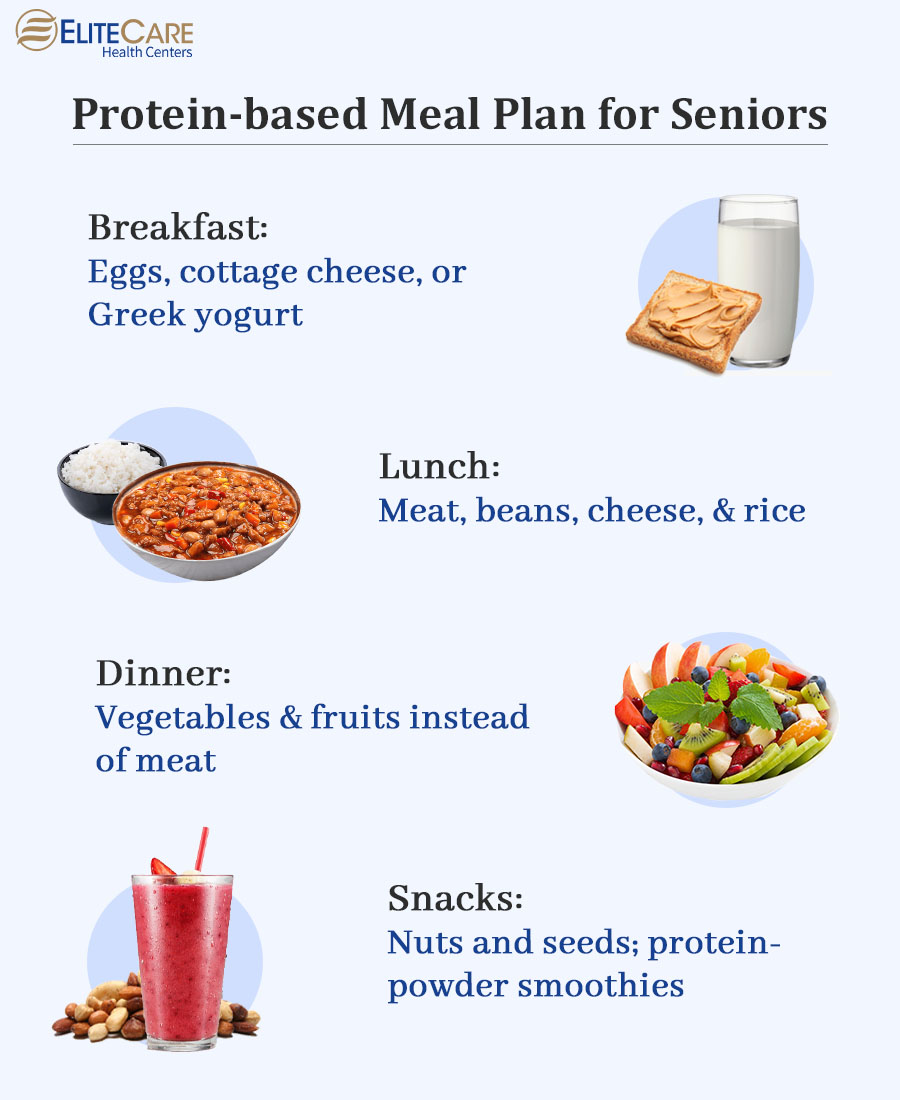
When appetite is low, every bite must deliver maximum nutrition. Protein is especially critical to prevent sarcopenia and support immune health.
Aim for 1.0 to 1.5 Grams of Protein per Kg of Body Weight
For a 60 kg senior, that is 60 to 90 grams of protein daily, spread across meals. Include protein at every meal and snack, not just lunch or dinner.
Best Easy-to-Eat Protein Sources
Greek yogurt provides 17g per 170g serving. Cottage cheese offers 14g per half cup. A hard-boiled egg contains 6g. Two tablespoons of peanut butter deliver 8g. Half a can of canned tuna provides 20g. Three ounces of cooked chicken offer 25g. One cup of whole milk contains 8g. Half a cup of tofu provides 10g.
Keep grab-and-go proteins like cheese sticks, nut butter packs, or canned salmon in the pantry for spontaneous eating.
Boost Calories Without Increasing Volume

Seniors often eat less due to early fullness. The solution is to fortify foods with calorie-dense ingredients that do not add bulk.
Add Healthy Fats to Everyday Foods
Stir butter, olive oil, or cream into mashed potatoes, soups, rice, or vegetables. Use mayonnaise or avocado in sandwiches instead of mustard. Mix nut butters into oatmeal, smoothies, or apple slices.
Adding 1 tablespoon of butter, 100 calories, to mashed potatoes increases energy without making the portion larger.
Use Full-Fat Dairy and Fortified Ingredients
Choose whole milk, full-fat yogurt, and regular cheese unless medically restricted. Add powdered milk to cereals, sauces, or mashed potatoes for extra protein and calories. Blend egg yolks or protein powder into shakes, casseroles, or applesauce.
These fortification techniques are safe and effective for boosting intake in older adults.
Try Oral Nutrition Supplements
When food intake remains low, liquid supplements like Ensure, Boost, or Resource can bridge the gap. They are available in liquid, powder, and pudding forms. They are ideal for seniors with dysphagia, dental issues, or cognitive impairment.
Offer ONS between meals, not with food, to avoid filling up too soon.
Enhance the Sensory Experience of Food
Diminished taste and smell are common after age 70. Foods may taste bland or metallic, reducing motivation to eat.
Intensify Flavor with Herbs and Spices
Use garlic, onion, basil, rosemary, cumin, or cinnamon to boost aroma and taste. Add citrus zest, vinegar, or fresh herbs to salads, meats, and soups. Avoid overly processed or bland foods.
Avoid excess salt or sugar. Flavor can be enhanced naturally.
Improve Visual Appeal and Dining Environment
Serve food on contrasting plates to improve visibility. Use colorful ingredients like bell peppers, tomatoes, or berries to make meals more attractive. Set the table with napkins, placemats, or a small flower to create a pleasant atmosphere.
Ensure the dining area is well-lit but not harsh. Dim or cluttered spaces can confuse seniors with dementia.
Minimize Distractions
Turn off the TV and silence phones during meals. Play soft background music or nature sounds to create a calming mood. Keep the environment quiet and comfortable.
A focused, enjoyable mealtime can increase food intake by up to 25%.
Encourage Light Physical Activity
Movement stimulates appetite by boosting metabolism and digestive function.
Walk or Stretch Before Meals
A 10 to 15 minute walk or seated yoga session 30 to 60 minutes before eating can increase hunger. Even light household tasks like folding laundry or gardening help.
Consult a doctor before starting any new activity, especially with heart or mobility issues.
Support Muscle Strength and Mobility
Regular movement preserves muscle mass and improves balance, reducing fall risk. Exercise also enhances mood and sleep, both of which support better eating habits.
Walk together or do chair exercises side-by-side to make it social and motivating.
Promote Social and Emotional Connection
Eating alone reduces the pleasure of food. Loneliness is a powerful appetite suppressor.
Eat With Others Whenever Possible
Share meals with family, friends, or caregivers. Join congregate dining programs at senior centers or churches. Use video calls for virtual meal dates with distant loved ones.
Seniors eat more and enjoy meals longer when dining with others.
Address Depression and Isolation
Encourage participation in social activities, support groups, or volunteer programs. Seek help from a counselor or mental health professional if depression is suspected. Respect cultural food traditions. Familiar dishes are more comforting and appealing.
Emotional well-being is just as important as nutrition.
Restore Independence and Choice
Seniors who feel they have lost control over their meals may disengage from eating altogether.
Involve in Meal Planning and Prep
Let them choose weekly meals or pick favorites from a menu. Invite them to help with grocery shopping. Assign simple tasks like stirring, seasoning, or setting the table.
Involvement increases motivation and provides cognitive stimulation.
Offer Choices, Not Commands
Instead of “It is time to eat,” try “Would you like eggs or oatmeal?” Allow preferences, even if they repeat the same food for days.
Familiar, enjoyable foods trump healthy but unappealing options.
Reconsider Unnecessary Dietary Restrictions
Overly strict diets can make food less enjoyable and reduce intake.
Liberalize Diets When Safe
Unless required for conditions like heart failure or kidney disease, relax low-fat, low-sugar, or low-salt rules. Use full-fat dairy, healthy oils like olive and avocado, and natural sweeteners like honey and maple syrup to enhance flavor.
Talk to a doctor or dietitian before making changes. Some restrictions are medically necessary.
Focus on Pleasure and Satisfaction
A small piece of cheesecake may provide more nutritional and emotional benefit than a large plate of bland, healthy food. Eating should be enjoyable, not punitive.
Use Finger Foods and Adaptive Tools

For seniors with limited dexterity, cognitive issues, or swallowing difficulties, traditional meals can be challenging.
Serve Easy-to-Hold Finger Foods
Mini sandwiches, meatballs, and cheese cubes work well. Banana muffins, soft tacos, and pudding cups are good options. Roasted vegetables, granola bars, and yogurt parfaits are also suitable.
Ensure textures match chewing and swallowing abilities.
Provide Adaptive Eating Aids
Weighted utensils help with tremors. Plate guards prevent spills. Non-slip placemats and easy-grip cups improve stability. Built-up handles assist with arthritis.
An occupational therapist can recommend the best tools for individual needs.
Special Tips for Dementia Care
Seniors with dementia need extra support to eat safely and sufficiently.
Simplify the Meal Setup
Serve one dish at a time. Too many items cause confusion. Use plain plates without patterns to make food stand out. Offer familiar, culturally appropriate foods.
Use Gentle Prompts and Patience
Offer hand-over-hand guidance to bring food to the mouth. Use simple verbal cues like “Take a bite” or “Chew slowly.” Allow up to 45 minutes per meal. Rushing increases anxiety.
Watch for pocketing food, choking, or dehydration.
When to Seek Professional Help
Do not wait if appetite loss is severe or worsening.
Red Flags That Require Medical Attention
Unintentional weight loss of more than 5% in one month is concerning. Swallowing difficulties, choking, or coughing during meals need evaluation. Persistent nausea, fatigue, or confusion warrant attention. Dehydration signs like dry mouth, dark urine, or dizziness require immediate care.
Seek referrals to a dietitian for nutritional assessment. A speech-language pathologist can perform a swallowing evaluation. A dentist can assess oral health and denture fit. A mental health provider can address depression or anxiety.
Final Takeaways on Increasing Appetite in Seniors
Improving appetite in seniors is not just about food. It is about dignity, connection, and well-being. By combining medical care, sensory enhancement, social support, and culinary creativity, you can help older adults eat better, feel stronger, and enjoy life more.
Key strategies include ruling out medical causes and reviewing medications. Serve 5 to 6 small, protein-rich meals daily. Fortify foods with healthy fats and full-fat dairy. Enhance flavor, color, and dining atmosphere. Encourage light activity before meals. Eat together and reduce isolation. Offer choices and restore autonomy. Use oral supplements if needed. Involve professionals when concerns arise.
When you move, connect, and cook with care, you are not just feeding the body. You are nourishing the soul.
Frequently Asked Questions About Increasing Appetite in Seniors
What are the main causes of appetite loss in seniors?
Appetite loss in seniors stems from multiple factors. Medical conditions like cancer, heart failure, thyroid disorders, and dementia can suppress hunger. Psychological factors including depression and isolation play a significant role. Medications, sensory decline, and environmental factors also contribute. Identifying the specific cause is essential for effective treatment.
How much protein do seniors need daily?
Seniors should aim for 1.0 to 1.5 grams of protein per kilogram of body weight daily. For a 60 kg senior, that equals 60 to 90 grams. Protein needs may be higher during illness or if sarcopenia is present. Spread protein intake across all meals and snacks for optimal absorption.
What foods are best for seniors with low appetite?
High-protein, calorie-dense foods work best. Greek yogurt, cottage cheese, eggs, peanut butter, canned tuna, and chicken provide substantial protein. Adding butter, olive oil, or full-fat dairy increases calories without adding volume. Smoothies and oral supplements offer nutrition in easy-to-drink forms.
How can I encourage a senior to eat more?
Create a positive mealtime environment. Serve small, frequent meals rather than large portions. Enhance flavors with herbs and spices. Eat together to combat loneliness. Offer choices rather than commands. Respect food preferences and cultural traditions. Use attractive table settings and minimize distractions.
When should I worry about an older adult not eating?
Seek medical help if appetite loss is sudden or unexplained. Warning signs include unintentional weight loss exceeding 5% in one month. Difficulty swallowing, choking, or coughing during meals needs immediate attention. Persistent nausea, fatigue, confusion, or dehydration also warrant professional evaluation.
Can medications help increase appetite in seniors?
Yes, doctors may prescribe appetite-stimulating medications for severe cases. Megestrol acetate and mirtazapine are sometimes used. These medications carry risks and are typically reserved for situations where other interventions have failed. Always consult a physician before considering medication options.