As we age, the simple question of how often should elderly eat becomes more nuanced than just counting meals. For adults over 50, meal timing and nutrient quality matter far more than meal frequency. Research shows that when older adults eat, especially the timing of their first and last meal, has a greater impact on metabolic health, energy levels, and longevity than how many times they eat each day.
Many older adults fall into patterns of skipping breakfast, eating late dinners, or snacking at night. These habits can disrupt circadian rhythms, impair blood sugar control, and increase chronic disease risk. But science now points to a better approach: start early, eat well, stop early, and fast nightly.
In this guide, you will learn why breakfast should be your largest meal, the ideal eating window for healthy aging, how 13 to 14 hours of overnight fasting supports metabolic health, why protein distribution matters for muscle preservation, and how to overcome common barriers to nutritious eating.
Eat Early, Stop Early: The Foundation of Senior Nutrition
Why Morning Eating Matters Most
Your body is biologically primed to process food most efficiently in the morning. Insulin sensitivity, the body’s ability to manage blood sugar, is highest shortly after waking. As the day progresses, especially after 6 p.m., melatonin release begins to interfere with insulin function, slowing glucose metabolism.
For older adults, whose insulin sensitivity naturally declines with age, eating large meals late in the day increases risks for type 2 diabetes, weight gain, and cardiovascular disease.
A 2025 study of nearly 3,000 older adults found that delaying the start of the eating window, such as skipping breakfast or eating after 9 a.m., was linked to worsening metabolic markers including higher blood pressure and elevated HbA1c levels.
Starting your eating window within one to two hours of waking helps align food intake with your body’s natural circadian rhythm, improving energy, digestion, and long-term health.
Setting a Firm Evening Cutoff
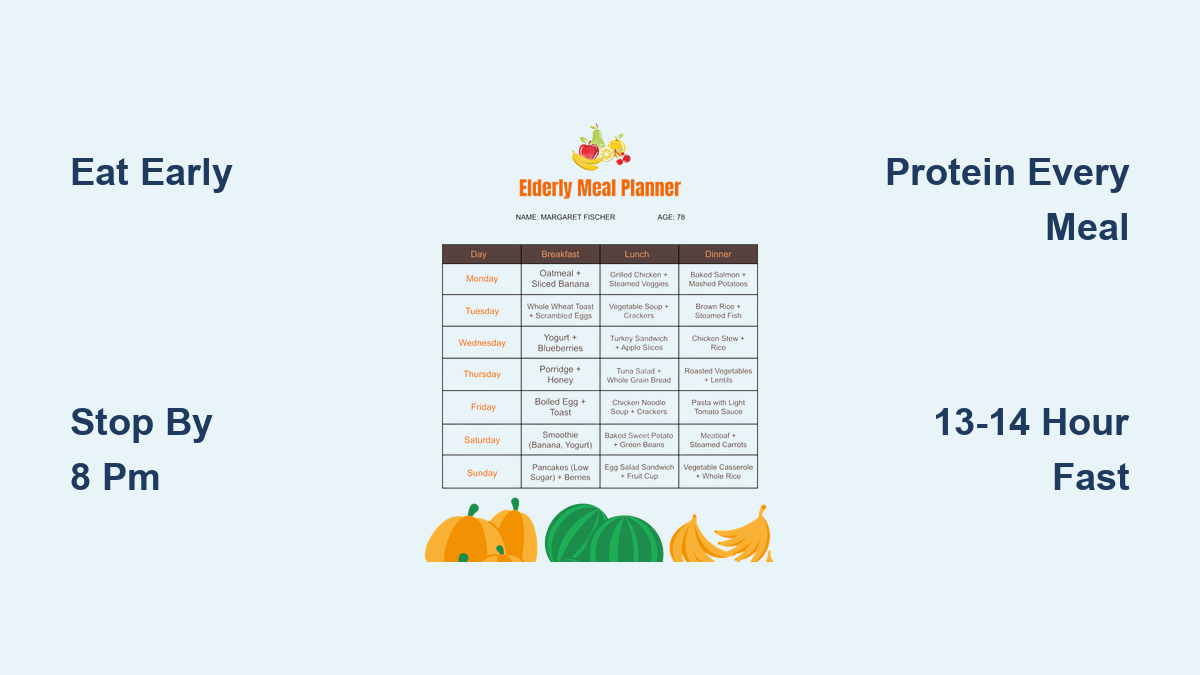
Experts consistently recommend ending food intake by 8 p.m. at the latest. Eating within two hours of bedtime is linked to 235 extra calories per day on average, poorer sleep quality, and higher risk of obesity and heart disease.
A 2024 study tracking over 40,000 people for eight years found that those eating between 11 p.m. and midnight had more than twice the risk of dying from diabetes. Individuals consuming food from midnight to 1 a.m. faced a 38% higher overall mortality risk.
Even if you eat only two or three meals a day, timing them earlier in the day yields better health outcomes than spreading meals late into the evening.
Why Breakfast Should Be Your Largest Meal
:max_bytes(150000):strip_icc()/HighProteinBreakfast-469258e327f442418d1c2deca8fdbd66.jpg)
The Risks of Skipping Breakfast
Despite trends promoting intermittent fasting that skips breakfast, evidence strongly contradicts this for older adults. Skipping breakfast is tied to a 32% higher risk of all-cause mortality compared to consistent early eaters.
Regular breakfast consumption is associated with lower rates of obesity, type 2 diabetes, and cardiovascular disease. Why? Because morning calories are used more efficiently. When you eat a substantial breakfast, your body burns those calories throughout the day. Late-day calories are more likely to be stored as fat.
Building a High-Protein Breakfast
Older adults need 25 to 30 grams of high-quality protein per meal to maintain muscle mass and prevent sarcopenia, the age-related loss of muscle.
Yet most Americans consume only 10 to 15 grams of protein at breakfast, saving the majority for dinner. This imbalance reduces muscle synthesis and increases frailty risk.
Ideal breakfast protein sources include two large eggs plus one cup Greek yogurt for approximately 28 grams of protein, three ounces of smoked salmon with one slice of whole-grain toast, half a cup of cottage cheese with berries and chia seeds, or a protein smoothie with whey or plant-based powder.
Pair protein with complex carbs and healthy fats for sustained energy and satiety.
The 13-14 Hour Fasting Window for Older Adults
Why Time-Restricted Eating Works for Aging Bodies
Time-restricted eating, limiting food intake to a specific window each day, is one of the most effective and sustainable dietary strategies for older adults.
Unlike calorie restriction, time-restricted eating does not require changing what you eat, only when you eat it. This simplicity leads to high adherence. Seventy-four percent of older adults stick with a 13-plus hour nightly fast, compared to just 18 percent for strength training.
Finding the Sweet Spot
Research identifies 13 to 14 hours of nightly fasting as the optimal balance between health benefits and safety.
Benefits include improved blood sugar control, better sleep quality, enhanced energy and mood, and easier weight management.
Fasting 16 or more hours daily increases risk. A large eight-year study found those fasting 16-plus hours were more than twice as likely to die from heart disease. Extended fasting may lead to inadequate intake of calcium, vitamin D, and protein, raising osteoporosis and frailty risks.
Starting Your Fast Gradually
If you are used to late-night snacks, do not jump into a 14-hour fast overnight.
Try this step-by-step approach. During weeks one and two, stop eating by 8 p.m., which gives you a 12-hour fast from 8 p.m. to 8 a.m. During weeks three and four, move dinner to 7 p.m. and fast from 7 p.m. to 7 a.m., achieving 14 hours. Maintain this consistent schedule even on weekends.
Time-restricted eating is generally safe for healthy older adults but consult a doctor or dietitian if you have diabetes, history of malnutrition, low body weight, or medications that affect appetite or blood sugar.
Spreading Protein Across All Meals
Why Even Distribution Beats One Big Dinner
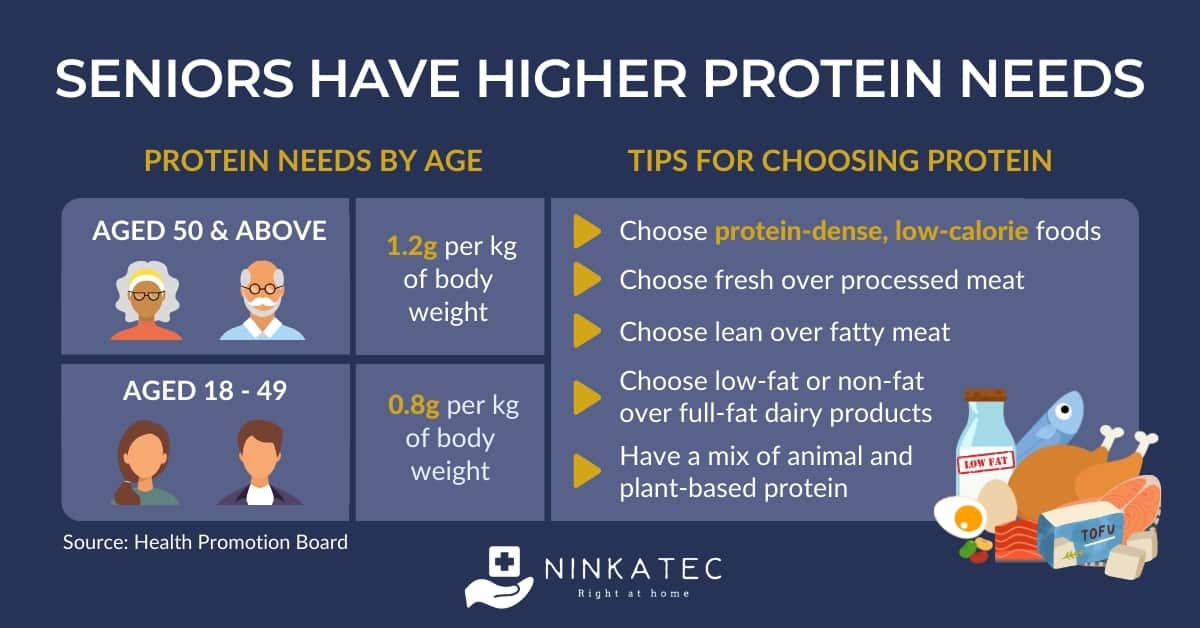
Muscle maintenance depends on regular protein intake throughout the day, not just total daily grams.
The body can only use about 25 to 30 grams of protein per meal for muscle synthesis. Consuming 60 grams at dinner and only 10 at breakfast wastes protein and reduces muscle-building efficiency.
With uneven distribution, breakfast might contain 10 grams, lunch 15 grams, and dinner 60 grams for a total of 85 grams. But with balanced distribution, breakfast gets 28 grams, lunch 28 grams, and dinner 28 grams for a total of 84 grams. Same total protein, but only the balanced pattern supports optimal muscle health.
Choosing High-Quality Protein Sources
Include complete proteins, containing all essential amino acids, at each meal. These include eggs, Greek yogurt, lean poultry, fish such as salmon and tuna, cottage cheese, tofu and tempeh, and legumes paired with grains.
For those with reduced appetite, protein shakes or fortified foods can help meet targets without large portions.
Meeting Daily Calorie and Nutrient Needs
Adjusting for Slower Metabolism
After age 50, metabolism slows, reducing daily calorie needs by about 200 kilocalories compared to younger adulthood.
General daily calorie ranges are approximately 1,600 kilocalories for sedentary older women and up to 2,600 kilocalories for active older men.
Use a consistent weight as a guide. Sudden weight gain suggests overeating. Unexplained weight loss may signal malnutrition or illness and should prompt medical evaluation.
Focusing on Nutrient-Dense Foods
With lower calorie needs, every bite must count. Prioritize nutrient-dense foods over empty calories.
Key nutrients at risk in older adults include protein for preventing muscle loss, calcium and vitamin D for supporting bone health, fiber for aiding digestion and heart health, and B12 for nerve and brain function.
The Harvard Healthy Eating Plate offers a simple visual guide. Fill half your plate with vegetables and fruits, a quarter with whole grains, a quarter with lean protein. Use healthy fats in moderation and choose water as your primary beverage.
Avoid ultra-processed foods, sugary drinks, and excessive sodium.
Overcoming Common Eating Barriers in Later Life
Tackling Physical and Medical Challenges
Aging brings physiological changes that can reduce appetite and impair nutrition. These include reduced taste and smell, dry mouth from medications, dental or swallowing issues, and slower digestion.
Solutions include using herbs and spices to enhance flavor, choosing soft and moist foods such as stews, smoothies, and oatmeal, staying hydrated since thirst sensation declines with age, and consulting a dentist or speech therapist if chewing or swallowing is difficult.
Addressing Social and Emotional Factors
Loneliness, depression, and lack of mobility can lead to skipped meals and poor food choices.
Strategies to stay nourished include using grocery delivery services such as Amazon Fresh or Instacart, meal prepping on weekends by cooking large batches and freezing portions, choosing one-pot meals like soups and casseroles for ease and balance, eating with others when possible by joining a senior meal program or inviting a friend, and staying active with 30 minutes of walking most days to boost appetite and energy.
Optimal Daily Eating Schedule for Seniors
A Practical Example
Here is an example of an ideal daily eating pattern.
At 7:30 a.m., eat breakfast with two eggs, one cup Greek yogurt, berries, and whole-grain toast, providing approximately 30 grams of protein.
At 12:30 p.m., eat lunch with grilled chicken salad, quinoa, avocado, and vegetables, providing approximately 28 grams of protein.
At 5:30 p.m., eat dinner with baked salmon, sweet potato, and steamed broccoli, providing approximately 26 grams of protein.
At 8:00 p.m., stop eating entirely and begin your 14-hour fast. Water, herbal tea, or black coffee are fine after dinner.
No snacks after dinner.
Frequently Asked Questions About How Often Should Elderly Eat
How many meals per day is ideal for older adults?
The number of meals matters less than meal timing and nutrient quality. Research shows that eating three meals or fewer, when timed properly, provides equivalent or better metabolic outcomes than eating four or more meals daily. Focus on starting early, ending by 8 p.m., and distributing protein evenly.
Is skipping breakfast harmful for elderly adults?
Yes. Skipping breakfast is linked to a 32 percent higher risk of all-cause mortality compared to consistent early eaters. Older adults who skip breakfast also face higher risks of obesity, type 2 diabetes, and cardiovascular disease. Breakfast should be the largest meal of the day.
What is the best overnight fasting duration for seniors?
Thirteen to 14 hours of nightly fasting provides the optimal balance of health benefits and safety. Fasting less than 13 hours shows diminished benefits, while fasting 16 or more hours may increase heart disease risk and lead to nutrient deficiencies.
Can older adults do intermittent fasting safely?
Time-restricted eating with a 10 to 12 hour eating window is generally safe for healthy older adults. However, those with diabetes, malnutrition, low body weight, or certain medications should consult a healthcare provider before starting any fasting protocol.
How much protein does an elderly person need per meal?
Older adults need 25 to 30 grams of high-quality protein at each meal to maintain muscle mass and prevent sarcopenia. This is a significant increase from typical American diets, where breakfast often contains only 10 to 15 grams.
What time should seniors stop eating at night?
Experts recommend stopping all food intake by 8 p.m. at the latest. Eating between 11 p.m. and midnight more than doubles the risk of dying from diabetes, while eating between midnight and 1 a.m. increases overall mortality risk by 38 percent.
Key Takeaways for Optimal Senior Nutrition
The science is clear: eating early, eating well, and stopping early supports healthier aging. What matters most is not how many times you eat but when you eat and what you eat.
Prioritize breakfast as your largest meal with 25 to 30 grams of protein. End all food intake by 8 p.m. and maintain a 13 to 14 hour overnight fast. Spread protein evenly across all meals rather than concentrating it at dinner. Monitor your weight regularly to catch unintended changes early.
By aligning meals with your body’s natural rhythms, prioritizing protein and nutrient density, and avoiding late-night eating, you can maintain energy, muscle, and metabolic health well into later life. Always consult a healthcare provider before making major dietary changes, especially if you have chronic conditions.