
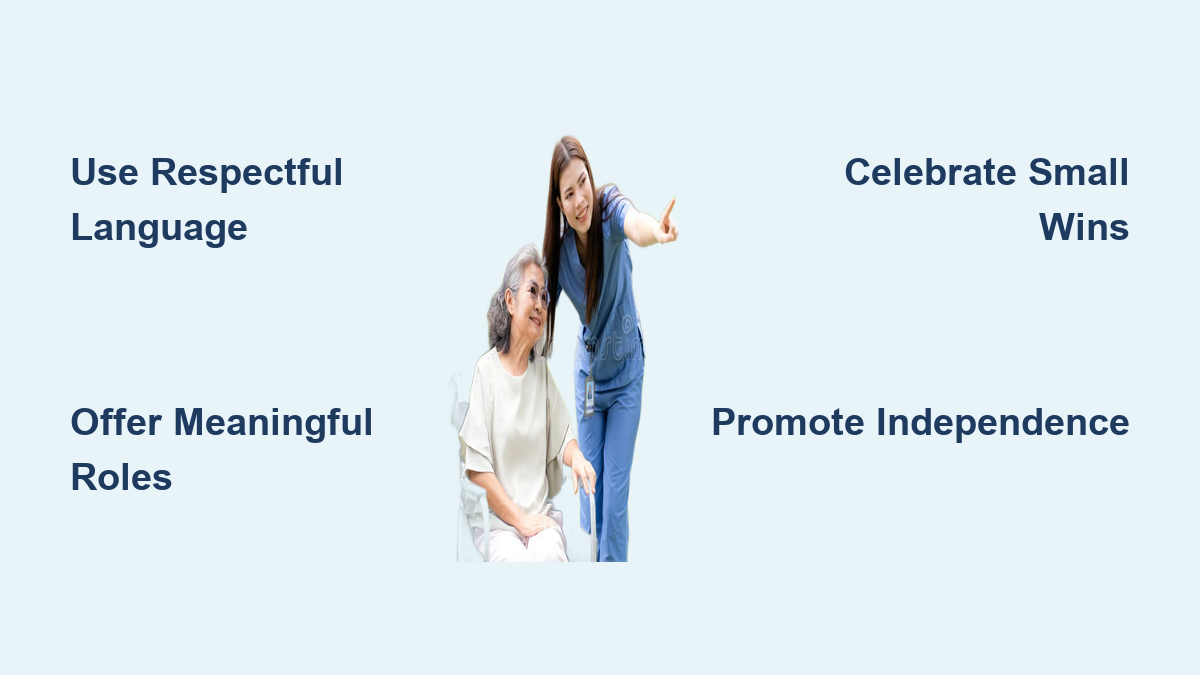
Feeling disconnected, unmotivated, or overlooked is not a natural part of aging. It is often the result of isolation, loss, and well-meaning but disempowering habits. When you want to encourage the elderly, the goal is not to fix them, but to reawaken their sense of agency, belonging, and purpose. Older adults thrive when they feel heard, respected, and capable.
This guide delivers actionable ways to encourage the elderly, from reframing aging and setting meaningful goals to boosting social connection and honoring autonomy. You will learn how to foster emotional resilience, spark motivation, and create conditions where dignity and independence flourish.
Reframe Aging With Respectful Language
Challenge Ageist Words and Attitudes
Words like “sweetie,” “old fogey,” or “so brave for your age” may seem kind, but they subtly undermine dignity. These phrases infantilize and imply decline. Instead, use respectful terms like “older adult,” “senior,” or simply their name. Normalize aging as growth, not loss.
When someone cracks an ageist joke, gently push back. Say, “Actually, memory is not just about age. Let us focus on strengths.” This small act reinforces that wisdom, experience, and value do not expire.
Celebrate Wisdom Over Survival
Aging brings real challenges, but also profound gains like emotional regulation, deeper relationships, and hard-won perspective. Highlight these instead of offering pity. Instead of saying, “You are doing great for 80,” say, “I admire how calmly you handle tough situations.” That shift from pity to respect builds self-worth.
Acknowledge milestones with meaning. A 75th birthday is not just another year. It is a celebration of resilience. Share stories, play favorite music, or host a legacy dinner where family shares what they have learned from them.
Restore Purpose Through Meaningful Roles
Connect to Volunteer Opportunities
Purpose is a powerful motivator. When seniors feel needed, depression drops and engagement rises. The key is matching their skills and interests to real roles.
Consider these options:
- Hospice volunteering offers companionship to the terminally ill and brings deep emotional fulfillment.
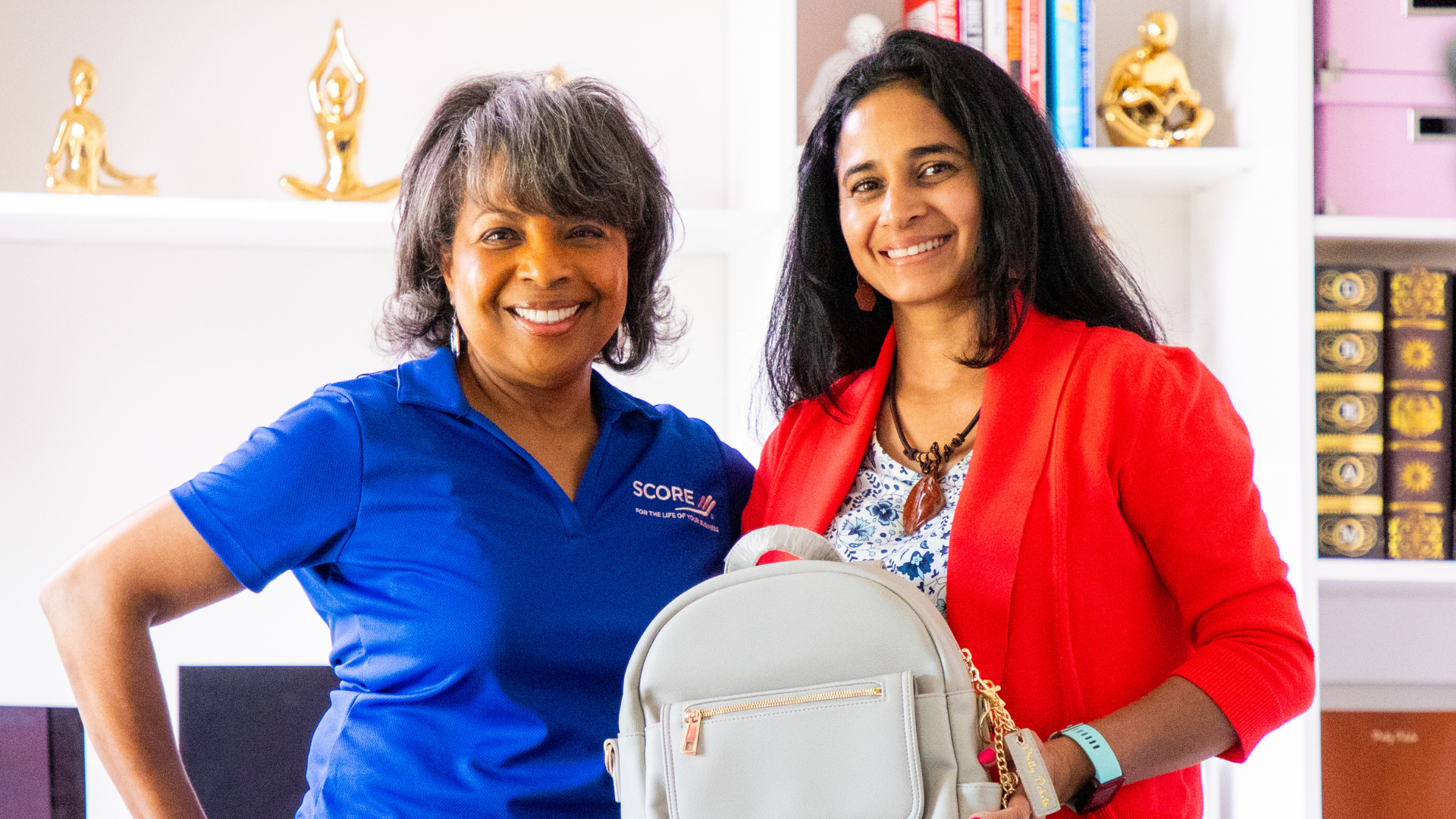
- SCORE mentoring lets retired professionals guide small business owners using decades of expertise.
- RSVP programs offer flexible roles from tutoring kids to supporting disaster relief.
If transportation is an issue, create family-based volunteering. Knit hats for newborns, write letters to veterans, or assemble care packages. These small acts build connection and usefulness.
Reinforce Their Expertise Daily
Ask for advice. “How would you handle this?” or “You have always been good with people. What do you think?” validates their lifelong learning. Even simple requests like “Can you help me fix this?” reinforce capability.
Most elders are not driving family members crazy on purpose. They simply need something new to work toward.
Spark Engagement With Stimulating Activities
Choose Activities That Match Ability and Interest
Boredom and disengagement often stem from a lack of tailored options. The best activities are enjoyable, accessible, and offer a sense of accomplishment.
These low-barrier, high-reward activities work well:
- Gardening in containers gives visible results. Raised beds or pots make it wheelchair-friendly. The act of planting and watering fosters routine and purpose.
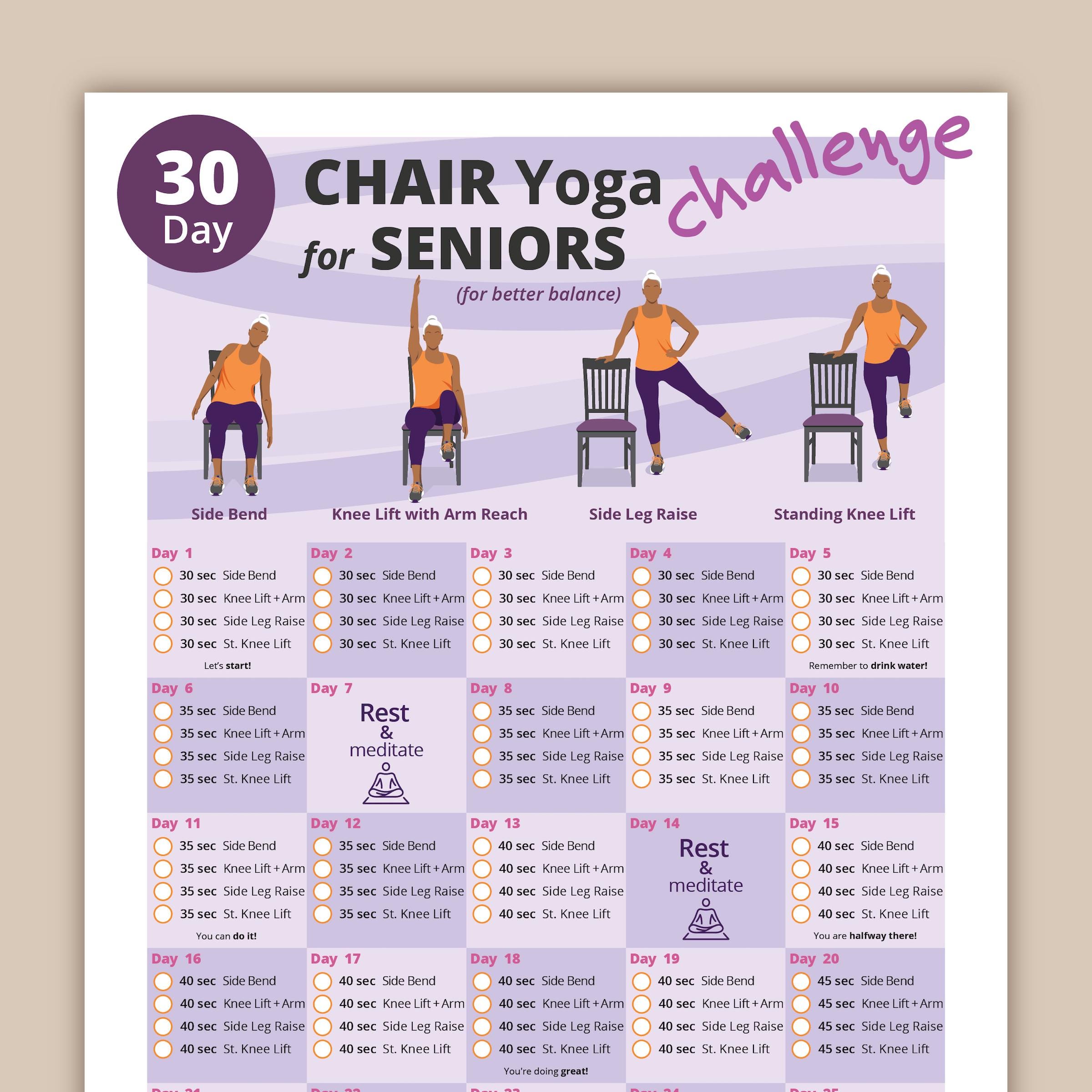
- Walking or chair yoga boosts mood and cognition. A daily 10-minute walk or seated stretch improves balance and energy.
- Music and singing unlocks memories and lifts spirits. Joining a choir or karaoke group adds social joy.
- Crafting and creativity engages fine motor skills. Knitting, painting, or making jewelry. Completed projects can be gifted, reinforcing connection.
- Pet interaction reduces anxiety. Petting a dog, visiting a therapy animal, or watching birds outside a window provides comfort.
Gerontological science confirms a direct link between active lifestyles and healthy longevity, even for those with dementia.
Strengthen Identity Through Life Reflection
Guide Them to Share Their Story
Retirement or loss of a spouse can trigger identity loss. Who am I if I am not working or married? Reminiscence therapy helps rebuild self-worth.
Try these approaches:
- Flip through old photo albums together. Ask, “What was that time like for you?”
- Record oral histories using a phone to capture stories about childhood, work, or love.
- Create a life book with milestones, achievements, and favorite memories.
These projects are not just nostalgic. They affirm that their life mattered.
Collaborate on Legacy Projects
Help them leave something behind. Compile a family recipe book. Write letters to grandchildren. Digitize old letters or home videos. Mentor a young person in their former profession.
Set aside time to encourage aging parents to reminisce about their past. Reinforcing seniors’ self-identity adds richness to their lives.
Use Encouraging Words and Active Listening
Speak With Love and Specificity
Generic praise like “You are doing great” feels hollow. Be specific instead. Say “I love how you told that story. Everyone was laughing.” Or “You have always been so strong. I admire that.”
Simple phrases like “I love you” or “You are important to me” combat loneliness and build emotional security.
Listen to Understand, Not to Fix
True encouragement means listening without rushing to solve. When they share a memory or worry, make eye contact. Nod and say “I see” or “That sounds tough.” Ask open-ended questions like “What did that mean to you?” Avoid interrupting or saying “Do not worry.”
Sometimes, just being heard is the greatest encouragement.
According to the CDC, one in five seniors experiences anxiety or depression. Words of love and presence can be powerful medicine.
Set Small, Achievable Goals
Build Confidence Through Progress
Motivation grows when people see results. Help seniors set realistic goals. Tiny wins build momentum.
Examples of small goals include:
- Walk 5 minutes after breakfast
- Call one friend this week
- Finish one crossword puzzle
- Write down one memory
Break big dreams into steps. Want to write a memoir? Start with “Write one paragraph this week.”
Track and Celebrate Success
Use a calendar or journal to mark completed goals. Celebrate with a favorite treat, a walk in the park, or a proud phone call to a grandchild. Recognition reinforces effort.
A study of adults over 68 found that those who completed half their goals felt more in control, empowered, and confident. Avoid taking over tasks. Offer help, but let them do as much as possible. Independence builds self-efficacy.
Support Social Connection Daily
Fight Loneliness With Intentional Interaction
Loneliness increases mortality risk by up to 39 percent. It is not just emotional. It is a health crisis.
Consider these approaches:
- In-person visits even 15 minutes of conversation helps. Bring coffee, look at photos, or sit in the garden.
- Group activities like joining a book club, knitting circle, or senior center class.
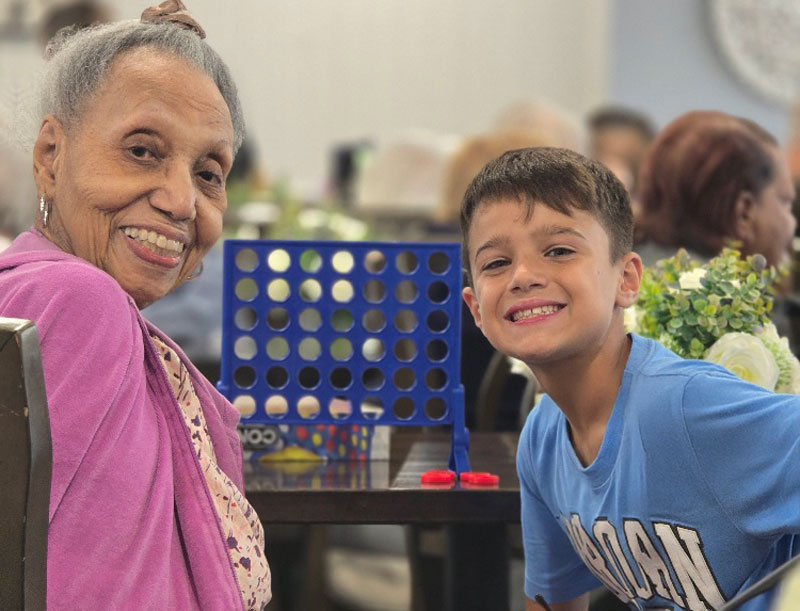
- Intergenerational bonds like baking with grandkids, reading to preschoolers, or teaching a skill to a young neighbor.
Use Technology to Bridge Distance
If in-person is not possible, set up FaceTime or Zoom calls with family. Teach them to use Facebook to see photos and updates. Sign them up for online senior communities or virtual classes.
Start simple. Use a tablet with large icons. Practice together. Patience is key.
Nurturing social connections is one of the most powerful things you can do for long-term health.
Promote Independence Through Choice
Offer Decisions, Not Assumptions
Autonomy is a basic human need. Even small choices restore control.
Try offering options:
- “Would you like tea or coffee?”
- “Which shirt do you want to wear?”
- “Would you prefer to go to the market today or tomorrow?”
Avoid speaking for them. If a doctor asks a question, let them answer even if it takes longer.
Respect Their Right to Say No
Some seniors withdraw not from depression, but from grief or a desire for peace. Pushing too hard can backfire.
If they decline an outing or activity, say, “That is okay. I am here when you are ready.” Forcing participation erodes trust.
We must do our best to make a positive impact and then distance ourselves from the situation. Detaching is easier if we remind ourselves that their choice is what they want.
Adapt the Environment for Safety and Confidence
Prevent Falls With Home Modifications
Falls are a leading cause of injury among seniors. Simple changes reduce risk.
Consider these modifications:
- Remove loose rugs
- Install grab bars in the bathroom
- Add night lights in hallways
- Use non-slip mats in showers
- Replace doorknobs with levers
Use Assistive Tools That Promote Independence
These tools are not signs of decline. They are enablers of freedom.
- Kitchen aids like electric can openers and jar grippers
- Mobility devices like canes, walkers, and shower chairs
- Smart tech like voice assistants for lights, reminders, or music
Accidents are not inevitable. It just takes awareness and simple preventive measures.
Encourage Physical and Cognitive Health
Move the Body, Sharpen the Mind
Physical activity improves mood, balance, and sleep. Aim for 150 minutes of moderate activity weekly through walking, swimming, or chair exercises.
Cognitive engagement prevents decline:
- Play card games or puzzles
- Learn a new language or instrument
- Join a book club or lecture series
Engaging in activities that challenge memory and cognitive skills is crucial for mental stimulation.
Prioritize Preventive Health Care
- Use Medicare annual wellness visits to create a prevention plan
- Stay current on screenings for blood pressure, vision, and cancer
- Review medications regularly to avoid interactions
- Seek help for persistent sadness. Depression is not normal aging
Teletherapy is accessible and often covered by insurance.
Final Thoughts on Encouraging the Elderly
Encouraging the elderly is not about cheerleading or fixing. It is about creating space for dignity, choice, and contribution. When you listen, offer meaningful roles, respect boundaries, and adapt your support, you help them thrive, not just survive.
Small actions, asking for advice, celebrating a small win, or just sitting together, add up to profound impact. You are not changing them. You are helping them remember who they have always been: capable, wise, and deeply valued.
Small changes in attitude, language, and approach can go a long way in restoring dignity and confidence in the people who raised us, taught us, or simply share our community.
Frequently Asked Questions About Encouraging the Elderly
How can I encourage an elderly person who refuses help?
Respect their autonomy first. Offer options instead of forcing assistance. Say, “Would you like help, or would you prefer to try on your own?” Sometimes stepping back and simply being available is more effective than persistent pressure.
What are simple activities to keep seniors engaged?
Gardening, walking, music, crafting, and pet interaction work well. Choose activities matching their physical ability and interests. Even small activities like solving puzzles or listening to familiar music can boost mood and cognitive function.
How do I talk to elderly parents about their feelings?
Use open-ended questions and listen without judgment. Say “What was that time like for you?” instead of “How do you feel?” Validate their emotions. Avoid rushing to solve problems. Sometimes just being present is enough.
Why do older adults lose motivation?
Motivation can decline due to retirement, grief, declining health, or shrinking social circles. Physical limitations, cognitive changes, and depression can also play a role. Understanding the cause helps in addressing it effectively.
How can I help elderly parents feel useful again?
Connect them with volunteer opportunities matching their skills. Ask for their advice. Involve them in legacy projects like recording their stories or compiling family recipes. Small daily requests like “Can you help me with this?” reinforce capability.
What should I avoid when encouraging elderly family members?
Avoid speaking for them or making decisions without their input. Do not use patronizing language like “sweetie” or “brave for your age.” Avoid taking over tasks they can do themselves. Pushing too hard when they decline activities can backfire.