You’re not imagining it. Many families notice a loved one in their later years begins to act differently, needing more reassurance, repeating questions, crying suddenly, or clinging to caregivers like a young child. This shift, often described as becoming childlike, isn’t whimsy or manipulation. It’s a real and complex response to aging’s physical, emotional, and cognitive toll.
The phrase why do the elderly become childlike captures a common but misunderstood phenomenon. It doesn’t mean seniors revert to childhood literally. Instead, they may regress emotionally or behaviorally as a coping mechanism when faced with overwhelming change like memory loss, declining health, or the death of loved ones. Understanding this behavior is the first step toward responding with empathy.
What Is Age Regression in Seniors?
Age regression in older adults describes a shift toward thinking, speaking, or acting in ways reminiscent of childhood. This isn’t a diagnosis but a behavioral response to stress, decline, or trauma.
Signs of Emotional and Cognitive Regression
The following behaviors often emerge gradually in aging adults:
- Talking in simpler terms or using baby talk
- Seeking constant approval or physical comfort
- Crying or laughing without clear triggers
- Refusing help while simultaneously needing it
- Repeating stories or questions every few minutes
- Clinging to one caregiver like a parent
A once-independent parent may suddenly need help choosing clothes, fear being alone, or believe they must go home even when already there. Regression isn’t a sign of weakness. It’s the mind’s attempt to return to a time when life felt safer or more manageable.
Dementia and Brain Changes Behind Regression
The most significant driver of childlike behavior is cognitive decline, especially from dementia and Alzheimer’s disease. As brain cells deteriorate, higher functions like memory, reasoning, and self-awareness fade.
How Dementia Triggers Behavioral Shifts
Dementia affects the brain’s ability to process information, leading to confusion and emotional instability:
- Memory loss causes repetition, like asking “Have I eaten?” five times in an hour
- Disorientation leads to delusions, such as believing a long-dead parent is coming to visit
- Language decline results in frustration, causing withdrawal or yelling
- Executive function loss means no planning, like wearing winter clothes in summer
These aren’t choices. They’re symptoms of a brain struggling to function.
The Reisberg Scale: Tracking Cognitive Decline
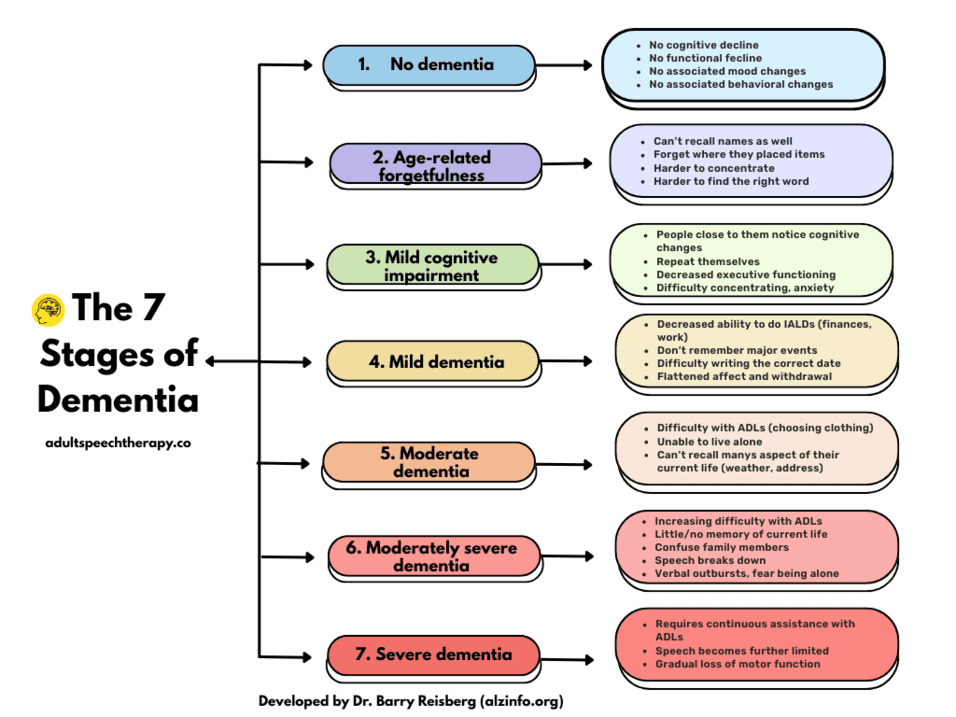
This 7-stage model shows how regression intensifies with disease progression:
| Stage | Behavior | Resembles |
|---|---|---|
| 2-3: Mild Decline | Forgets names, repeats questions | Early forgetfulness |
| 4-5: Early Dementia | Cannot manage bills, gets lost | Loss of adult independence |
| 6-7: Late Dementia | Cannot dress, speak, or walk | Infant-level dependency |
In the final stages, the brain unlearns adult skills, and the need for full-time care mirrors infancy.
Physical Decline and Sensory Loss
Even without dementia, physical aging can trigger childlike behavior. Mobility limitations and sensory decline create frustration and dependency that mimic childhood responses.
Mobility and Pain Limit Independence
Arthritis, neuropathy, or joint pain make walking or standing difficult. When seniors can’t move freely, they become dependent on others for basic tasks:
- Frustration and emotional outbursts
- Refusal to participate in care
- Clinginess or fear of being left alone
Pain that goes unnoticed because the person cannot communicate it may result in yelling, hitting, or throwing things. These aren’t tantrums. They’re cries for relief.
Hearing and Vision Loss Cause Misunderstanding
A senior with hearing loss may seem unresponsive or confused. Poor vision can make food look unappetizing or a hallway seem dangerous. When senses fail, the world becomes isolating and scary, and the person may act out from fear rather than defiance.
Loss of Control Triggers Emotional Regression
After decades of independence, needing help with bathing, dressing, or eating is deeply humiliating. This loss of control often leads to resistance.
Why Seniors Resist Care
Refusing a bath or medication isn’t being difficult. It’s often a last stand for autonomy. Each act of resistance, like saying “I can do it myself,” is a plea to feel in control, even a little. When that control is stripped away, emotional regression follows, and the brain retreats to a time when being cared for felt safe.
Emotional Needs Behind Childlike Behavior
Loneliness, grief, and unmet emotional needs are powerful triggers for regression. Understanding these needs helps caregivers respond with compassion.
Social Isolation Fuels Attention-Seeking
Many seniors live alone, outlive friends, or feel invisible. To reconnect, they may ask for help they don’t need, repeat stories to keep conversation going, or seek hugs or physical touch. These behaviors mirror children who act out for attention, not because they’re manipulative, but because connection is a basic human need.
Grief and Trauma Resurface in Old Age
The death of a spouse, a move to assisted living, or a serious diagnosis can reactivate old traumas. Regression becomes a shield, returning the mind to a time before loss. For example, a woman who survived childhood neglect may revert to thumb-sucking when hospitalized, using a self-soothing habit from youth.
Medical Causes That Mimic Regression
Not all childlike behavior stems from dementia. Some causes are treatable, making medical evaluation essential.
Medication Side Effects

Seniors often take multiple medications. Drugs like anticholinergics, sedatives, or certain painkillers can cause confusion, drowsiness, hallucinations, or personality changes. Always review medications with a doctor when behavior shifts suddenly.
Infections and Delirium
A urinary tract infection or pneumonia can trigger delirium, a sudden state of confusion. Symptoms include agitation, paranoia, incoherent speech, and childlike behavior. Unlike dementia, delirium comes on fast and can improve with treatment.
Sleep Deprivation and Sensory Overload
Poor sleep or chaotic environments overwhelm aging brains. Noisy care homes, bright lights, or overstimulation can cause tantrum-like reactions or withdrawal. Creating calm, predictable environments helps reduce these responses.
Common Childlike Behaviors and What They Mean
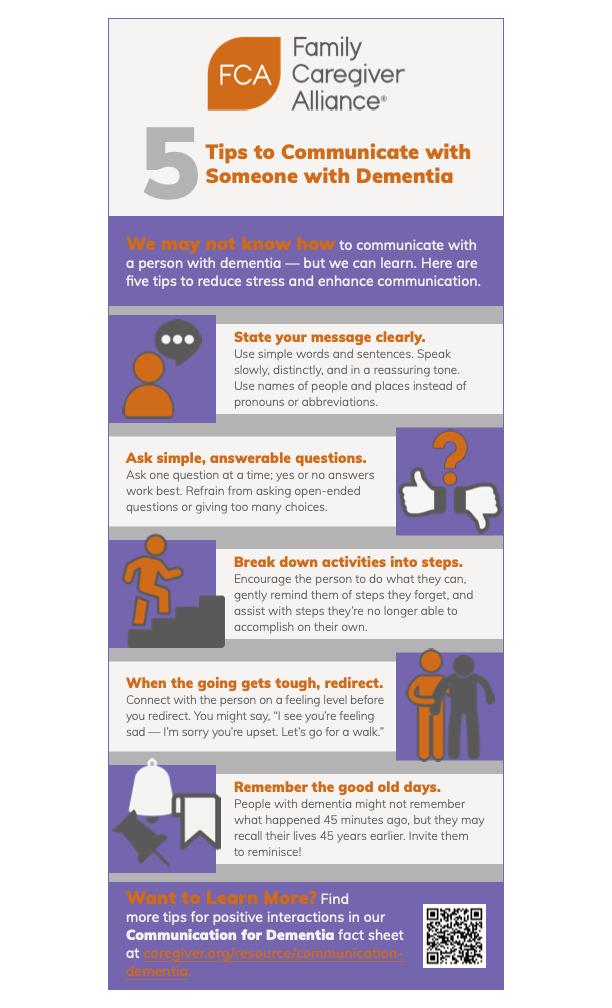
Every behavior is a form of communication. Understanding the underlying need helps caregivers respond appropriately:
| Behavior | Likely Cause | How to Respond |
|---|---|---|
| Repeating questions | Memory loss, need for reassurance | Answer calmly, don’t correct |
| Sudden crying or anger | Frustration, pain, fear | Validate: “You seem upset. I’m here.” |
| Refusing to bathe | Fear, discomfort, loss of dignity | Offer choices: “Shower now or after lunch?” |
| Believing people are stealing | Paranoia from dementia | Don’t argue. Redirect: “Let’s look together.” |
| Rocking or thumb-sucking | Deep regression, self-soothing | Provide comfort items like blankets or music |
| Asking to “go home” | Disorientation, longing for safety | Validate: “You miss home. Tell me about it.” |
Don’t Infantilize: Risks of Elderspeak
Calling an older adult sweetie, honey, or good girl may seem kind, but it’s harmful. This patronizing language, known as elderspeak, strips dignity and increases agitation.
Why Elderspeak Backfires
Elderspeak increases agitation and resistance, lowers self-esteem, accelerates cognitive decline, and makes the person feel unseen. Even in late-stage dementia, people feel emotion. They may not remember your words, but they remember how you made them feel.
The rule is simple: talk with the person, not to them. Use an adult tone, simple words, and respect.
Compassionate Care Strategies That Work
Stop Reasoning, Start Validating
Arguing with someone who has dementia is pointless because their logic center is damaged. Instead of saying “Mom, you’re not 10 years old,” try: “It sounds like you’re feeling scared. I’m right here with you.” Validation calms the nervous system without agreeing with delusions.
Redirect, Don’t Correct
If your father insists he must go to work, avoid saying “You retired 20 years ago.” Instead, say “You were such a hard worker. What did you love about your job?” Then gently shift to an activity like looking at old photos.
Keep Routines Predictable
Seniors thrive on consistency. Sudden changes trigger anxiety. Use the same care routine daily, place familiar photos nearby, and play music from their youth. Familiarity equals safety.
Engage with Purposeful Activities
Boredom worsens regression. Offer meaningful stimulation through reminiscence therapy, simple tasks like folding laundry, or creative play like singing or painting.
Support Communication Differently
Adapt your style by speaking slowly, using one idea at a time, using gestures or pictures, offering choices, and maintaining eye contact. For nonverbal seniors, watch body language for signs of pain or discomfort.
Caregiver Burnout: Protect Yourself Too
Caring for a regressing loved one is exhausting. You might feel frustrated, guilty, or overwhelmed.
Tips for Caregivers
- Educate yourself about dementia and aging to reduce fear
- Take breaks because respite care isn’t selfish
- Join a support group to share struggles with others
- Set boundaries to avoid burnout
- Avoid arguments since you can’t reason with someone whose brain cannot reason
Key Takeaways for Understanding Elderly Regression
Childlike behavior in the elderly isn’t about becoming a child. It’s about surviving loss of memory, health, identity, and control. It’s a cry for safety, love, and dignity. When your mother asks for her long-dead parent, she’s not confused about time. She’s expressing a deep need for comfort. When your father refuses help, he’s not being stubborn. He’s fighting to hold onto self-worth.
The answer isn’t correction. It’s compassion. By seeing beyond the behavior, addressing root causes, and treating your loved one as a whole person, you give them what they need most: to be seen, heard, and loved exactly as they are.
Frequently Asked Questions About Why Elderly Become Childlike
Is childlike behavior in seniors the same as dementia?
Childlike behavior can be a symptom of dementia, but it’s not exclusive to it. Physical decline, emotional distress, medication side effects, and social isolation can also cause regression without dementia being present.
Why do some seniors refuse help even when they clearly need it?
Refusing help is often a last attempt to maintain autonomy and control. After decades of independence, accepting help with basic tasks feels humiliating, so resistance becomes a way of preserving dignity.
Should I correct my loved one when they say things that aren’t true?
No. Correcting someone with dementia often increases agitation. Instead, validate the emotion behind what they’re saying and redirect their attention to something calming.
What is elderspeak and why should I avoid it?
Elderspeak is using baby talk like “sweetie” or “good girl” when speaking to older adults. It may seem kind but it strips dignity, increases resistance, and can accelerate cognitive decline.
How can I tell if medical issues are causing behavior changes?
Sudden behavior changes warrant a medical evaluation. Urinary tract infections, medication interactions, pain, and sleep deprivation can all cause delirium that mimics regression. Always consult a doctor when behavior shifts quickly.
What can I do when my loved one asks to go home when they’re already at home?
Validate the emotion by saying “You miss home” without arguing about reality. Then redirect by asking them to tell you about their home or showing familiar photos.