Kyphosis, the exaggerated forward rounding of the upper back, affects 20–40% of adults over 60. Often called “dowager’s hump,” this condition goes beyond appearance. Left unchecked, it can cause chronic pain, reduced lung capacity, balance problems, and higher fall risk. The encouraging reality? Kyphosis is largely preventable with the right approach.
This guide provides science-backed strategies to help seniors maintain an upright spine. From targeted exercises and bone health optimization to posture corrections and lifestyle habits, you will learn exactly what works to protect your back and preserve mobility.
Strengthen Postural Muscles
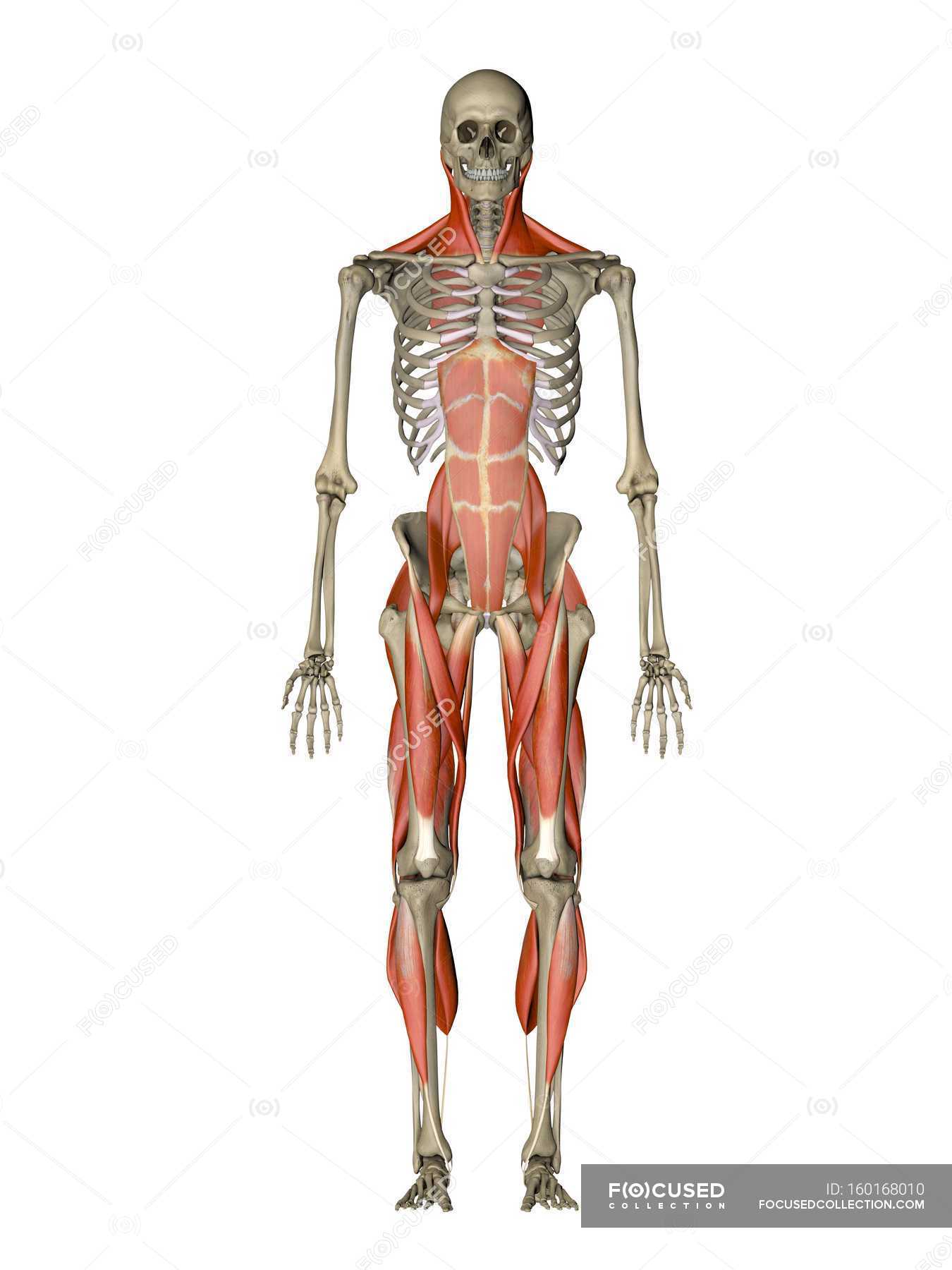
Weak upper back and core muscles are a primary driver of kyphosis. When the rhomboids, trapezius, and spinal extensors lose strength, chest muscles dominate and pull the shoulders forward. A consistent routine targeting postural stabilization and scapular control reverses this pattern.
Build Upper Back Strength
Strong upper back muscles counteract forward shoulder drift and support spinal alignment. Focus on exercises that promote scapular retraction and thoracic extension.
Standing Row with Resistance Band:
• Anchor a resistance band at waist height
• Face the anchor, grasp handles, and step back to create tension
• Pull elbows back to your ribs, squeezing shoulder blades together
• Keep neck relaxed and avoid shrugging
• Perform 3 sets of 10 reps, 2–3 times per week
Bent-Over Dumbbell Row:
• Hold light dumbbells, hinge at hips until torso is nearly parallel to the floor
• Let arms hang down, then pull weights toward lower ribs
• Squeeze back muscles at the top, then lower slowly
• Perform 4 sets of 8–10 reps
Activate Core Stabilizers
A weak core forces the spine to rely on passive structures like ligaments and discs, increasing postural collapse risk.
Dead Bug Exercise:
• Lie on your back, arms extended toward the ceiling, knees bent at 90 degrees
• Press lower back into the floor to engage your core
• Slowly extend left leg and right arm toward the floor without arching your back
• Return and switch sides
• Perform 3 sets of 6–8 reps per side
Modified Plank:
• Start on forearms and knees if a full plank is too intense
• Keep your body in a straight line without sagging hips
• Hold for 15–30 seconds, gradually increasing to 60 seconds
• Perform up to 3 sets every other day
Improve Balance and Functional Strength
Strong legs and stable hips reduce spinal load and improve posture during daily activities.
Step-Up Exercise:
• Use a low, sturdy platform (4–6 inches high)
• Hold light dumbbells at your sides
• Step up with one foot, driving through the heel
• Bring the other foot up, then step down in reverse
• Perform 2 sets of 8–10 reps per leg
Bird Dog for Coordination:
• Start on hands and knees with a neutral spine
• Extend right arm and left leg simultaneously, hold for 2 seconds, then return
• Alternate sides for 3 sets of 6–8 reps
Optimize Bone Health

Osteoporosis is a leading cause of kyphosis, particularly when vertebral compression fractures occur. These tiny collapses in the front of the spine create a wedge shape that gradually increases forward curvature.
Maximize Calcium and Vitamin D
Calcium builds bone, but without vitamin D, it cannot be absorbed effectively. Together, they form the foundation of skeletal resilience.
Daily Targets:
• Calcium: 1,200 mg for women over 50 and men over 70
• Vitamin D: 800 IU daily for adults over 70
Best Food Sources:
• Dairy products (milk, yogurt, cheese)
• Leafy greens (kale, collard greens)
• Fortified plant milks and cereals
• Fatty fish (salmon, mackerel)
• Sardines and almonds
Consider a supplement if dietary intake is insufficient or blood tests show deficiency.
Screen for Bone Density Early
Silent bone loss often goes unnoticed until a fracture occurs. A DEXA scan measures bone mineral density and detects osteopenia or osteoporosis before damage is done.
Screening Guidelines:
• Women: Start at age 65
• Men: Start at age 70
• Earlier testing if you have family history of osteoporosis, low body weight, long-term steroid use, or previous fractures from minor falls
Avoid Bone-Damaging Habits
Certain behaviors accelerate bone loss and increase fracture risk.
Stop Smoking: Nicotine reduces blood flow to bones and interferes with calcium absorption. Smokers have up to 55% higher fracture risk.
Limit Alcohol: More than 2 drinks per day impairs bone formation and increases fall risk.
Reduce Sodium and Caffeine: High salt intake increases calcium excretion. Excessive caffeine (more than 4 cups of coffee daily) may also reduce bone density.
Maintain Proper Posture Daily
Posture is a habit that protects your spine over decades. Poor alignment becomes ingrained, especially with prolonged sitting, device use, or slouching.
Practice Neutral Spine Alignment
A neutral spine preserves natural curves and evenly distributes load.
Check Your Posture:
• Stand against a wall: back of head, shoulders, and hips should touch the wall
• Ears aligned over shoulders
• Shoulders pulled back and down
• Chest lifted, chin level
Do this daily in front of a mirror to retrain muscle memory.
Fix Your Workstation
Poor ergonomics accelerate postural decline. Adjust your environment to support upright alignment.
Ideal Setup:
• Chair with lumbar support and adjustable height
• Feet flat on floor or footrest
• Knees slightly below hips
• Monitor at eye level (use a stand or books)
• Keyboard and mouse within easy reach
Take Microbreaks: Stand, stretch, or walk for 1–2 minutes every 30 minutes of sitting.
Prevent Text Neck
Looking down at phones or tablets increases cervical and thoracic strain.
Solutions:
• Hold devices at eye level
• Use a tablet stand or phone holder
• Limit screen time in reclined positions
Even 15 minutes of forward head posture adds significant stress to the spine.
Perform Safe Spinal Mobility Exercises
Flexibility prevents stiffness and supports better posture. However, not all stretches are safe for older adults, especially those with osteoporosis.
Stretch Tight Chest Muscles
Tight pectorals pull shoulders forward, worsening kyphosis.
Doorway Stretch:
• Stand in a doorway, place forearms on each side at 90 degrees
• Step forward gently until you feel a stretch across the chest
• Hold for 30 seconds, repeat 2–3 times daily
Mobilize the Thoracic Spine
A stiff mid-back contributes to rounding. Gentle extension helps restore mobility.
Foam Roller Extension:
• Place a foam roller horizontally under your upper back (just below shoulder blades)
• Support your head with hands; gently arch backward over the roller
• Roll slowly up and down 2–3 inches to mobilize 3–4 vertebrae at a time
• Perform for 1–2 minutes daily
Avoid this if you have spinal fractures or severe osteoporosis. Consult a doctor first.
Use Mind-Body Techniques
Yoga and Pilates improve postural awareness, core control, and spinal alignment, but choose wisely.
Choose Wisely:
• Avoid forward bends, deep twists, or crunches
• Opt for senior-friendly or osteoporosis-safe classes
• Focus on breath, alignment, and gentle movement
Even 10 minutes a day can make a difference.
Avoid High-Risk Movements
Some common exercises and daily habits can increase fracture risk and worsen kyphosis, especially in those with low bone density.
Stop Spinal Flexion Under Load
Bending forward while lifting or exercising puts extreme pressure on the front of the vertebrae.
Exercises to Avoid:
• Sit-ups and crunches
• Standing toe touches
• Seated forward bends
• Russian twists with resistance
These movements can trigger vertebral compression fractures, even from minor strain.
Use Safe Bending Techniques
Replace harmful bending with the hip hinge, a spine-protective movement.
How to Hip Hinge:
• Stand with feet hip-width apart
• Push hips backward while keeping your back straight
• Lower torso to about 45 degrees
• Return by squeezing your glutes
• Practice 3 sets of 10 reps daily
Use this motion when picking up objects, gardening, or getting in and out of chairs.
Avoid Reclined Sitting
Sitting in a reclined position encourages slouching and weakens postural muscles.
Better Option:
• Sit in chairs with upright back support and lumbar cushioning
• Keep feet flat and knees slightly below hips
• When driving, adjust your seat to be upright, not reclined
Adopt Kyphosis-Preventing Lifestyle Habits
Long-term spine health depends on daily choices. Small, consistent habits compound into major protection over time.
Stay Physically Active
Movement is medicine for the spine.
Recommended Weekly Activity:
• 150 minutes of moderate aerobic exercise (brisk walking, swimming)
• 2 or more days of strength training
Weight-bearing activities like walking stimulate bone growth and improve balance.
Quit Smoking for Spine Health
Smoking reduces oxygen delivery to spinal tissues and accelerates disc degeneration. It also impairs fracture healing and increases osteoporosis risk.
Quitting, even later in life, can slow bone loss and improve circulation to the spine.
Manage Medications Carefully
Some drugs contribute to bone loss.
High-Risk Medications:
• Long-term corticosteroids (prednisone)
• Certain antidepressants (SSRIs)
• Proton pump inhibitors with prolonged use
Talk to your doctor about alternatives or protective measures if you are on these.
Seek Professional Support Early
You do not have to prevent kyphosis alone. Experts can catch issues early and tailor a plan to your needs.
Consult a Physical Therapist
A PT can assess your posture and muscle imbalances, design a personalized exercise program, correct form in real time, and use taping or manual therapy to improve alignment.
Even 4–6 sessions can teach habits that last a lifetime.
Get Medical Evaluation If Needed
See a doctor if you notice increasing upper back rounding, new back pain or stiffness, difficulty standing straight, or balance problems.
Diagnostic tools like X-rays (to measure Cobb angle) and DEXA scans help determine risk and guide treatment.
Bracing Is Not a Prevention Tool
Back braces are not recommended for preventing kyphosis in older adults. While they may offer temporary support, they do not strengthen muscles or address root causes. In some cases, they can lead to muscle atrophy from disuse.
Frequently Asked Questions About Preventing Kyphosis in the Elderly
Can kyphosis be reversed in seniors?
Early-stage kyphosis can often be improved or stabilized with consistent exercise, posture correction, and bone health management. Advanced structural kyphosis from vertebral compression fractures is harder to reverse, but treatment can prevent further progression.
What is the best exercise for preventing kyphosis?
Exercises that strengthen upper back muscles (rows, scapular squeezes) and core stabilizers (planks, dead bugs) are most effective. These muscles counteract forward shoulder drift and support spinal alignment.
How much calcium do older adults need to prevent kyphosis?
Women over 50 and men over 70 need 1,200 mg of calcium daily. Vitamin D (800 IU daily) is equally important for calcium absorption.
Does walking help prevent kyphosis?
Yes, walking is a weight-bearing exercise that stimulates bone growth and improves balance. Aim for 150 minutes of moderate activity per week.
When should I see a doctor about kyphosis?
See a doctor if you notice increasing upper back rounding, new back pain, difficulty standing straight, or balance problems. Early evaluation allows for timely intervention.
Key Takeaways for Preventing Kyphosis in Seniors
Preventing kyphosis in the elderly is not about drastic changes. It is about consistent, smart habits that add up over time.
The most important actions are:
• Strengthening postural muscles (upper back, core) through targeted exercises 2–3 times per week
• Protecting bone health with adequate calcium (1,200 mg), vitamin D (800 IU), and regular DEXA screening
• Maintaining proper posture throughout daily activities, including workstation ergonomics
• Avoiding high-risk movements like spinal flexion under load (crunches, toe touches)
• Staying physically active with 150 minutes of weekly aerobic exercise plus strength training
Start today. Even small steps now can keep your spine strong and upright for years to come. If you notice early signs of postural change, consult a physical therapist or doctor to develop a personalized prevention plan.