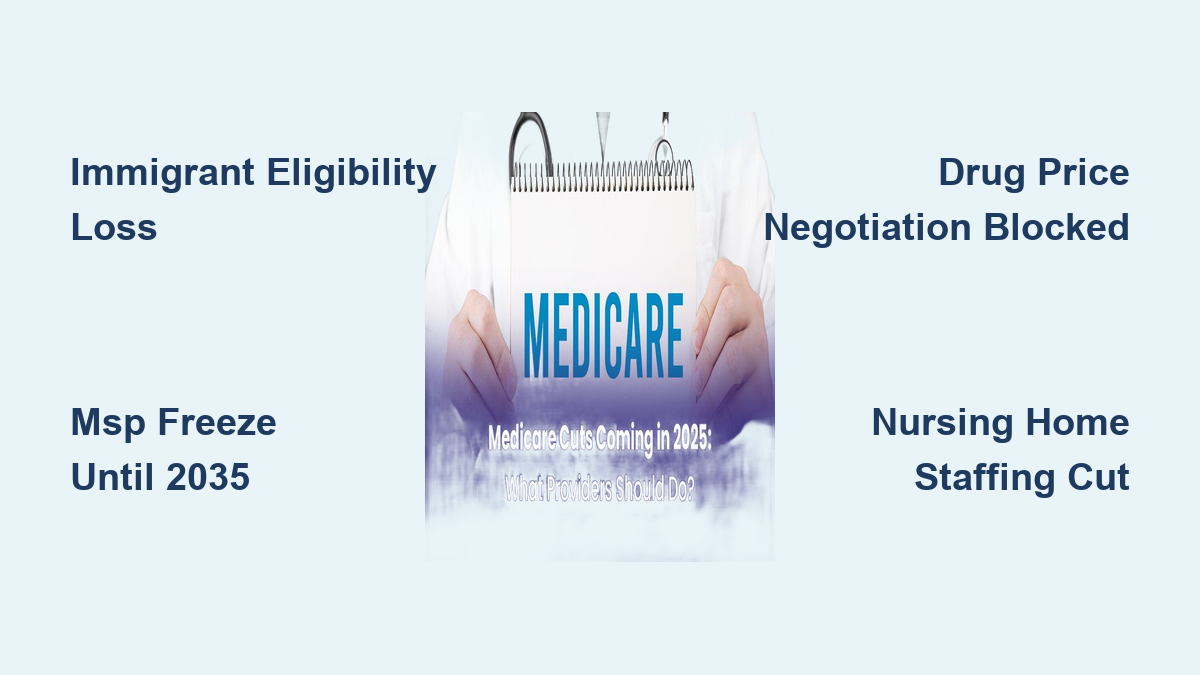
Millions of seniors are facing a new reality as sweeping Medicare cuts take effect under the One Big Beautiful Bill Act, signed into law in July 2025. This legislation includes over $1 trillion in health care reductions, representing the largest rollback of federal health support in U.S. history. While tax cuts were extended, the cost is being shoulder-ed by vulnerable older Americans who now face higher out-of-pocket costs, reduced access to essential care, and potential coverage loss.
This guide breaks down exactly how these Medicare cuts will affect seniors, from eligibility changes for immigrant elders to Medicaid reductions that threaten home care services. You will learn who is most at risk, what benefits are being cut, and what steps you can take to protect your health coverage.
Medicare Eligibility Changes for Immigrant Seniors
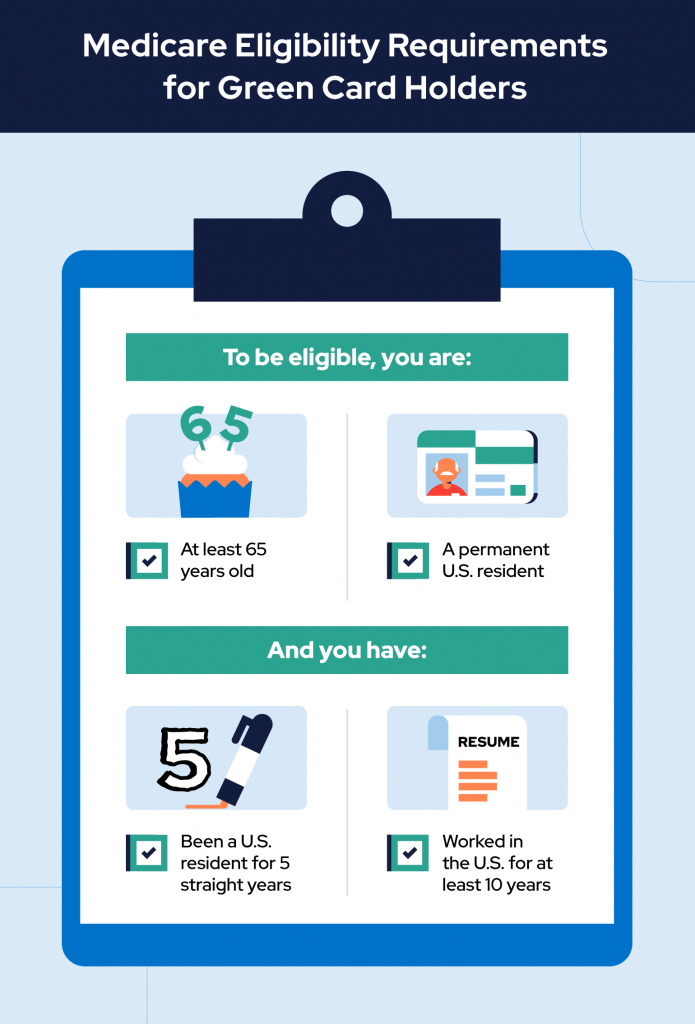
One of the most dramatic shifts under the OBBB narrows Medicare eligibility for lawfully present non-citizens, directly impacting thousands of seniors who have lived and worked in the U.S. legally.
New 10-Year Residency Requirement
As of July 2025, only the following individuals may newly enroll in Medicare: U.S. citizens, lawful permanent residents with at least 10 years of continuous U.S. residence, and refugees or asylees. This marks a sharp departure from prior policy, which allowed eligibility based on work history regardless of how long someone had lived in the country.
Who Loses Coverage
Seniors affected include legal residents who worked and paid Medicare taxes but have lived in the U.S. for less than 10 years, DACA recipients and TPS holders over age 65, and long-term residents awaiting citizenship. Even those who contributed for decades may lose coverage if they do not meet the new time-based requirement.
Timeline for Termination
Social Security begins identifying current beneficiaries who no longer qualify by July 2026. Coverage termination begins in January 2027. Once dropped, affected seniors cannot re-enroll unless they become citizens or meet the 10-year threshold. With ACA Marketplace eligibility also blocked for this group, many will have no affordable alternatives.
Medicare Savings Programs Blocked Until 2035
Low-income seniors who rely on Medicare Savings Programs to afford care are now at risk due to a nine-year federal freeze on improving these critical programs.
What MSPs Do for Seniors
MSPs help eligible seniors pay for Medicare Part B premiums, Part A and B deductibles and coinsurance, and some prescription drug costs. There are three main types: QMB covers full costs, SLMB covers Part B premium only, and QI also covers Part B but has limited funding.
Impact of the 2035 Implementation Ban
The OBBB prohibits states from modernizing MSPs until fiscal year 2035, meaning no simplified applications, no automatic enrollment, and no streamlined eligibility verification. The CBO estimates that over $66 billion in savings comes not from fraud reduction but from denying benefits to eligible people.
Financial Risk for Seniors
Without MSP assistance, a $174.70 monthly Part B premium becomes unaffordable. Unpaid premiums lead to Medicare Part B termination, which often triggers loss of supplemental coverage like Medigap or Part C.
Drug Price Negotiation Blocked for Orphan Drugs
Seniors who rely on high-cost medications for rare diseases face skyrocketing drug prices due to a key exemption in the OBBB.
What Changed Under the New Law
The 2022 Inflation Reduction Act allowed Medicare to negotiate prices for top-selling drugs. The OBBB exempts orphan drugs, treatments for rare conditions affecting fewer than 200,000 people, from this negotiation process.
Why Orphan Drugs Matter
Orphan drugs are among the most expensive medications, with some costing $500,000 or more per year. They treat conditions like ALS, Huntington’s disease, and rare cancers. By blocking negotiation, Medicare cannot control these prices, leading to higher Part D premiums for all beneficiaries and increased out-of-pocket costs in the coverage gap.
Nursing Home Staffing Standards Stopped
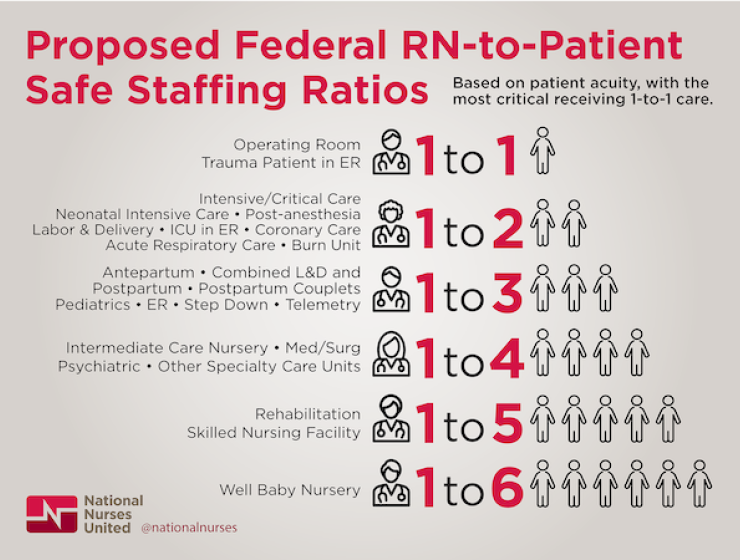
Seniors in long-term care facilities face higher risks of neglect and poor outcomes as the OBBB blocks federal nursing home staffing rules.
What Standards Were Proposed
CMS had drafted a rule requiring 4.0 nursing hours per resident per day, at least 0.55 hours from registered nurses, and public reporting of staffing levels. These standards were intended to improve patient safety and care quality.
What the OBBB Does
The law prohibits implementation of these standards. Facilities can now operate with dangerously low staffing, especially in states without strong regulations. Without minimum standards, care quality becomes a lottery based on location and facility budget.
Risks to Seniors
Understaffed nursing homes are linked to increased infections, more falls and pressure ulcers, delayed responses to emergencies, and higher hospitalization rates.
Medicaid Cuts Hit Dual-Eligible Seniors Hardest

Approximately 12 million Americans rely on both Medicare and Medicaid. Of these, 8 million are seniors who use Medicaid to cover what Medicare does not, like long-term care, dental care, and transportation.
Loss of Home and Community-Based Services
Medicaid is the primary funder of HCBS, which allow seniors to live at home instead of in nursing facilities. With HCBS classified as optional, states facing budget pressure will cut or restrict access. Services like home health aides, meal delivery, personal care, and adult day care are all at risk.
Increased Administrative Hurdles
The OBBB delays federal efforts to simplify Medicaid applications and renewals until 2035. Seniors must reapply frequently, submit paper forms and proof of income, and risk losing coverage due to missed deadlines. Studies show that even small paperwork barriers cause eligible people to lose coverage.
Work Requirement Confusion
While work rules target able-bodied adults, dually eligible seniors are receiving incorrect notices demanding proof of employment. System errors can lead to unintended disenrollment and loss of Medicare Part B.
Shorter Retroactive Coverage Window
Starting in 2027, Medicaid will only cover medical bills from the two months prior to application, down from three. This change affects seniors who wait to apply due to confusion or illness, or those experiencing sudden health crises.
Home Equity Cap Threatens Middle-Class Seniors
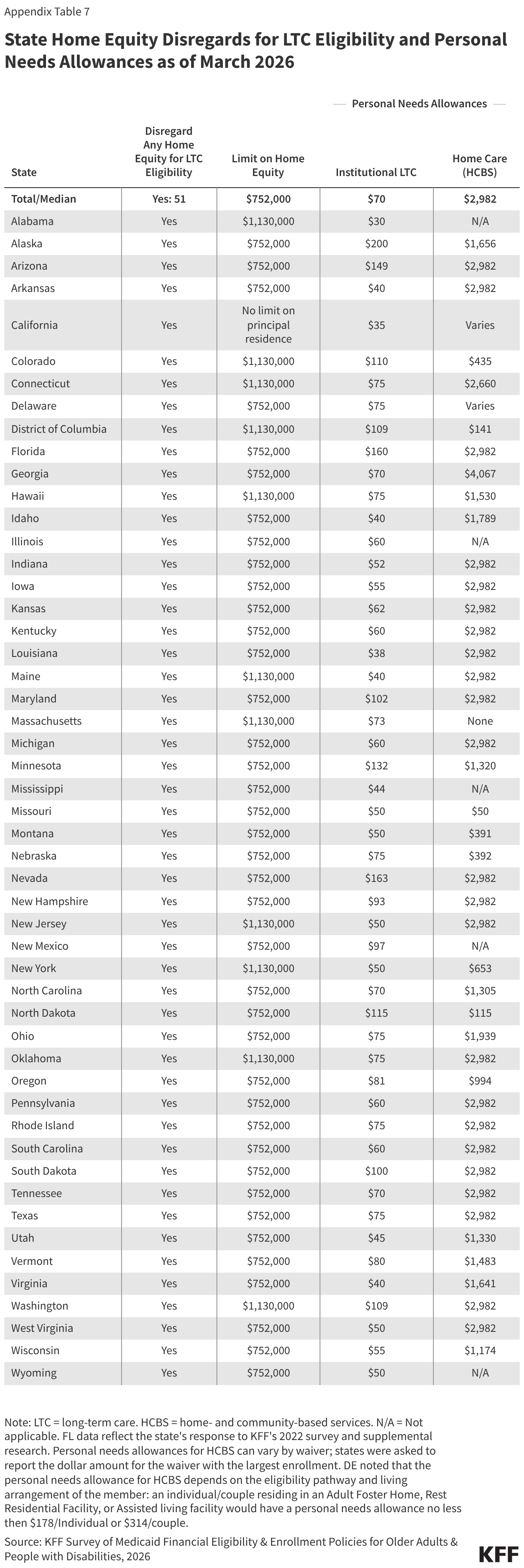
Beginning January 1, 2028, the OBBB caps the home equity exemption at $1 million and eliminates future inflation adjustments.
Who Is Affected
Seniors in high-cost states like California, New York, and Massachusetts face the biggest impacts. Middle-class homeowners who planned to age in place may be denied Medicaid long-term care unless they sell or transfer ownership. A couple in San Francisco with a $1.2 million home may be denied coverage, putting their financial security at risk.
State-by-State Impact Variability
The impact of these cuts varies widely depending on where you live.
High-Risk States
California has a large immigrant senior population and high home values. New York relies on provider taxes and has expansive HCBS programs. Texas has a large rural population with limited state-funded safety net. Florida has a high number of retirees and rising housing costs.
States That May Protect More
Oregon and Washington have strong state-funded HCBS programs. Minnesota and Wisconsin have robust aging support networks. However, even in protective states, federal funding cuts limit what they can do.
Seniors Most at Risk From Medicare Cuts
Not all seniors will be affected equally. Low-income and dual-eligible seniors rely on MSPs and Medicaid for cost-sharing and are most vulnerable to administrative barriers. Immigrant elders, especially those with legal status but less than 10 years of residence, may have paid taxes for decades but now lose coverage. Rural and isolated seniors have fewer alternative providers and greater dependence on HCBS. Seniors with chronic conditions like diabetes, heart disease, and dementia need consistent access to medications, aides, and specialists. Black, Latino, and Indigenous seniors face higher rates of dual eligibility and already experience disparities in care access.
Projected Outcomes and Systemic Consequences
The ripple effects go beyond individual seniors. The CBO projects 10 million people will lose health insurance coverage. Medicaid funding is cut by $990 billion over 10 years. Medicare funding loss between 2026 and 2034 is approximately $500 billion. Despite the cuts, the national debt will increase by at least $3.4 trillion.
Broader impacts include more medical debt as seniors skip care or ration meds, higher ER use as preventable crises increase, nursing home overcrowding as HCBS vanish, family caregivers forced out of work to fill care gaps, and worsening health equity as marginalized groups are hit hardest.
What Seniors Can Do Now to Protect Coverage
While the situation is serious, action can still protect your health and rights.
Verify Your Enrollment Status
Contact Social Security for Medicare, your state Medicaid agency for MSP or full benefits, or call 1-800-MEDICARE. Confirm you are enrolled in Medicare Parts A, B, C, and D, Medicaid if applicable, and Extra Help for Part D subsidies.
Understand Your Protections
Dually eligible seniors are not subject to work requirements. You cannot be dropped from Medicaid without notice. Appeals are available for denials.
Seek Free Help
SHIP provides free counseling on Medicare and Medicaid. Legal aid organizations can fight improper terminations. Area Agencies on Aging offer local resources and advocacy.
Document Everything
Keep records of application confirmations, renewal notices, denial letters, and all correspondence with agencies.
Explore Alternatives
If coverage is lost, investigate state-funded programs for immigrants, charitable pharmacy programs like PAN Foundation or Rx Outreach, and community health centers that offer sliding-scale fees for care.
Key Takeaways for Protecting Your Medicare Benefits
The One Big Beautiful Bill Act is reshaping health care for seniors in profound and often hidden ways. From immigrant elders losing hard-earned benefits to low-income retirees facing impossible choices, the human cost is mounting. The most critical points to remember are that Medicare eligibility has been restricted for legally present immigrants, MSP improvements are blocked until 2035, and Medicaid cuts threaten home care services that keep millions of seniors out of nursing facilities. By staying informed, verifying your eligibility, and seeking help early, you can protect your access to care. Contact your State Health Insurance Assistance Program immediately if you receive any notice about coverage changes, and document everything to protect your rights.
Frequently Asked Questions About Medicare Cuts
Will current Medicare beneficiaries lose their coverage?
Most current beneficiaries will not lose coverage unless they are lawfully present immigrants who do not meet the new 10-year residency requirement. Social Security will identify affected individuals by July 2026, with coverage terminating in January 2027.
What are Medicare Savings Programs and who qualifies?
MSPs are federal programs that help low-income seniors pay for Medicare premiums and cost-sharing. The three main types are QMB, SLMB, and QI. Eligibility is based on income and asset limits that vary by state.
How do Medicaid cuts affect seniors who have both Medicare and Medicaid?
Dual-eligible seniors rely on Medicaid to cover services Medicare does not, including long-term care, dental, vision, hearing, and transportation. Medicaid cuts threaten all of these supplemental benefits, placing millions at risk of losing critical support.
Can seniors appeal if they lose coverage due to these changes?
Yes. Both Medicare and Medicaid have appeal processes. If you receive a termination notice, contact your State Health Insurance Assistance Program or a legal aid organization immediately to contest improper denials.
What should I do if I receive a work requirement notice for Medicaid?
Dually eligible seniors are not subject to Medicaid work requirements. If you receive such a notice, it is likely a system error. Contact your State Health Insurance Assistance Program immediately to resolve the issue and protect your coverage.