Hiccups may seem like a minor annoyance, but in the elderly, persistent episodes can signal serious health issues and significantly disrupt daily life. Medically known as singultus, hiccups are sudden, involuntary contractions of the diaphragm followed by a sharp closure of the vocal cords, producing the familiar “hic” sound. While most cases resolve within minutes, older adults are more prone to prolonged hiccups due to age-related changes, chronic conditions, and medication use.
This guide provides a clear, actionable approach to managing hiccups in older adults. You will learn safe home remedies, when to seek medical help, how to identify red flags, and what treatments work best, ensuring you are equipped to respond quickly and effectively.
Common Hiccup Triggers in Seniors
Elderly individuals often experience transient hiccups due to everyday factors that affect digestion, nerve function, or breathing patterns. Recognizing these common triggers is the first step in prevention and relief.
Overeating and Fast Eating Habits
Eating too much or too quickly causes stomach distension, which presses against the diaphragm and irritates the vagus nerve. This mechanical stimulation can trigger hiccups. Seniors with reduced digestive motility are especially vulnerable.
What to watch for: Bloating, burping, or hiccups shortly after meals.
Prevention tip: Encourage smaller, more frequent meals and thorough chewing.
Carbonated Drinks and Alcohol Use
Fizzy beverages and alcohol increase gas in the stomach and stimulate acid production, both of which can provoke hiccups. Alcohol also affects central nervous system control of breathing.
At-risk individuals: Those with GERD or a history of gastritis.
Solution: Replace soda with still water and limit alcohol intake.
Swallowing Air During Meals
Poorly fitting dentures, dry mouth, or eating while talking can cause excess air intake. This trapped air expands the stomach and stimulates hiccup reflexes.
Visual cue: Frequent burping or bloating after meals.
Fix: Ensure dentures fit properly, drink fluids between bites, and eat in a calm environment.
Sudden Temperature Changes in Food
Alternating hot and cold foods rapidly changes the temperature in the esophagus and stomach, potentially shocking the nerves involved in the hiccup reflex.
Example: Drinking ice water right after hot soup.
Advice: Allow food and drinks to reach a moderate temperature before consuming.
Emotional Stress and Anxiety
Stress activates the brain-gut axis, altering neurotransmitter levels and increasing vagal nerve activity, both linked to hiccup onset.
Signs: Hiccups that start during tense situations or worsen with worry.
Management: Practice deep breathing, mindfulness, or gentle music therapy to calm the nervous system.
When Hiccups Signal Serious Health Issues
Persistent hiccups, lasting more than 48 hours, are not normal in older adults and often point to an underlying medical condition. Unlike transient hiccups, these require clinical evaluation to prevent complications.
Hiccups Linked to Stroke or Brainstem Injury
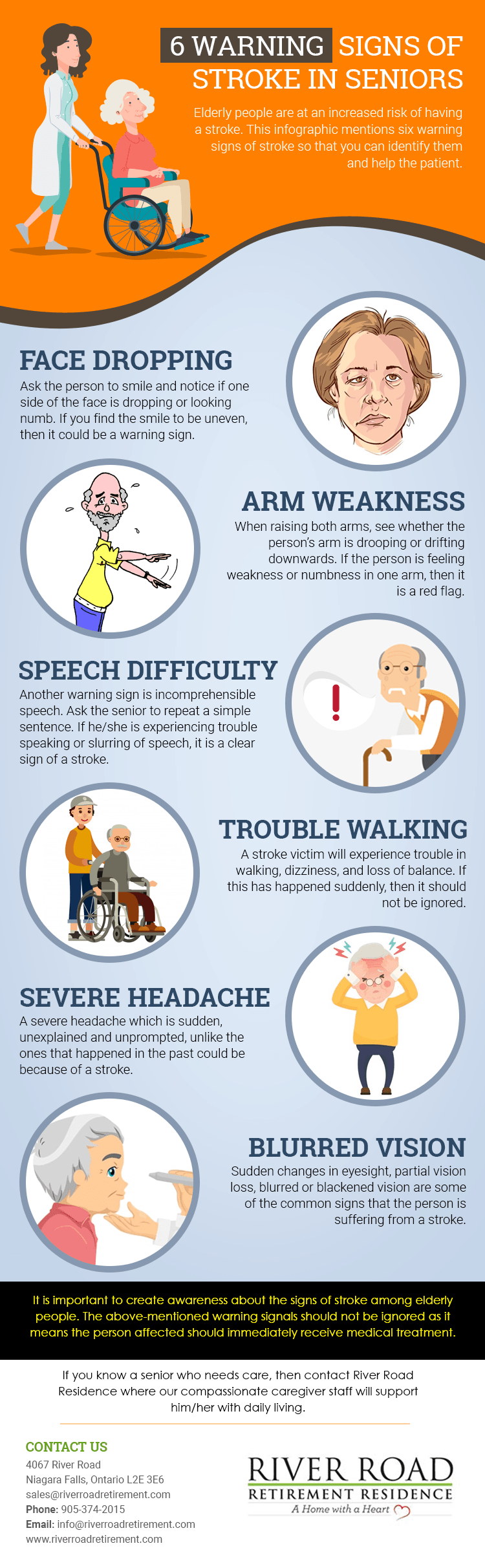
A hiccup episode that starts suddenly and will not stop may indicate a brainstem lesion, especially after a stroke or TIA. The medulla oblongata houses the hiccup reflex center, and damage here can cause intractable hiccups.
Red flags:
• Slurred speech
• Facial drooping
• Limb weakness
• Confusion
Action: Use FAST (Face, Arms, Speech, Time) to assess for stroke, and seek emergency care immediately if any signs present.
GERD Connection
Chronic acid reflux irritates the esophagus and stimulates vagal afferents, triggering hiccups. Many seniors with nighttime hiccups have undiagnosed GERD.
Symptoms to note:
• Heartburn
• Sour taste in mouth
• Coughing at night
• Hiccups after lying down
Fix: Elevate the head of the bed, avoid late meals, and consider over-the-counter antacids under a doctor’s guidance.
Kidney Failure and Uremic Toxins
In renal failure, toxins build up in the blood and affect brain function, including areas that regulate breathing. This can lead to persistent hiccups.
Associated signs:
• Fatigue
• Swelling in legs
• Reduced urine output
• Metallic taste
Next step: Blood tests (BUN, creatinine) to evaluate kidney function.
Medication-Induced Hiccups
Polypharmacy increases the risk of drug-related hiccups. Common culprits include:
• Corticosteroids (e.g., prednisone)
• Opioids
• Benzodiazepines
• Antipsychotics
• NSAIDs
Clue: Hiccups began shortly after starting a new medication.
Important: Never stop prescribed drugs without consulting a healthcare provider.
Diabetic Neuropathy and Metabolic Imbalances
Uncontrolled diabetes can damage nerves, including the phrenic and vagus nerves. Electrolyte imbalances (low potassium, sodium, calcium) also disrupt nerve signaling.
Testing needed: Glucose, HbA1c, and electrolyte panel.
Prevention: Maintain stable blood sugar and stay hydrated.
Safe Home Remedies That Work
For short-term hiccups, several non-invasive techniques can help reset the hiccup reflex. Most are low-risk and easy to try at home, but always consider the senior’s overall health first.
Hold Breath to Reset Diaphragm
Holding your breath increases carbon dioxide levels in the blood, which may suppress diaphragmatic spasms.
How to do it:
1. Take a slow, deep breath.
2. Hold it for 10 to 20 seconds.
3. Exhale slowly.
4. Repeat 3 to 4 times.
Best for: Alert individuals without respiratory or heart conditions.
Try the FISS Maneuver
The Forced Inspiratory Suction and Swallow (FISS) technique had a 92% success rate in a 2021 JAMA study.
Steps:
1. Inhale forcefully through a narrow opening (like a straw).
2. Immediately swallow.
3. Repeat up to three times.
Why it works: Creates strong sensory input to the vagus nerve, interrupting the hiccup cycle.
Sip Ice-Cold Water Slowly
Cold liquids can numb the pharynx and alter vagal tone.
Tip: Drink from the far side of the glass by leaning forward and looking up. This changes swallowing mechanics and may stop spasms.
Caution: Avoid in those with swallowing difficulties or aspiration risk.
Swallow a Teaspoon of Sugar or Honey
The granular texture stimulates the back of the throat, activating the vagus nerve.
Procedure:
• Place one teaspoon of sugar or honey on the tongue.
• Swallow without water.
Note: Use honey only if no diabetes is present. Avoid in dysphagia.
Perform Controlled Breathing Exercises
Slow, rhythmic breathing calms the autonomic nervous system and may stop hiccups.
Method:
1. Inhale through the nose for a count of 5.
2. Hold for 2 to 3 seconds.
3. Exhale through the mouth for 5.
4. Repeat 5 to 10 times.
Benefit: Also reduces anxiety, a common hiccup trigger.
Avoid Dangerous Hiccup Cures
Some traditional hiccup remedies pose serious risks, especially for older adults with heart, eye, or neurological conditions.
Do Not Press on the Eyeballs
Applying pressure to the eyes stimulates the oculocardiac reflex and vagus nerve but can increase intraocular pressure.
Danger: Can trigger glaucoma attacks or retinal damage.
Avoid in: Anyone with eye disease or poor vision.
Skip Carotid Sinus Massage
Massaging the carotid artery in the neck can slow heart rate via vagal stimulation, but it may dislodge plaque.
Risk: Stroke, especially in seniors with carotid bruits or history of TIA.
Never attempt at home.
No Breath-Holding in Heart or Lung Disease
While breath-holding helps many, it can strain the cardiovascular system.
Contraindicated in:
• COPD
• Heart failure
• Arrhythmias
Alternative: Use gentle breathing techniques instead.
Avoid Startling the Person
A sudden fright might stop hiccups by resetting the nervous system, but it can also cause falls or cardiac events.
Too risky for: Frail elderly, those with heart conditions, or cognitive impairment.
Medical Treatments for Long-Lasting Hiccups
If hiccups persist beyond two days or interfere with eating, sleeping, or breathing, medical treatment is essential. The goal is to treat the root cause, and if none is found, use targeted medications.
Haloperidol and Baclofen
These drugs are preferred in elderly patients due to better safety profiles compared to older options.
Haloperidol for quick relief:
• Starting dose: 2 to 5 mg orally or subcutaneously
• Maintenance: 1 to 4 mg three times daily
• Why it works: Blocks dopamine receptors involved in the hiccup reflex
• Benefits: Less sedating than chlorpromazine, lower risk of low blood pressure
• Watch for: Dizziness, QT prolongation, extrapyramidal symptoms
Best for: Palliative care or acute hospital settings.
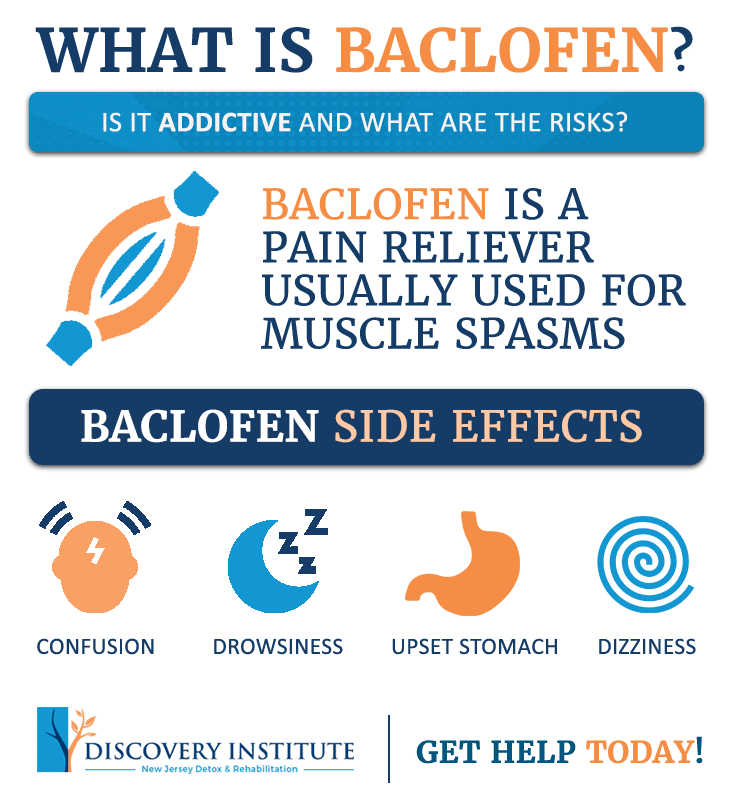
Baclofen to calm nerve signals:
• Dose: 5 mg three times daily, adjustable
• Mechanism: GABA-B agonist that reduces nerve transmission in the hiccup pathway
• Evidence: Only drug tested in a randomized controlled trial for hiccups
• Side effects: Drowsiness, confusion, weakness. Start low, go slow.
• Withdrawal risk: Taper off gradually to avoid seizures
Ideal for: Neurological or idiopathic hiccups.
Gabapentin: Dual Benefit for Pain and Hiccups
• Dose: Start at 100 to 300 mg at bedtime, increase as needed
• Advantage: Helps with neuropathic pain and hiccups
• Useful in: Cancer patients or those with nerve damage
• Tolerability: Generally better than antipsychotics
Monitoring: Watch for swelling, dizziness, or mood changes.
Nifedipine for Fast-Acting Relief
• Dose: 10 mg chewed or sublingual for acute episodes
• Mechanism: Relaxes esophageal and gastric muscles
• Onset: Works within minutes
• Safety: Well-tolerated in seniors already taking it for high blood pressure
Note: Only use under medical supervision.
Avoid Chlorpromazine Unless Necessary
Though FDA-approved for intractable hiccups, chlorpromazine carries high risks in the elderly:
• Severe sedation
• Orthostatic hypotension (fall risk)
• Anticholinergic effects (confusion, constipation)
• Extrapyramidal symptoms
Reserve for: Younger, healthier patients or when other options fail.
Diagnostic Steps for Persistent Hiccups

Hiccups lasting over 48 hours in an older adult warrant a full medical workup. The aim is to identify and treat the underlying cause.
Start with a Detailed Health Review
The doctor will ask about:
• Onset and duration of hiccups
• Diet, alcohol, and medication use
• Recent surgeries or illnesses
• Neurological or gastrointestinal symptoms
Key question: Did the hiccups start after a new medication?
Perform a Targeted Physical Exam
The physical assessment focuses on systems linked to hiccups:
• Neck: Check for goiter or masses pressing on nerves
• Abdomen: Look for distension, tenderness, or hernia
• Neurological: Test for weakness, coordination, or reflex changes
• Cardiopulmonary: Listen for heart murmurs or lung abnormalities
Order Essential Diagnostic Tests
| Test | Purpose |
|---|---|
| Blood work | Check electrolytes, kidney function, glucose, liver enzymes |
| Chest X-ray | Rule out lung tumors, pleural effusion, or diaphragm elevation |
| CT/MRI brain | Detect stroke, tumor, or MS plaques |
| Abdominal ultrasound/CT | Identify hiatal hernia, gastric stasis, or liver disease |
| ECG | Exclude cardiac causes like inferior MI |
| Upper endoscopy (EGD) | Diagnose GERD, gastritis, or ulcers |
| pH monitoring | Confirm acid reflux |
Priority: Rule out stroke, tumor, or metabolic crisis first.
Prevention Strategies for Older Adults
Preventing hiccups is easier than treating them, especially in seniors with complex health needs. Simple lifestyle adjustments can reduce frequency and severity.
Eat Mindfully to Avoid Triggers
• Chew food thoroughly to reduce air swallowing
• Eat smaller meals to prevent stomach distension
• Avoid eating 2 to 3 hours before bedtime to reduce nighttime reflux
Pro tip: Serve meals in a quiet, relaxed setting to minimize stress-induced hiccups.
Manage GERD and Gastric Health
• Stay upright after meals for at least 30 to 60 minutes
• Elevate the head of the bed if reflux is an issue
• Limit spicy, fatty, or acidic foods
Consider: Short-term use of antacids or H2 blockers under medical advice.
Review Medications Regularly
Schedule a quarterly medication review with the doctor or pharmacist to:
• Identify hiccup-inducing drugs
• Adjust doses
• Eliminate unnecessary prescriptions
Common offenders: Steroids, opioids, benzodiazepines, NSAIDs.
Ensure Proper Denture Fit
Ill-fitting dentures cause chewing inefficiency and air swallowing.
Action: Visit a dentist annually to check fit and function.
Control Chronic Conditions
Optimize management of:
• Diabetes (stable glucose)
• Kidney disease (regular monitoring)
• Neurological disorders (medication adherence)
Goal: Reduce systemic triggers of hiccups.
When to See a Doctor Immediately
Not all hiccups require urgent care, but some do. Know the warning signs that mean it is time to seek help.
Red Flags Requiring Medical Evaluation
Seek prompt care if the person has:
• Hiccups lasting more than 48 hours
• Inability to eat, drink, or sleep
• Unintentional weight loss
• Neurological symptoms (weakness, confusion, speech problems)
• Chest pain or shortness of breath
These may indicate stroke, tumor, or metabolic crisis.
Emergency Symptoms: Call 911
Get emergency help if hiccups occur with:
• Facial drooping, arm weakness, slurred speech (signs of stroke)
• Sudden chest pain, rapid breathing, coughing up blood (possible pulmonary embolism)
• Severe abdominal pain or vomiting
These are life-threatening conditions that need immediate intervention.
Final Tips for Caregivers and Families
Managing hiccups in elderly loved ones requires patience, observation, and timely action.
Keep a Hiccup Diary
Track:
• When hiccups start and stop
• Possible triggers (meals, stress, meds)
• What remedies were tried and their effect
This helps doctors identify patterns and causes.
Prioritize Comfort and Dignity
Persistent hiccups can be embarrassing and exhausting. Offer reassurance and support.
Do:
• Stay calm
• Encourage rest
• Help with feeding if needed
Do not:
• Mock or dismiss the issue
• Push ineffective or risky remedies
Work with Healthcare Providers
Always involve a doctor before starting medications. Coordinate care between primary care, neurology, and gastroenterology when needed.
Ask:
• “Could this be a side effect of a medication?”
• “What tests should we run?”
• “Is this related to an underlying condition?”
Frequently Asked Questions About How to Stop Hiccups in Elderly
What is the fastest way to stop hiccups in an elderly person?
The FISS (Forced Inspirative Suction and Swallow) maneuver is one of the most effective methods, with a 92% success rate according to research. This involves inhaling forcefully through a narrow opening like a straw and immediately swallowing. Other quick options include holding breath for 10 to 20 seconds, sipping ice-cold water slowly, or swallowing a teaspoon of sugar.
How long should I wait before seeking medical help for elderly hiccups?
If hiccups last more than 48 hours in an older adult, you should seek medical evaluation. Prolonged hiccups can signal serious underlying conditions like stroke, GERD, kidney failure, or medication side effects. Seek emergency care immediately if accompanied by chest pain, shortness of breath, facial drooping, or slurred speech.
Are there any home remedies that are unsafe for elderly individuals?
Yes, certain remedies should be avoided in seniors. Do not press on the eyeballs as it can trigger glaucoma. Avoid carotid sinus massage due to stroke risk. Skip breath-holding if the person has heart or lung disease. Also avoid startling the person, as it may cause falls or cardiac events in frail elderly individuals.
Can medications cause hiccups in elderly patients?
Yes, polypharmacy is a common cause of hiccups in older adults. Medications that commonly trigger hiccups include corticosteroids, opioids, benzodiazepines, antipsychotics, and NSAIDs. If hiccups began after starting a new medication, contact the prescribing doctor to discuss alternatives. Never stop prescribed medications without medical supervision.
What are the best medications for treating persistent hiccups in elderly patients?
Haloperidol and baclofen are preferred first-line medications for elderly patients due to better safety profiles. Haloperidol is started at 2 to 5 mg and maintained at 1 to 4 mg three times daily. Baclofen is started at 5 mg three times daily. Both require careful monitoring for side effects. Gabapentin is also used, particularly when neuropathic pain is present.
Key Takeaways for Stopping Hiccups in Elderly
Transient hiccups are normal, but in the elderly, persistent episodes are a warning sign. By using safe home techniques like the FISS maneuver, controlled breathing, and sugar or ice water, you can often stop acute hiccups quickly. However, always consider the senior’s underlying health conditions before trying any remedy.
Recognizing red flags is crucial. Hiccups lasting more than 48 hours require medical evaluation to rule out stroke, GERD, kidney failure, or medication reactions. Caregivers should keep a hiccup diary tracking triggers, duration, and effective remedies to help healthcare providers identify patterns.
Work closely with doctors to review medications, manage underlying conditions like GERD or diabetes, and ensure proper dental care. With timely intervention and proper prevention strategies, most cases of hiccups in elderly individuals can be effectively controlled, protecting both comfort and overall health.