Your once-bouncy pup now moves a little slower, sleeps a bit longer, and maybe doesn’t come when called as quickly as before. These changes are natural signs your dog is entering their golden years, and they signal the need for a new kind of care. Knowing how to care for a senior dog isn’t just about managing aging; it’s about maximizing comfort, mobility, and joy during their later life stages. With dogs living longer thanks to advances in veterinary medicine, proactive care is more important than ever.
This guide covers everything you need to know, from nutrition and exercise to cognitive health and end-of-life planning. Each section delivers actionable, vet-backed strategies to keep your senior dog thriving physically, mentally, and emotionally.
Know When Seniority Begins for Your Dog
Size Determines When Seniority Starts
Your dog’s breed size is the biggest factor in determining when they become a senior. Giant breeds like Great Danes age faster, entering seniorhood as early as 5 to 6 years, while small breeds like Chihuahuas may not reach it until 7 to 10 years. Use this quick reference to know where your dog stands.
• Giant breeds: 5 to 6 years
• Large breeds: 6 to 7 years
• Medium breeds: 7 to 9 years
• Small and toy breeds: 7 to 10 years
This means a 7-year-old Labrador is already in prime senior care territory, while a 7-year-old Pomeranian might just be starting to show subtle changes.
Watch for Early Warning Signs
Even before your dog hits the official senior age, begin monitoring for signs like slower rising after resting, less interest in play, graying muzzle or cloudy eyes, and increased napping. These aren’t just quirks of aging; they’re cues to start proactive health checks and discuss adjustments with your vet.
Spot Common Senior Dog Health Issues
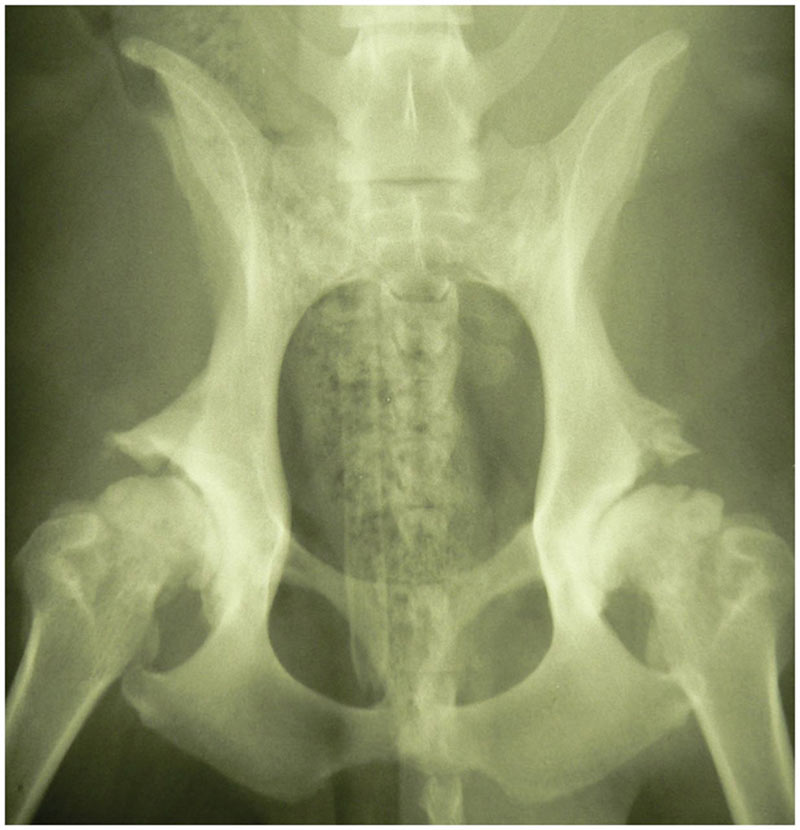
Arthritis Slowly Reduces Mobility
Osteoarthritis affects 12.4% of older dogs and often goes undetected. Look for stiffness after rest, reluctance to jump or climb stairs, and limping or altered gait. Pain isn’t always obvious. A dog may simply stop asking to go outside or avoid toys they once loved.
Cancer Becomes a Leading Killer
After age 10, cancer causes 18.2% of dog deaths. Common types include lymphoma, mast cell tumors, and osteosarcoma. Early signs include new lumps or bumps, weight loss, lethargy, and poor appetite. Monthly full-body checks, palpating from nose to tail, can catch tumors early.
Kidney Disease Progresses Silently
Chronic kidney disease develops gradually. Early detection through blood tests, especially SDMA, which flags issues up to 4 months before creatinine, can slow decline. Watch for increased thirst, frequent urination, and poor coat condition.
Dental Disease Affects Whole-Body Health
Over 80% of dogs over age 3 have periodontal disease. Left untreated, it spreads bacteria to the heart, liver, and kidneys. Signs include bad breath, dropping food, and red or bleeding gums. Annual dental cleanings under anesthesia are often necessary.
Other Key Conditions to Monitor
• Heart disease: chronic cough, fatigue, reduced stamina
• Diabetes: increased thirst, urination, appetite with weight loss
• Hypothyroidism: weight gain, hair loss, lethargy
• Urinary incontinence: dribbling urine, especially in spayed females
Never dismiss changes as just old age. Many conditions are manageable if caught early.
Prioritize Veterinary Screening for Senior Dogs
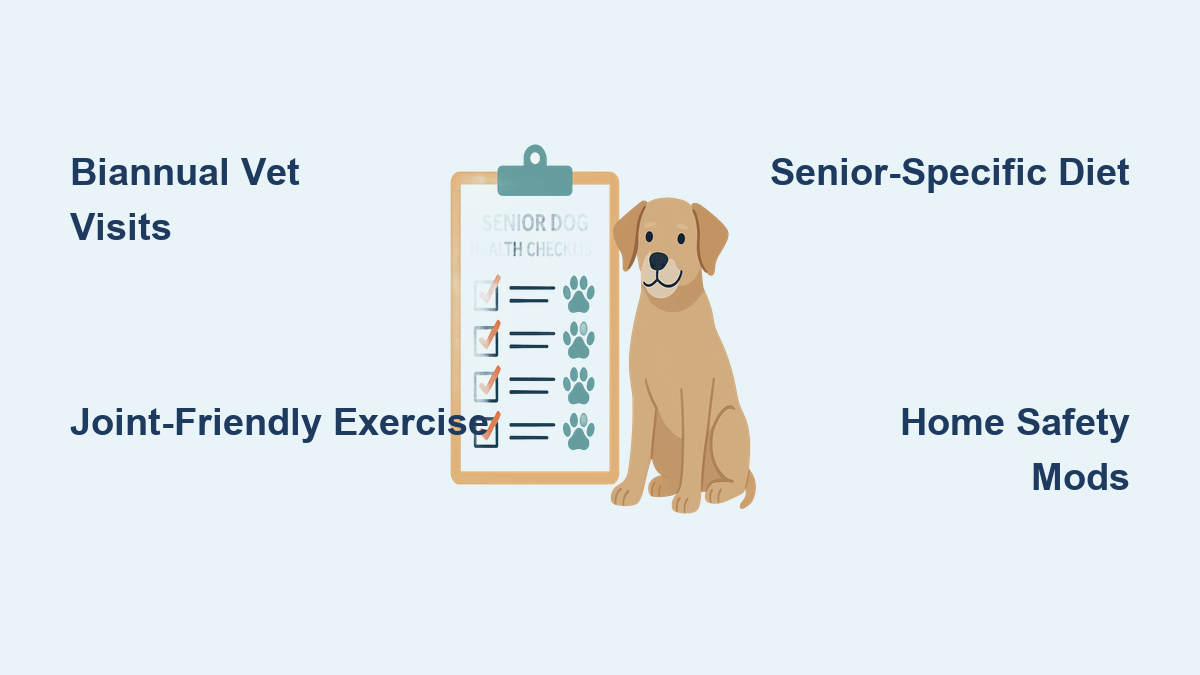
Schedule Biannual Checkups
Once your dog hits senior status, vet visits every 6 months are essential. Dogs age 5 to 7 years per human year, so six months is like over three human years. Silent diseases progress fast, and regular exams catch them early.
What Happens in a Senior Wellness Exam
Your vet will assess teeth and gums for decay or infection, eyes for cataracts or nuclear sclerosis, heart and lungs for murmurs or irregular rhythms, abdomen for organ enlargement or masses, joints for pain or stiffness, and skin and coat for lumps or lesions. Weight, temperature, and body condition score are tracked over time.
Essential Diagnostic Tests to Request
Annual or biannual screening should include a CBC and chemistry panel to check liver, kidneys, blood cells, and electrolytes. Urinalysis detects UTIs, kidney disease, and diabetes. Thyroid testing screens for hypothyroidism. Fecal exams rule out parasites. Blood pressure monitoring protects kidneys and eyes. X-rays or ultrasound evaluate heart, lungs, organs, and bones. An ECG or echocardiogram is recommended for dogs with heart murmurs or coughing.
Pro Tip: SDMA testing detects kidney issues earlier than standard blood work. Ask your vet to include it in your senior dog’s panel.
Optimize Senior Dog Nutrition

Choose the Right Senior Diet
As metabolism slows, senior dogs need fewer calories but more support. Look for foods labeled senior or mature that offer lower calories to prevent weight gain, higher fiber for digestion, glucosamine and chondroitin for joints, antioxidants like vitamins E and C plus omega-3s for brain and coat health, and controlled phosphorus and sodium for kidney and heart protection.
Avoid Obesity at All Costs
Excess weight worsens arthritis, heart disease, and diabetes. A dog at ideal weight may live up to two years longer. Check body condition at home by feeling for ribs that should be easily felt but not seen, looking for a visible waistline from above, and ensuring the abdomen tucks upward from the chest rather than sagging.
Special Dietary Needs by Condition
For kidney disease, low-protein and low-phosphorus diets are essential. Dogs with diabetes need consistent meals with controlled carbs and proper insulin timing. Dental pain requires soft or soaked kibble. Liver issues call for low-copper, high-antioxidant diets. Always transition food over 7 to 10 days to avoid digestive upset.
Feeding Best Practices
Feed 2 to 3 small meals daily to aid digestion. Ensure fresh water is always available. Monitor intake closely since sudden changes in eating or drinking can signal illness. In multi-pet homes, feed senior dogs separately to reduce stress and ensure they get their full portion.
Adjust Exercise for Aging Joints
Keep Movement Low-Impact
Exercise maintains muscle, joint health, and mental wellness, but intensity must drop. Ideal activities include short walks of 10 to 20 minutes, gentle play sessions, and swimming or hydrotherapy, which is excellent for arthritic dogs. Split activity into two shorter sessions to reduce fatigue.
Avoid High-Risk Activities
Skip forced running or jumping. Avoid slippery floors or steep stairs. Don’t let your senior dog chase squirrels or engage in other high-exertion triggers that could cause injury.
Try These At-Home Physical Therapy Routines
Cavaletti poles improve balance and limb strength. Set up broomsticks on blocks, 2 to 3 feet apart at elbow height, then guide your dog through with treats in zigzag patterns. Sit-to-stand reps build hind-end strength like human squats. Do 3 to 5 reps using treats to lure up and down. Walk backs enhance proprioception and core stability by luring your dog forward, then encouraging backward steps. Cookie turns improve spinal mobility and hip strength by having your dog lie down and follow a treat in a circle.
Start slow. Sudden activity after inactivity risks injury.
Consider Professional Rehabilitation
Veterinary rehab specialists offer water treadmills, laser therapy, acupuncture, therapeutic massage, and range-of-motion exercises. Many clinics also provide customized home exercise plans tailored to your dog’s specific needs.
Stimulate the Senior Mind
Fight Cognitive Decline
Cognitive Dysfunction Syndrome, sometimes called doggy dementia, affects many seniors. Signs include staring at walls or getting stuck, nighttime pacing or vocalizing, house soiling despite training, and ignoring family or commands. These symptoms aren’t normal aging; they’re treatable conditions worth discussing with your vet.
Use Brain-Boosting Diets and Supplements
Prescription diets like Hill’s b/d and Purina NeuroCare are rich in antioxidants, MCTs, and omega-3s. Supplements including Senilife, Neutricks, phosphatidylserine, and vitamin E can also support cognitive function. Selegiline, marketed as Anipryl, is a vet-prescribed medication that improves dopamine function.
Enrich Their Environment
Mental exercise is as vital as physical activity. Try novel walks by changing routes and allowing sniffing time. Use puzzle toys like treat-dispensing balls. Reinforce old commands or teach new tricks. Play scent games by hiding treats under cups or in grass. Play hide-and-seek with toys or family members.
Pro Tip: Sniffing is a dog’s primary way of experiencing the world. Let them lead the walk sometimes.
Maintain Grooming and Hygiene
Brush Regularly
Senior dogs struggle to self-groom. Brush 2 to 3 times per week to prevent painful mats, improve circulation, and detect lumps, sores, or skin changes early. Mats trap moisture and can lead to infections and pressure sores, especially under legs and the tail.
Trim Nails Every 4 to 6 Weeks
Long nails change posture, strain joints, and worsen arthritis. If you hear clicking on floors, the nails are too long.
Bathe Every 4 to 6 Weeks
Use gentle, moisturizing shampoos. Older skin dries easily, so avoid over-bathing, which strips natural oils.
Prioritize Dental Care
Brush teeth daily with dog-safe toothpaste. Use dental chews or water additives approved by your vet. Schedule professional cleanings as recommended. Warning: All new lumps should be vet-checked. Early biopsy improves treatment success.
Modify the Home for Safety and Comfort
Improve Mobility Throughout the House
Install ramps or steps for beds, couches, and cars. Use rugs, yoga mats, or runners on tile and hardwood to prevent slipping. Consider toe grips, which are nail caps that add traction. Use support harnesses like rear-lift harnesses to help dogs with weak hind legs.
Optimize Living Spaces
Raise food and water bowls to shoulder height to reduce neck strain. Provide orthopedic beds with memory foam in quiet, draft-free areas. Keep food, water, and bed on the main floor. Create multiple rest zones so your dog doesn’t overexert getting to one spot.
Adapt for Vision and Hearing Loss
Keep furniture in place for dogs losing vision, and use nightlights. For hearing loss, use hand signals and always approach from the front to avoid startling.
Stick to a Consistent Routine
Dogs with cognitive dysfunction or anxiety thrive on predictability. Keep feeding times, walks, and bedtime consistent. Minimize chaos and protect your senior dog from loud noises or overly energetic children.
Support Emotional Well-Being
Recognize Behavioral Changes
New irritability, withdrawal, or nighttime pacing may signal pain, cognitive decline, sensory loss, or anxiety. Don’t assume it’s just old age.
Boost Happiness Daily
Spend quiet time together through petting, grooming, or simply sitting. Maintain positive interactions even if activity levels are low. Consider calming aids like Adaptil diffusers, Thundershirt anxiety wraps, or white noise machines for sleep disruption. Talk to your vet about supplements or medications for anxiety or cognitive support.
Plan for End-of-Life Care
Assess Quality of Life
Use the HHHHHMM Scale to guide difficult decisions. Ask whether pain is controlled, if they can eat without assistance, whether they stay hydrated, if they can maintain hygiene, whether they still enjoy life, if they can move comfortably, and whether there are more good days than bad. When more days are hard than good, it may be time to discuss euthanasia.
Consider Palliative Care Options
Hospice at home focuses on comfort through pain medications like NSAIDs, gabapentin, or tramadol. Subcutaneous fluids help kidney patients. Soft bedding and easy outdoor access matter. Schedule regular vet check-ins to monitor quality.
Never give human painkillers like ibuprofen or acetaminophen. They are toxic to dogs.
Seek Support When Needed
Saying goodbye is hard. Many clinics offer pet loss counseling, support groups, and at-home euthanasia services. You don’t have to face this alone.
Prepare Financially and Practically
Invest in Pet Insurance Early
Most policies exclude pre-existing conditions, so enroll before seniorhood begins. Coverage can offset costs of chronic disease management, diagnostic imaging, and cancer treatments.
Learn Home Care Skills
With veterinary training, you can often administer subcutaneous fluids, give medications, monitor weight and water intake, and recognize emergency signs like trouble breathing or collapse. This reduces stress and costs while keeping your senior dog comfortable at home.
Key Takeaways for Caring for Your Senior Dog

Caring for a senior dog isn’t about fixing every problem. It’s about honoring their journey with compassion, vigilance, and consistency. Start by knowing your dog’s senior timeline based on their size, and schedule biannual vet visits for early detection of silent diseases. Maintain ideal weight through proper nutrition, as obesity shortens lives by up to two years. Keep exercise low-impact, and always prioritize mental stimulation through enrichment activities. Modify your home for safety with ramps, non-slip surfaces, and orthopedic bedding.
The key is watching closely, acting early, and never underestimating small changes. Your dog can’t tell you they’re in pain, but you can speak for them by noticing, responding, and choosing love every single day.
Frequently Asked Questions About Senior Dog Care
At what age is a dog considered a senior?
Dogs become seniors based on their size. Giant breeds like Great Danes are seniors at 5 to 6 years, large breeds like Labradors at 6 to 7 years, medium breeds at 7 to 9 years, and small or toy breeds at 7 to 10 years.
How often should I take my senior dog to the vet?
Senior dogs should see the vet every 6 months. This is equivalent to 3 to 4 human years passing between visits, allowing for early detection of diseases that progress silently.
What are signs my senior dog is in pain?
Signs include reluctance to jump or climb stairs, stiffness after resting, decreased interest in play, changes in appetite, and increased sleeping. Dogs often mask pain, so subtle behavioral changes warrant a vet visit.
Should I change my senior dog’s diet?
Yes. Senior dogs benefit from senior-specific formulas with lower calories, higher fiber, joint-supporting nutrients like glucosamine, and antioxidants. Always transition gradually over 7 to 10 days and consult your vet about specific health conditions.
How can I help my dog with arthritis at home?
Use ramps to reduce jumping, provide orthopedic beds, keep nails trimmed, add non-slip surfaces to floors, and maintain low-impact exercise like short walks or swimming. Discuss pain management options with your vet.
What is Cognitive Dysfunction Syndrome in dogs?
CDS, sometimes called doggy dementia, causes disorientation, nighttime restlessness, house soiling despite training, and reduced interest in family or activities. It’s treatable with medication, special diets, and environmental enrichment.